
Banking Services
Payments & Transfers
Settlement systems, payment networks and the messages that move money between banks.

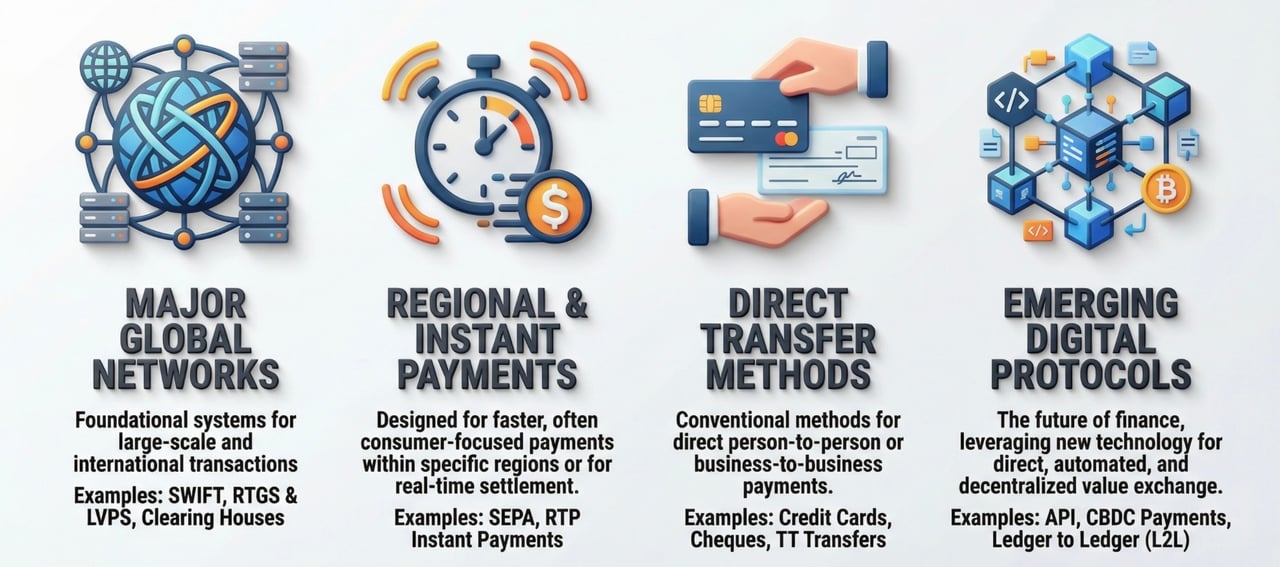
Transfer Limits
1. RTGS (T2 / Fedwire / CHAPS)
Purpose: High-value, time-critical payments
Settlement: Central bank money, real-time, final
- Maximum amount: No upper limit (theoretical ∞)
- Minimum amount: Often ≥ EUR 100,000 (policy, not system)
- Typical use: Interbank, M&A, treasury, margin
- Failure risk: Near zero
T2 has no cap. The only constraints are liquidity on the settlement account and bank credit policy.
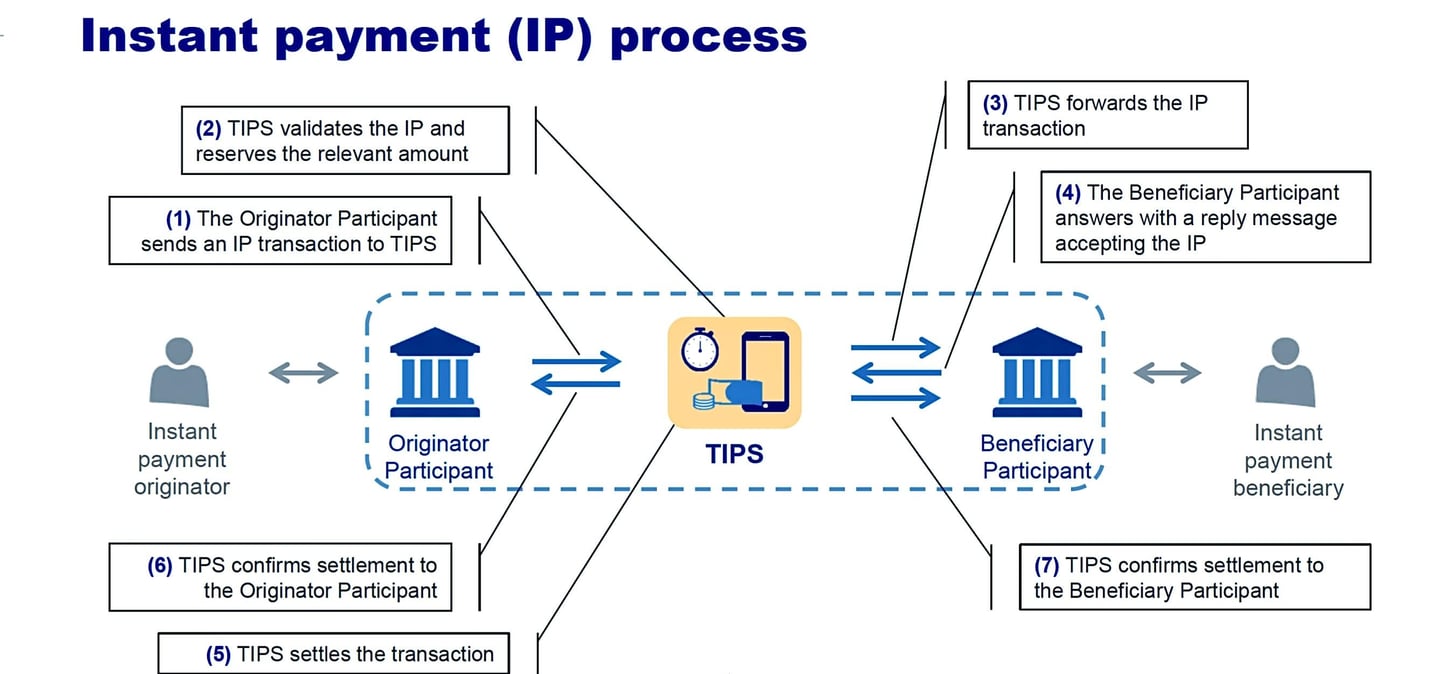
2. TIPS (TARGET Instant Payment Settlement)
Purpose: Pan-European instant retail payments
Settlement: Central bank money, 24/7
- Maximum amount: No scheme-wide cap since October 2025
- Minimum amount: EUR 0.01
- Speed: <10 seconds
- Failure risk: Low (liquidity dependent)
Until October 2025 the SCT Inst scheme capped payments at EUR 100,000; the cap has been removed, and banks set their own limits.
3. SWIFT (ISO 20022 pacs.008, cross-border)
Purpose: Global correspondent banking
Settlement: Commercial bank money
- Maximum amount: No (theoretical) system limit
- Bank caps: set individually by each bank
- Speed: Same day to several days
- Failure risk: Medium (correspondents, compliance)
SWIFT is messaging only, not settlement. Limits depend entirely on bank risk appetite and corridor.
4. SEPA Credit Transfer (SCT)
Purpose: Retail and corporate EUR payments
Settlement: Deferred net settlement
- Maximum amount: No scheme limit
- Bank caps: set individually by each bank
- Speed: Same day / next business day
- Failure risk: Low
SCT technically allows very large amounts. Banks often impose soft caps for AML reasons.
5. SEPA Instant Credit Transfer (SCT Inst / SEPA Instant)
Purpose: Instant EUR retail payments
Settlement: TIPS or equivalent CSM
- Maximum amount | None at scheme level since October 2025
- Minimum amount | EUR 0.01
- Speed | ≤10 seconds
- Failure risk | Low
The EPC removed the scheme maximum with the 2025 rulebook; many banks still apply lower internal limits.
6. RTP (US – The Clearing House Real-Time Payments)
Purpose: US instant payments
Settlement: Prefunded accounts
- Maximum amount | USD 10,000,000 (since February 2025)
- Minimum amount | USD 0.01
- Speed | Seconds
- Failure risk | Low
Network cap set by TCH. FedNow raised its network limit to USD 10 million in November 2025; banks may set lower limits.

You can receive currency transfers to Your accounts through:
SEPA-SCT, T2 (formerly TARGET2), TIPS, Fedwire, CHIPS, KTT (funds transfer through correspondent banks and pacs.009) and many Instant Payment Systems
deferred settlement systems through IFC, our group company, and our correspondent accounts
Securities through T2S, Clearstream, Euroclear, DTC
Settlements through RTGS, ACH/SEPA and
SWIFT pacs.008/pacs.009, Swiftnet Instant, SWIFT gpi UETR, FX4Cash
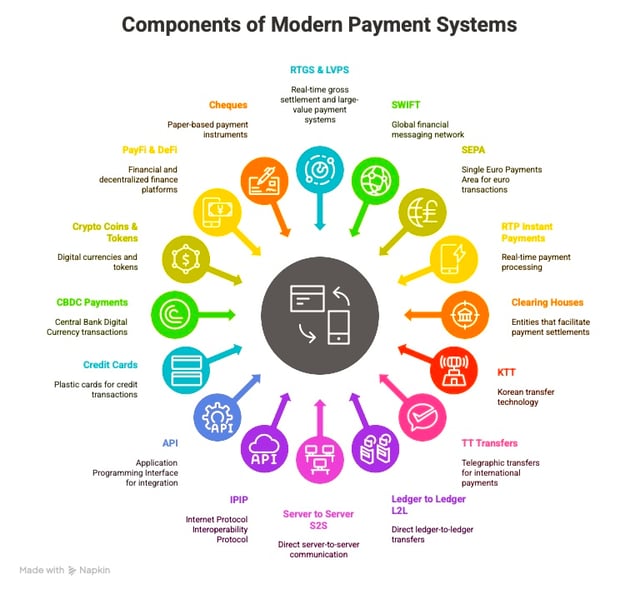

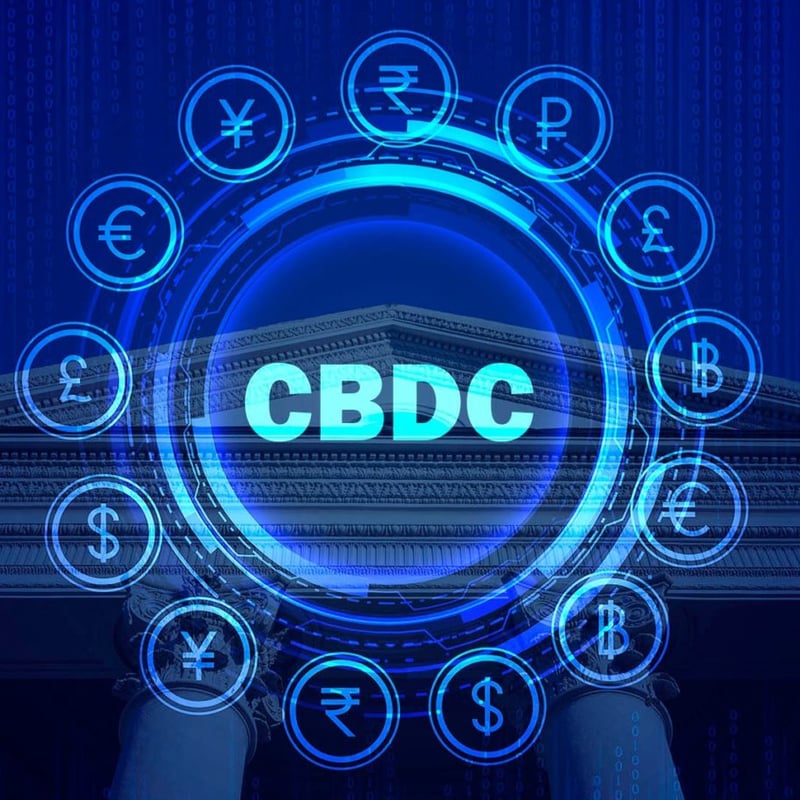






How do Banks transfer Funds?
- For a full view of Correspondent Banking Transfers please click here.
- For a full view of Instant Payment Systems please click here.
- For a full view of the RTGS System please click here.
Clearing Process
The clearing process is a crucial step in the settlement of financial transactions, ensuring that the parties involved in a transaction are protected and that the transaction proceeds smoothly. Clearing involves the following steps:
Exchange of transaction information:
- The sending and receiving banks exchange transaction details, such as the amount, account numbers, and other relevant information-
- Netting of transactions: Clearing houses, such as the Automated Clearing House (ACH) in the United States, facilitate the process by acting as intermediaries between banks. They calculate the net amount owed by one bank to another, minimizing the amounts that change hands on a given day.
- Validation: The clearing house validates the instructions and records the transaction details
- Exception handling: Rejected or disputed items are returned or investigated under the system’s rules
Settlement Process
The settlement process occurs after the clearing process and involves the actual transfer of funds between banks. The main steps in the settlement process are:
- Reconciliation of records: Banks reconcile their records to determine the net amount owed by one bank to another
- Transfer of funds: Banks transfer funds between accounts held at central banks or other financial institutions to settle any outstanding balances
- Settlement confirmation: The settlement bank provides settlement confirmation to the merchant when a transaction has cleared, and funds become available
Payment Network and Intermediaries
Payment networks and intermediaries play a vital role in facilitating the clearing and settlement processes. Some examples of payment networks and intermediaries include:
- Clearing houses: Independent organisations, such as the ACH in the United States, that facilitate the clearing process by acting as intermediaries between banks
- Central bank systems (RTGS): They settle payments between banks individually and with finality in central bank money
- Intermediary banks: These banks serve as middlemen between the issuing bank and the receiving bank, often in different countries, to facilitate international wire transfers
In summary, the clearing and settlement processes involve the exchange of transaction information, validation of funds, reconciliation of records, and the actual transfer of funds between banks. Payment networks and intermediaries, such as clearing houses, and intermediary banks or central banks, play a crucial role in facilitating these processes.
The clearing and settlement processes are subject to oversight by financial regulators. Regulators play an important role in ensuring that these processes are safe, sound, and efficient.
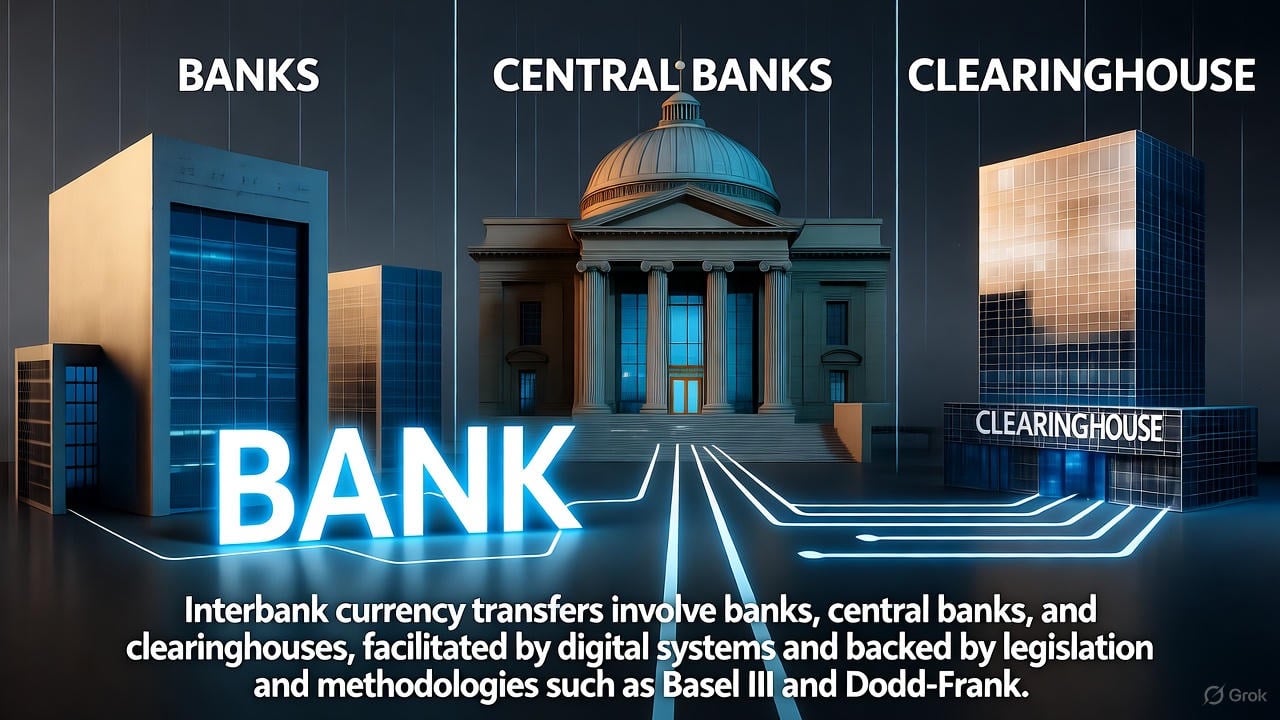
Interbank Currency Transfers
Banks create money primarily through the process of lending, where they issue credit (e.g., loans or mortgages) that becomes new deposits in the financial system. This is often described as creating money “out of thin air,” as it doesn’t require physical cash reserves but is based on accounting entries and trust in the banking system. When it comes to transferring currency between banks, such as through interbank payments or settlements, the acceptance of these transfers relies on a combination of trust, regulatory frameworks, and established systems rather than solely the quality of collateral or the “good name” of the sending bank. Here’s a detailed explanation of how this works:
1. Interbank Trust and Reputation
- Bank Reputation and Creditworthiness: While the “good name” of a bank plays a role, it’s not just about reputation in a colloquial sense. Banks operate within a highly regulated environment where their creditworthiness is monitored by regulators, central banks, and counterparties. A bank’s ability to participate in interbank transactions depends on its perceived stability, as assessed through capital ratios, stress tests, and compliance with regulations like Basel III.
- Risk Assessment: Receiving banks assess the risk of accepting transfers from other banks. This is often mitigated by standardized protocols and the involvement of trusted intermediaries (like central banks or clearinghouses). A bank with poor collateral or risky balance sheets may face higher scrutiny, higher costs (e.g., higher interest rates in interbank lending), or exclusion from certain transactions.
2. Central Bank Reserves and Settlement Systems
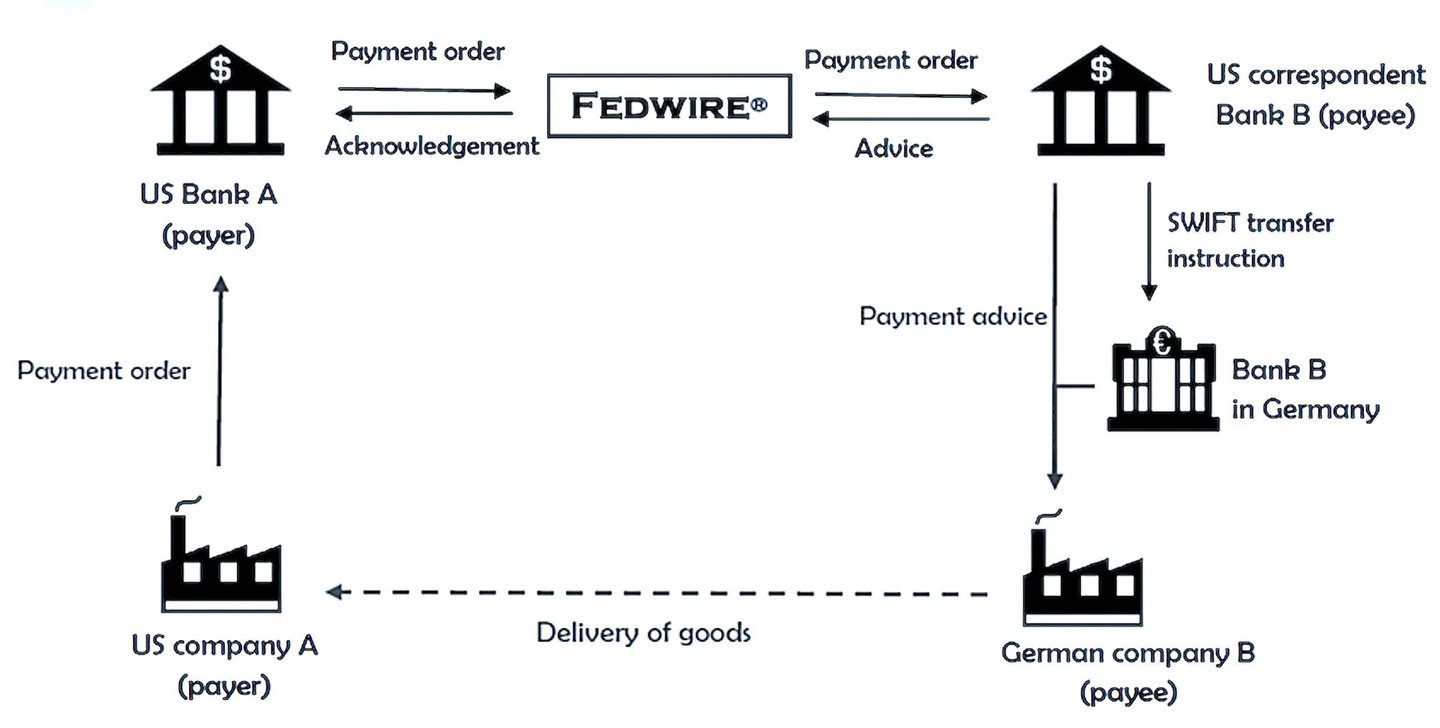
- Central Bank Reserves: Interbank transfers, especially large ones, are typically settled through accounts that banks hold at the central bank (e.g., the Federal Reserve in the U.S., or the Eurosystem’s T2 in the euro area). These reserves are considered “base money” and are the most secure form of money because they are direct liabilities of the central bank. When Bank A transfers money to Bank B, the transfer is often settled by moving reserves between their accounts at the central bank. This ensures the receiving bank accepts the transfer, as central bank reserves are risk-free and universally accepted.
- Real-Time Gross Settlement (RTGS): Many countries use RTGS systems (e.g., Fedwire in the U.S., T2 in the euro area) for large-value interbank transfers. These systems settle each payment immediately, finally and irrevocably – but only if the sending bank has the funds or collateralised intraday credit. Once settled, the payment cannot fail, whatever the sending bank’s later condition.
3. Clearinghouses and Netting
- Clearinghouses: For transactions that don’t settle directly through central bank reserves (e.g., smaller payments or batch transactions), clearinghouses like CHIPS (Clearing House Interbank Payments System) in the U.S. or EURO1 in the euro area facilitate the process; SWIFT carries the messages but does not clear or settle. Clearinghouses net out obligations between banks, reducing the actual amount of reserves that need to be transferred. They also impose strict membership criteria, ensuring only creditworthy banks participate.
- Collateral Requirements: In some cases, clearinghouses require banks to post collateral to mitigate risk. If a bank’s collateral is insufficient, it may be excluded from the clearing process or required to pre-fund transactions, which limits the risk for receiving banks.
4. Collateral and Interbank Lending
- Interbank Lending Markets: When banks lend to each other (e.g., in the overnight market or through repurchase agreements), collateral often plays a critical role. High-quality collateral, such as government bonds, is preferred because it reduces counterparty risk. If a bank’s collateral is weak, it may face higher borrowing costs or be unable to borrow at all. However, for standard payment transfers (not loans), collateral is less relevant because settlements occur through central bank reserves or clearing systems.
- Central Bank Backstops: If a bank’s collateral is insufficient or its creditworthiness is in question, central banks often act as a lender of last resort. For example, through discount window lending, a struggling bank can borrow reserves from the central bank by pledging collateral, ensuring it can meet its obligations to other banks.
5. Regulatory Oversight and Capital Requirements
- Regulatory Frameworks: Banks operate under strict regulations that require them to hold minimum levels of capital and liquidity (e.g., under Basel III). These regulations ensure that banks have enough resources to cover potential losses, reducing the risk that a bank’s obligations (including transfers) won’t be honored. If a bank’s collateral or financial health deteriorates significantly, regulators may intervene, limiting its ability to operate in interbank markets.
- Systemic Trust: The banking system is built on trust, but this trust is underpinned by legal and regulatory frameworks, not just the sending bank’s reputation. Central banks and regulators ensure that banks meet minimum standards, and deposit insurance schemes (e.g., FDIC in the U.S.) further reduce the risk of bank failures impacting the system.
6. What Happens When Collateral or Backing Is Weak?
- Limited Acceptance: If a bank’s collateral is poor or its financial health is questionable, other banks may refuse to engage in certain transactions (e.g., unsecured lending) or demand higher-quality collateral. In extreme cases, a bank may be cut off from interbank markets, as seen during the 2008 financial crisis with institutions like Lehman Brothers.
- Central Bank Intervention: Central banks can step in to provide liquidity or facilitate settlements, ensuring the system remains stable. For example, during crises, central banks may expand their balance sheets by accepting lower-quality collateral or providing emergency funding.
- Market Discipline: Banks with weak collateral or poor financial health face higher borrowing costs or exclusion from interbank markets, incentivizing them to maintain sound financial practices.
7. International Transfers and SWIFT
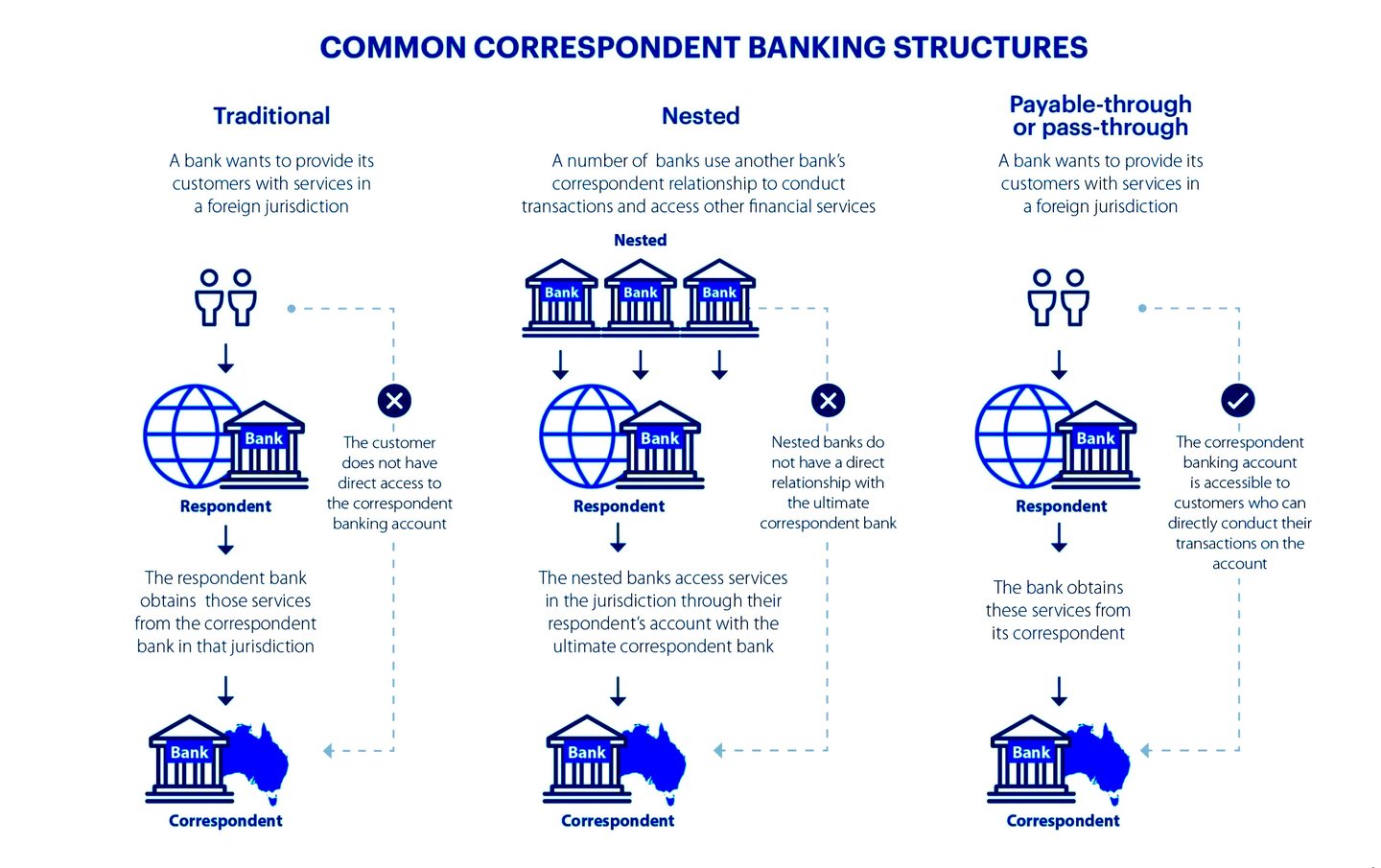
- For international transfers, the SWIFT system facilitates communication between banks, but the actual settlement often occurs through correspondent banking relationships or central bank systems. Correspondent banks act as intermediaries, holding accounts for foreign banks to facilitate cross-border payments. These relationships are built on trust and due diligence, but central banks and international standards (e.g., FATF regulations) ensure that transfers are secure and compliant.
- If a sending bank’s financial health is in question, correspondent banks may require pre-funding or additional assurances before accepting transfers.
Why Do Banks Accept Transfers?
Ultimately, banks accept transfers from other banks because:
- Central Bank Guarantees: Settlements through central bank reserves are risk-free.
- Regulatory Oversight: Strict regulations and capital requirements reduce the likelihood of default.
- Clearinghouse Mechanisms: Netting and collateral requirements minimize risk in interbank transactions.
- Systemic Stability: Central banks act as backstops to prevent systemic failures, ensuring confidence in the system.
Even if a bank’s collateral is weak or its money creation is based on minimal reserves, the receiving bank is protected by the broader infrastructure of central banks, clearinghouses, and regulations. The “good name” of the sending bank matters less than the systemic trust and mechanisms that underpin the modern banking system.
8. Methodologies and Legislation
This section examines the methodologies (operational processes and risk mitigation techniques) and legislation (key laws and regulatory frameworks) that underpin the system. These elements create a strong, layered infrastructure that transforms raw trust into enforceable, low-risk transactions. While credit creation itself (via fractional reserve lending) is governed by reserve requirements and capital rules, the acceptance of transfers relies on settlement mechanics that prioritize finality and systemic safeguards over individual bank strength.
This system evolved significantly post-2008 financial crisis, with methodologies emphasizing real-time processing and netting, and legislation focusing on capital resilience and affiliate protections. Even when a sending bank’s collateral is subpar (e.g., low-quality assets) or its created credit lacks tangible backing, receiving banks accept transfers because the process is backed by central bank money, multilateral guarantees, and legal mandates that distribute risk across the ecosystem.
8.1. Core Methodologies for Interbank Settlement and Risk Mitigation
Interbank transfers aren’t direct peer-to-peer swaps; they use standardized, technology-driven methodologies to ensure atomicity (all-or-nothing execution), finality (irrevocable once settled), and minimal exposure. These reduce reliance on the sending bank’s standalone creditworthiness by shifting settlement to high-quality central bank liabilities or netted positions.
Real-Time Gross Settlement (RTGS) Systems:
- Process: In RTGS, each transaction is settled individually and immediately using central bank reserves, without netting. For example, in the U.S. Fedwire Funds Service (operated by the Federal Reserve), a sending bank debits its reserve account, and the receiving bank credits theirs in real-time: typically within seconds. This uses “high-powered money” (central bank reserves), which is immune to counterparty risk because it’s a direct claim on the sovereign.
- Collateral Integration: If a bank lacks sufficient reserves, it can pledge collateral to the central bank via intraday credit (overdrafts against eligible securities like Treasuries). Collateral is valued with “haircuts” (discounts for risk) set by the central bank, and revalued regularly.
- Risk Mitigation: No netting means no accumulation of obligations; if the sending bank fails mid-day, the central bank is protected by the collateral pledged for intraday credit. This ensures acceptance even for banks with weak private collateral, as the transfer is “pre-funded” by reserves.
- Global Variants: T2 (euro area) and CHAPS (UK) follow similar principles, using ISO 20022 messaging for richer payment data.
Netting and Multilateral Clearing via Deferred Net Settlement (DNS) Systems:
- Process: In systems like CHIPS (Clearing House Interbank Payments System) for USD or Euro1 for euros, transactions are batched and netted multilaterally throughout the day. Gross inflows/outflows are offset (e.g., Bank A owes $100M to Bank B but receives $80M back, netting to $20M), greatly reducing the liquidity needed. CHIPS works with prefunded balances and settles continuously during the day, with end-of-day funding through Fedwire; EURO1 settles in T2.
- Collateral Management Methodology: Participants post collateral (cash or securities) into a shared pool, managed via triparty custodians (e.g., BNY). Optimisation tools allocate collateral efficiently, minimising idle assets. If a bank’s position exceeds its cap, it faces liquidity penalties or exclusion. SWIFT’s Collateral Management messages (MT5xx series, migrating to ISO 20022) automate instructions for posting, valuation, and substitution.
- Handling Weak Collateral: Netting dilutes individual risk; a bank’s poor assets don’t directly impact others. Systems such as EURO1 maintain a collateralised liquidity pool, so that settlement completes even if a participant defaults; central counterparties for securities and derivatives use default funds and loss-sharing waterfalls.
Cross-Border Messaging and Settlement (SWIFT and Correspondent Banking):
- Process: SWIFT isn’t a settlement system but a secure messaging network (over 11,000 institutions) for payment instructions. A transfer starts with a pacs.008 message (ISO 20022, formerly MT103), routed via correspondent banks (e.g., Citibank holding nostro accounts for foreign banks). Actual settlement uses RTGS/DNS links.
- Collateral and Risk Controls: For FX-linked transfers, CLS (Continuous Linked Settlement) nets FX legs atomically, reducing Herstatt risk (time-zone settlement gaps). Collateral is managed via daily mark-to-market and variation margin, with initial margin for uncleared derivatives under EMIR and Dodd-Frank rules.
- Acceptance Mechanism: Correspondents perform KYC/AML checks and set exposure limits based on credit lines, backed by bilateral Credit Support Annexes (CSAs) that govern collateral delivery.
Intraday Liquidity and Stress Methodologies:
- Banks use “liquidity recycling” (reusing settled funds intraday) and stress testing (e.g., Value-at-Risk or VaR models simulating 99% confidence scenarios) to forecast needs. Central banks provide intraday credit against collateral and overnight lending facilities, such as the Federal Reserve’s discount window (primary credit, priced at the top of the federal funds target range).
These methodologies ensure transfers are accepted because they’re not “trust-based” bets on the sender but engineered paths through risk-neutral channels. Weak collateral triggers automated safeguards, not rejection.
8.2. Key Legislation Governing Acceptance, Collateral, and Systemic Trust
Legislation codifies these methodologies, mandating minimum standards for capital, liquidity, and disclosures to build resilience. It shifts risk from individual banks to regulated entities (central banks, clearinghouses), making acceptance obligatory within compliant networks. Post-2008 reforms like Basel III and Dodd-Frank explicitly addressed “too-big-to-fail” dynamics, where poor collateral could cascade failures.
Basel III Framework (International, Implemented Domestically):
- Core Provisions: Developed by the Basel Committee on Banking Supervision (BCBS), it requires banks to hold at least 4.5% Common Equity Tier 1 (up from 2% core Tier 1 under Basel II), 6% Tier 1 and 8% total capital, plus a 2.5% conservation buffer, a countercyclical buffer of up to 2.5% and surcharges for systemically important banks. Liquidity rules include the Liquidity Coverage Ratio (LCR: 100% high-quality liquid assets for 30-day stress) and Net Stable Funding Ratio (NSFR: 100% stable funding for long-term assets).
- Impact on Transfers and Collateral: Enhances trust by ensuring banks can absorb losses from weak credits without failing, reducing contagion in interbank markets. High-quality liquid assets must meet eligibility criteria (Level 1: cash, central bank reserves and 0%-risk-weighted sovereigns, no haircut; Level 2A: 15% haircut; Level 2B: 25–50% haircut). U.S. implementation via Dodd-Frank’s Enhanced Prudential Standards applies to foreign banks too.
- Leverage: A minimum leverage ratio of 3% (higher for global systemically important banks) limits balance-sheet expansion regardless of risk weights.
Dodd-Frank Wall Street Reform and Consumer Protection Act (2010, U.S.):
- Core Provisions: Title I creates the Financial Stability Oversight Council (FSOC) for systemic risk monitoring; Title II enables orderly liquidation of failing banks. It mandates stress tests and resolution plans (“living wills”) for large banks; the original USD 50 billion threshold was raised to USD 250 billion in 2018, with Federal Reserve discretion from USD 100 billion.
- Impact on Interbank Trust: Requires central clearing for derivatives (reducing bilateral collateral disputes) and the Volcker Rule (limits proprietary trading to curb risky asset accumulation). For transfers, it strengthens Fed oversight of payment systems, ensuring RTGS/CHIPS compliance. Affiliate transaction limits (via Regulation W) prevent risk leakage: covered transactions with a single affiliate are capped at 10% of capital (20% for all affiliates) and credit must be collateralised.
- Collateral Specifics: Extends Sections 23A/23B of the Federal Reserve Act (in force since 1933) to derivatives and securities lending with affiliates. Credit to affiliates must be collateralised at 100% (government securities) to 130% (equities and other assets). This protects against “backdoor” transfers of weak credits.
- Broader Effects: Boosted financial stability but raised compliance costs for smaller banks; critics note it didn’t fully prevent 2023 regional bank runs (e.g., SVB), prompting reviews of supervision, liquidity rules and resolution planning.
Regulation W (12 CFR Part 223, Implementing Federal Reserve Act Sections 23A/23B):
- Details: Limits extensions of credit to affiliates (e.g., 10% quantitative cap, 20% aggregate) and mandates collateral for loans (e.g., 100% for obligations, 130% for stocks). Exemptions for low-risk transactions but with arm’s-length terms.
- Role in Acceptance: Ensures interbank transfers aren’t undermined by affiliate abuse; violations trigger penalties, maintaining network integrity.
Other Foundational Laws:
- Federal Reserve Act (1913): Section 16 requires collateral for the issuance of Federal Reserve notes; Sections 10B and 13 govern collateralised advances to banks.
- FDIC Improvement Act (1991): Prompt Corrective Action (PCA) thresholds force intervention at 2% capital, preventing weak banks from overextending transfers.
- European Equivalents: The Capital Requirements Regulation (CRR) implements Basel III; the Settlement Finality Directive (98/26/EC) protects the finality of payments in designated systems such as T2.
8.3. How Legislation and Methodologies Interact to Ensure Acceptance Despite Weak Backing
- Layered Safeguards: Capital and liquidity rules limit how much a bank can rely on weak assets; payment systems settle in central bank money or against collateral; and central banks stand behind the system as lender of last resort.
- Enforcement and Penalties: Non-compliance leads to civil money penalties, restrictions or loss of access to payment systems.
- Crisis Lessons: In 2023’s banking turmoil, Fed’s Bank Term Funding Program (BTFP) accepted 1:1 par value for held-to-maturity securities, bypassing haircuts: showing legislation’s flexibility via emergency powers.
- Challenges and Evolutions: ISO 20022 adoption (Fedwire Funds Service since July 2025, cross-border Swift payments since November 2025) improves data quality, but geopolitical risks (e.g., SWIFT exclusions) highlight vulnerabilities.
This framework makes the system resilient: credit created “out of thin air” is accepted not on faith alone, but through legislated rigor and methodological precision.
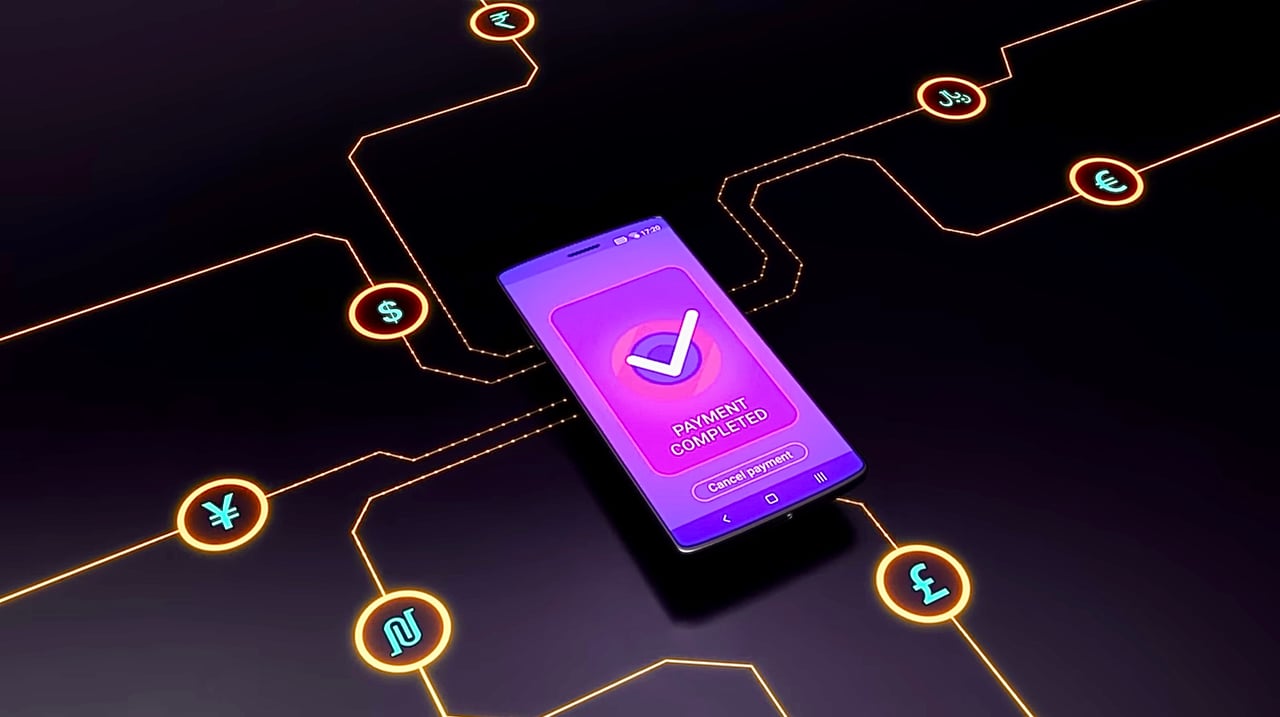
Understanding Currency Transfer Constraints
In the world of high-value financial transactions, different systems are in place to facilitate the smooth transfer of money between banks and institutions. Each system operates with its own set of rules, limits, and complexities, designed to handle various types of transactions: ranging from local, high-speed payments to cross-border transfers requiring rigorous compliance checks. In this article, we explore how large-scale money transfers are managed in four major systems: RTGS, SWIFT, SEPA, and RTP.
RTGS: No Limits, High-Speed Transfers
Real-Time Gross Settlement (RTGS) systems are designed specifically for high-value transfers, with no official upper limit on the amount that can be transferred. This system is used globally, often managed by central banks like the Federal Reserve in the U.S. (Fedwire) or the Bank of England (CHAPS).
RTGS operates in real-time, meaning transactions are settled individually as they occur, and there’s no batching of payments. The “gross” nature means each transaction is settled on its own, without netting it against other payments. This ensures that funds are moved immediately, and once a transaction is completed, it is final and irrevocable.
Due to its real-time and high-value focus, RTGS is ideal for transactions involving billions of dollars or euros. Large interbank transfers, corporate payments, or securities transactions often rely on RTGS because of the speed and certainty it offers.
SWIFT: Practical Limits Set by Banks
The SWIFT (Society for Worldwide Interbank Financial Telecommunication) network is the backbone of international banking communication, facilitating cross-border payments between financial institutions. While SWIFT itself doesn’t impose a fixed transaction limit, practical limits often come into play, particularly for large transfers.
For very large transactions, banks apply heightened scrutiny because of risk, compliance and liquidity management. Banks may limit such transactions or require additional time for approval, especially for international payments involving multiple intermediary banks, which can increase the complexity of the process.
The need for multiple checks to prevent money laundering, ensure regulatory compliance, and mitigate credit risk can make very large transfers more cumbersome through correspondent chains. These practical limitations are imposed by individual financial institutions rather than by SWIFT itself.
SEPA: Varying Limits, Especially for Instant Transfers
The Single Euro Payments Area (SEPA) facilitates euro-denominated payments across more than 36 countries in Europe. SEPA operates through two main types of transactions: SEPA Credit Transfer (SCT) and SEPA Instant Credit Transfer (SCT Inst).
- SEPA Credit Transfer (SCT): Typically has no formal limit, meaning large euro-denominated payments can be transferred within SEPA-participating countries without issue. However, individual banks may set their own limits based on internal policies.
- SEPA Instant Credit Transfer (SCT Inst): Initially capped at €15,000, then at €100,000, the scheme has had no maximum amount since October 2025. Financial institutions may impose their own limits, and payers can set individual limits under the Instant Payments Regulation.
SEPA is widely used for cross-border payments within Europe, and SCT Inst has become the standard for real-time euro transfers.
RTP: Limits in the U.S. and Europe
Real-Time Payments (RTP) systems have become increasingly popular for their ability to move funds instantly, providing users with immediate access to the transferred money. These systems are now operational in the U.S. and parts of Europe, but they come with defined transfer limits.
- United States RTP: The U.S. RTP network, operated by The Clearing House, allows for instant settlement of payments with a maximum transfer limit of $10 million per transaction since February 2025. This system is commonly used for business-to-business (B2B) payments, payroll, and consumer transactions, though the limit may vary depending on the participating bank’s internal policies.
- Europe’s RTP Systems: In Europe, the real-time payment environment includes services like SEPA Instant Credit Transfer (as discussed above), which no longer sets a scheme-wide maximum. In addition to SEPA Inst, individual countries like the UK (with its Faster Payments system) also have RTP frameworks in place, though they may impose their own limits: typically ranging from £250,000 to £1 million for faster payments.
Flexibility vs. Practical Constraints
While RTGS systems are designed to transfer billions without any official upper limit, correspondent and SEPA payments face practical constraints for very large amounts. This is often due to compliance, liquidity, and risk management requirements rather than any systemic limitations. Meanwhile, RTPsystems in the U.S. and Europe provide real-time payment capabilities with relatively high but clearly defined limits, such as $10 million for RTP and FedNow in the U.S.
Each payment system serves different needs, with RTGS excelling in high-value, real-time transactions, while SWIFT and SEPA balance large-scale transfers with regulatory and liquidity concerns. Understanding the practical limits of these systems is essential for institutions and businesses engaging in large-scale financial transactions.

IPIDs International Payment Identifications
There are several systems and identifiers used for international payment identification, ensuring transparency, traceability, and compliance in cross-border transactions. Below are the key identifiers used in global payments:
1. Unique End-to-End Transaction Reference (UETR) – SWIFT gpi
- Used in SWIFT gpi (Global Payments Innovation) payments.
- A 36-character globally unique reference that tracks payments in real time.
- Allows banks and businesses to monitor the status of an international payment across multiple financial institutions.
2. SWIFT Message Reference (SWIFT MT/MX)
- Every Swift payment message (pacs.008, pacs.009, formerly MT 103 and MT 202) carries the sender’s unique reference.
- This helps banks and regulators trace payments across the SWIFT network.
3. IBAN (International Bank Account Number)
- Standardized bank account format used in many countries, especially in SEPA (Single Euro Payments Area) transactions.
- Ensures accuracy in cross-border payments.
4. BIC/SWIFT Code (Bank Identifier Code)
- Identifies a specific bank in international transactions.
- Used for routing payments correctly across financial institutions.
5. Payment Order ID / Transaction Reference Number
- Most banks generate a unique transaction reference number (TRN) for each international payment.
- This helps customers track the status of their transfer.
6. ISO 20022 Message ID
- In ISO 20022-based payment systems, such as SEPA, FedNow and T2, each transaction has a Message Identification (MsgID) for tracking.
- Becoming the standard for modern payment messaging globally.
7. Central Bank Payment Identifiers
- Some countries issue specific identifiers for international transactions, such as:
- FedWire IMAD/OMAD in the U.S.
- CHAPS UID in the UK.
- Reference numbers in RTGS systems of various countries.
8. Crypto and Blockchain Transaction Hashes
- For international payments made via crypto or stablecoins, a transaction hash (TXID) is used to track the transfer on a blockchain ledger.
Is There a Universal Global Payment ID?
While there is no single universal international payment ID, the UETR (SWIFT gpi) and ISO 20022 identifiers are the closest to a standardized global tracking system.
What can be transferred from Bank to Bank?
Bank Assets:
- Cash & Cash Equivalents: These are funds that can be accessed immediately or almost immediately. They include physical cash, deposits with other banks, and highly liquid securities like Treasury bills.
- Investments/Securities: These are financial instruments that the bank invests in to earn a return, such as government and corporate bonds, stocks, and other securities.
- Loans and Advances: These are the funds that a bank lends to its customers, and they generate interest income. They can include personal loans, mortgages, commercial loans, credit card balances, and overdrafts.
- Fixed Assets: These are physical properties owned by the bank, such as buildings, land, equipment, and furniture.
- Intangible Assets: These include non-physical assets like software, patents, trademarks, and goodwill.
- Other Assets: These can include accrued interest receivable, deferred tax assets, and derivative financial instruments among others.
Bank Liabilities:
- Deposits: These are funds that individuals and businesses keep in the bank. They include checking accounts, savings accounts, and time deposits. They are liabilities because the bank has an obligation to return these funds to the depositors on demand or at a specific maturity date.
- Borrowed Funds: These are funds that the bank borrows from other financial institutions, the central bank, or through issuing debt securities.
- Debt Securities: These are bonds or other forms of debt issued by the bank to raise funds. The bank is obligated to pay back the principal and interest to the bondholders.
- Other Liabilities: These include items like accrued expenses, accounts payable, deferred tax liabilities, provisions for loan losses, and derivative financial instruments.
- Subordinated Liabilities: These are debts that will only be paid after all other debts if the bank goes bankrupt.
Bank Equity:
- Common Stock: This is the equity that owners of the bank hold. They have voting rights and may receive dividends.
- Preferred Stock: This type of equity has a higher claim on earnings and assets than common stock but usually doesn’t come with voting rights.
- Retained Earnings: These are the net earnings a bank has accumulated over the years and chosen to reinvest in the business rather than distribute as dividends.
- Treasury Stock: These are the bank’s own shares that it has repurchased from the market.
- Other Comprehensive Income: Gains and losses not yet recognised in profit or loss, such as certain revaluations of investments and hedging instruments.
- Non-controlling Interest (minority interest): This is the part of the net assets of a subsidiary attributable to equity interests that are not owned, directly or indirectly through subsidiaries, by the parent.



Next step
Request an introduction
Tell us in a few lines who you are and what you have in mind. Your enquiry goes directly to the bank and is treated in confidence.
Prefer to talk? Book a 30-minute videoconference.