
Mastering Offshore Legacy -
The IFB & IFC-capitals Wealth Axis
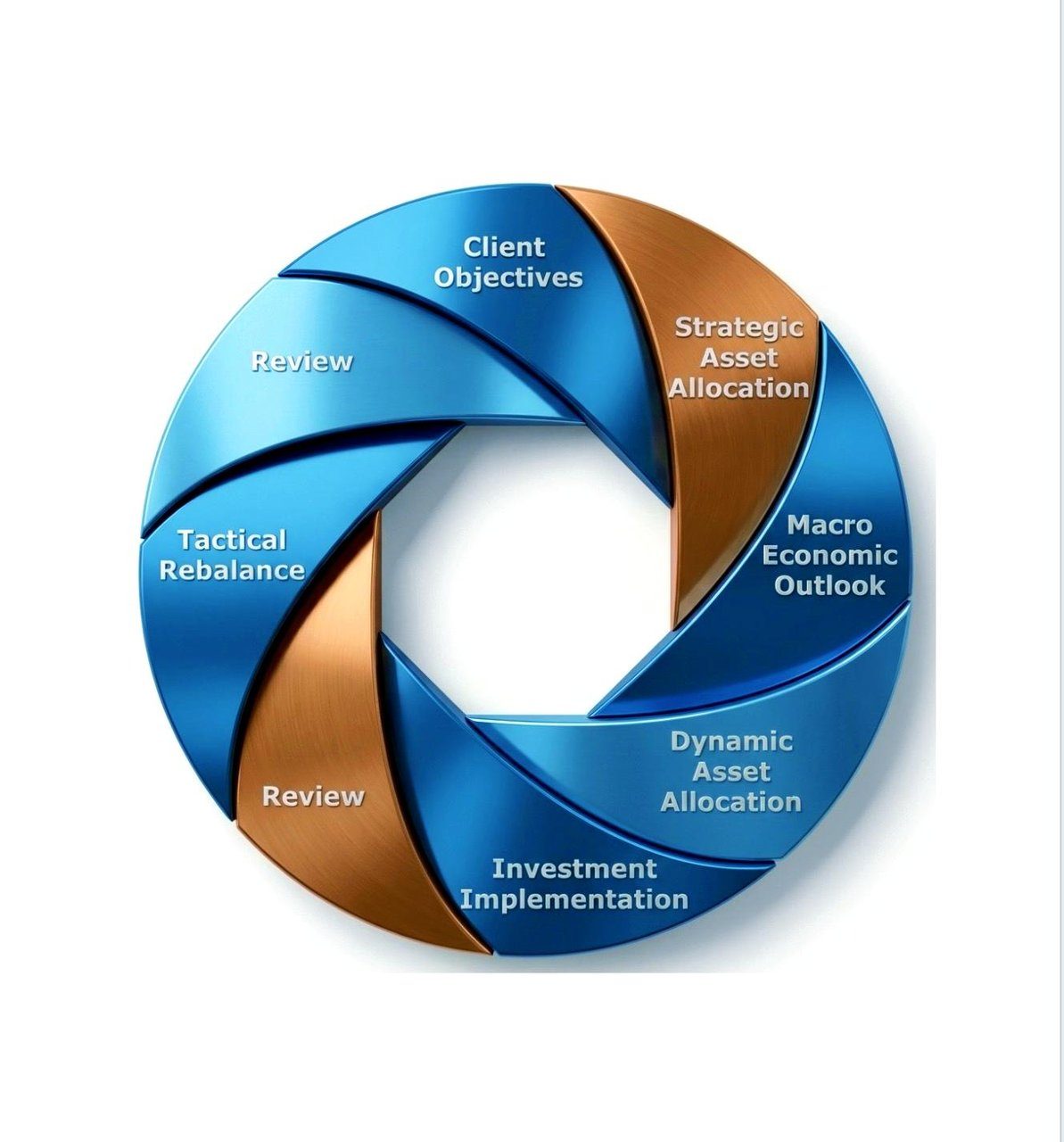
Our Wealth Management Services
Wealth management refers to a suite of financial services and products that cater to high-net-worth individuals (HNWIs), affluent clients, and families.
These services aim to help clients grow, preserve, and manage their wealth more effectively. Some of the key banking products and services for wealth management include:
- Investment management: This service involves the professional management of a client’s investment portfolio, which may include stocks, bonds, mutual funds, exchange-traded funds (ETFs), and other assets. Investment managers work to optimize the portfolio’s risk-adjusted returns based on the client’s financial goals, risk tolerance, and time horizon (for agreement see here).
- Financial planning: Wealth managers help clients develop a full financial plan, taking into account factors such as income, expenses, investments, tax strategies, and retirement goals. This helps clients make informed decisions about their wealth and achieve their financial objectives.
- Private banking: Private banking services cater to high-net-worth clients and offer personalized financial solutions, such as customized credit products, tailored investment advice, and exclusive banking services.
- Trust and estate planning: Wealth management professionals help clients create and manage trusts, wills, and estate plans to ensure that their wealth is transferred and preserved according to their wishes, while minimizing tax liabilities and potential legal issues.
- Tax planning and advisory: This service involves developing tax-efficient strategies for clients, including minimizing tax liabilities, identifying tax-saving opportunities, and ensuring compliance with tax regulations.
- Risk management and insurance: Wealth managers help clients assess and manage various risks associated with their financial assets, as well as providing advice on suitable insurance products to protect their wealth, such as life insurance, long-term care insurance, and property and casualty insurance.
- Retirement planning: This involves developing a full strategy to help clients achieve their desired retirement lifestyle, taking into account factors such as projected retirement income, expenses, and potential health care costs.
- Philanthropic advisory: Wealth managers assist clients in developing and implementing philanthropic strategies, including setting up charitable trusts, foundations, or donor-advised funds to support causes that align with their values and objectives.
- Family office services: Some banks offer specialized family office services to manage the wealth of ultra-high-net-worth families, providing a wide range of financial, legal, tax, and administrative services, as well as coordinating with other external advisors.
- Alternative investments: In addition to traditional investment products, wealth management clients may have access to alternative investment opportunities, such as hedge funds, private equity, venture capital, real estate, and commodities.

Secure intergenerational Wealth Management
Are you looking to secure your financial future and grow your wealth? Our bank’s wealth management services can help you do just that.
With a team of experienced financial advisors at your disposal, you can receive personalized investment strategies tailored to your unique financial goals. Whether you’re looking to save for retirement, fund your child’s education, or simply grow your wealth over time, our team can help you create a plan to achieve your financial dreams.
Our wealth management services include a range of investment options, including stocks, bonds, mutual funds, and more. We also offer financial planning services to help you master the complexities of taxes, estate planning, and other financial considerations.
Our advisors are here to provide you with expert guidance and support every step of the way. So why wait? Take control of your financial future today and sign up for our wealth management services.

Download our presentation
Offshore Wealth Management – The Definitive Guide (2025 Edition)
An Expanded Compendium for Ultra‑High‑Net‑Worth Families, Single‑ & Multi‑Family Offices, and Cross‑Border Corporates
1. Prelude: A New Epoch of Capital Mobility
Amid an era marked by de‑globalisation rhetoric yet unprecedented digital interconnectedness, visionary wealth holders recognise that sovereignty diversification is no longer optional but axiomatic. With over USD 14.3 trillion now circulating in cross‑border holdings and a forecast 5.7 % CAGR in UHNW wealth through 2030, the modern offshore paradigm has shifted from clandestine opacity to impeccably compliant optimisation. Our vantage point in Anjouan, Union of the Comoros, sits at the crossroads of Old‑World trust jurisprudence and nimble FinTech enablement: a locale where agility meets strong legal underpinnings.
1a. Global Macro & Wealth Migration Drivers
- Geopolitical Volatility – 27 nation‑states faced sovereign credit downgrades in 2024 alone, prompting asset flight.
- Fiscal Drag – OECD average top‑bracket tax now exceeds 45 %, eroding compounding for active wealth generators.
- Currency Debasement – G4 central‑bank balance sheets have expanded 32 % since the pandemic, necessitating FX hedges.
- Digital Nomadism – 60+ jurisdictions now offer ‘tax‑light’ mobility visas, catalysing domicile flexibility.
- Regulatory Sophistication – CRS 2.0 and Pillar‑Two global minimum tax reward structures demonstrating genuine substance.
2. Defining Offshore, Mid‑Shore and Dual‑Domicile Wealth Management
- Offshore: Incorporation and asset custody in zero‑ or low‑tax jurisdictions, typically outside the client’s residence.
- Mid‑Shore: Hybrid domiciles (e.g., Ireland, Malta) offering EU passporting with moderated tax benefits.
- Dual‑Domicile: Strategic pairing of an onshore corporate headquarters with an offshore treasury or SPV, optimising both regulatory perception and fiscal efficiency.
3. Strategic Advantages for UHNW Families & Corporates
- Institutional‑grade Asset Protection – firewall statutes, fraudulent‑transfer windows as short as two years.
- Multi‑Currency Liquidity – instantaneous FX settlement in 26 major pairs, critical for global M&A activity.
- Premium Private‑Banking Privileges – bespoke credit lines against diversified collateral, jet‑card integrations.
- Deal Flow Access – early ingress to PE secondaries, venture co‑investments, and private credit: often under NA‑coded ISINs.
- Inter‑Generational Succession – dynastic trusts spanning 150+ years, pre‑nups integrated at trust deed level.
- Regulatory Arbitrage – ability to exploit IP‑box regimes, tonnage tax, or captive insurance cell frameworks.
4. Legal, Regulatory & Tax Foundations in Detail
Compliance is the sine qua non of contemporary offshore structuring. Below, we dissect principal statutes and their practical repercussions.
- OECD Common Reporting Standard (CRS) 2.0 – effective for 121 jurisdictions; expanded digital‑asset reporting beginning January 2026.
- US FATCA – remains extraterritorially potent; meticulous W‑9/W‑8BEN handling mandatory for US nexus beneficiaries.
- BEPS 2.0 Pillar‑Two – 15 % global minimum on in‑scope corporates; mitigated via substance carve‑outs and QDMTT credits.
- Controlled Foreign Corporation (CFC) Rules – elevated vigilance in UK, Australia, South Africa; legitimate deferral strategies persist.
- Economic Substance Regulations – Cayman, BVI, and now Anjouan mandate demonstrable mind‑and‑management presence.
5. Choosing the Right Jurisdiction – Quantitative & Qualitative Factors
Selection transcends tax: reputational risk, service‑provider ecosystem depth, bilateral treaty networks, aviation connectivity and even time‑zone arbitrage (critical for traders) are all germane.
| Jurisdiction | Capital-gains tax | Trust law depth | Treaty network | Flight connectivity | Service ecosystem | CRS |
|---|---|---|---|---|---|---|
| Anjouan (Comoros) | 0 % | Modern IBC & trusts | 11 treaties | Direct EU & Gulf charters | Growing FinTech hub | Yes |
| Cayman Islands | 0 % | STAR & PTC | Tax-information only | Daily US & UK flights | Mature legal/Big-4 presence | Yes |
| Singapore | 0 % (fund exemption) | VCC, S13O/U | 90+ DTAAs | Global aviation node | Tier-1 banking & audit | Yes |
| Abu Dhabi (ADGM) | 0 % | Foundation/Trust Reg. | 130+ BITs | Seven-hour reach to 80 % of GDP | Rapidly scaling | Yes |
| Luxembourg | 0 % on SICAV | SPF, RAIF | 80+ DTAAs | Daily US flights | EU pipeline to funds | Yes |
| Bermuda | 0 % | Purpose trusts | 46 treaties | US East-Coast hop | Captive-insurance powerhouse | Yes |
5a. Spotlight: Anjouan, Comoros – The Indian‑Ocean Nexus
Anjouan’s International Business Companies Act (2005) and subsequent 2022 amendments allow for multi‑class share structures, redomiciliation reliefs, and expedited licence upgrades (banking to digital‑asset custodial in under 60 days). With the Anjouan Offshore Finance Authority (AOFA) operating a single‑window system, bureaucratic latency is virtually eradicated.
- Crypto‑exchange endorsement – DAO‑ready corporate wrappers.
- Absence of public beneficiary registers – privacy without black‑list connotations.
- Local currency (KMF) is French‑franc pegged, reducing FX shock risk.
6. Advanced Structures & Instruments
Below is a non‑exhaustive catalogue of sophisticated vehicles employed by UHNWIs and corporates:
- Segregated Portfolio Companies (SPCs) – Cayman or Bermuda; ideal for multi‑strategy PE funds.
- Private Trust Companies (PTCs) – bespoke governance; family members sit on board without trustee liability.
- Open‑Ended Fund Companies (OFCs) – Hong Kong structure pairing offshore flexibility with China access.
- Captive Insurance Cells – risk‑finance for family‑owned aviation or shipping assets.
- Special Limited Partnerships (SLP) – Luxembourg VC structures with tax‑transparent pass‑through.
- Swiss Holding SA with Luxembourg IP‑box – dual‑jurisdiction optimisation for tech multinationals.
- PPLI & PPVA Wrappers – deferral and creditor protection with mortality‑credit uplift.
6a. Bespoke Philanthropy & Impact Vehicles
Modern wealth holders often pursue socio‑economic impact in tandem with fiscal stewardship. Offshore foundations, donor‑advised funds (DAFs) and ESG‑screened discretionary mandates create enduring legacies.
- Liechtenstein Common‑Benefit Foundation – recognises blended‑finance mission statements.
- Mauritius Global Business Charity – benefits from Africa‑focused DTAAs for grant efficiency.
- Impact‑linked PPLI – insurance wrapper channels investment alpha to philanthropic pools.
- Sharia‑compliant Waqf Structures – Islamic philanthropy dovetailing with global ESG objectives.
7. Step‑by‑Step On‑Boarding Process – Granular 30‑Day Gantt
A highly choreographed engagement roadmap mitigates time‑to‑alpha:
- Day 1‑2: Discovery & NDA execution
- Day 3‑5: Enhanced due‑diligence pack (EDD) and biometric e‑ID verification
- Day 6‑7: Jurisdictional matrix modelling – tax, regulatory, reputation scoring
- Day 8‑12: Drafting constitutional documents; parallel bank pre‑approval
- Day 13‑17: Board & protector appointments, virtual minute‑book initiation
- Day 18‑21: Capital injection via segregated escrow; FX hedging overlay set‑up
- Day 22‑26: Compliance sign‑off, AOFA or relevant authority licensing
- Day 27‑30: Go‑live; onboarding to client portal with 24/7 portfolio telemetry
8. Detailed Cost Matrix & Variable Fee Drivers
Transparent economics underpin trust. Expect the following ranges (USD unless noted):
| Component | Base fee | Variable driver | Frequency | Benchmark (peer avg.) |
|---|---|---|---|---|
| Trust/foundation formation | 10 000 – 40 000 | Number of underlying subsidiaries | One-off | 22 500 |
| Annual trustee/director | 3 500 – 12 000 | AUM & complexity | Yearly | 6 800 |
| Family-office CoSec | 1 500 – 5 000 | Meeting cadence | Quarterly | 2 400 |
| Captive-insurance licence | 15 000 – 35 000 | Risk class | One-off | 24 000 |
| Fund administration (RAIF) | 18 bp – 30 bp | NAV calc. frequency | Yearly | 22 bp |
| Bank credit line | SOFR + 150-300 bp | LTV & collateral grade | Ad hoc | SOFR + 200 bp |
9. Governance, Compliance & Enhanced Reporting Standards
Institutional‑grade governance assuages regulator and counter‑party scrutiny. We adhere to the following best practices:
- Quarterly board packages with NAV, investment‑policy compliance and risk‑budget dashboards.
- Encrypted digital vault for document retention and e‑signature workflow, aligned with ISO/IEC 27001.
- Mandatory external audit for structures exceeding USD 25 m, even where local law exempts.
- AI‑driven adverse‑media monitoring integrated with ACAMS guidelines.
- Key‑person risk mitigation via dual signatory and biometric 2FA protocols.
10. Risk Mitigation – Legal, Cyclical & Black‑Swan
- Legal: Fraudulent‑transfer insulated by firewall statutes; utilise indemnity‑backed professional trustees.
- Cyclical: Diversify custodians across Tier‑1 jurisdictions with <40 % correlation inflation‑beta profiles.
- Black‑Swan: Embed catastrophe‑bond allocations and gold‑denominated notes; maintain bullion escrow in non‑G7 vaults.
- Cyber: Zero‑trust architecture, hardware‑key PGP communications, quantum‑resistant encryption pilots.
- Political: Dual citizenship or investor visas for all senior family members.
11. Expanded Case Studies – Real‑World Scenarios
- FinTech Treasury Diversification – USD 250 m EMI: London‑based e‑money institution sought to ring‑fence customer float. Solution: ADGM SPC with multi‑cell structure; achieved 1.8 % yield pickup and regulatory solvency segregation.
- Shipping Magnate Succession – USD 1.4 bn Net Worth: Greek beneficial owner used Bermuda captive and Cayman STAR trust to bifurcate operating and legacy assets, reducing heirs’ probate cycle from 24 to 3 months.
- Geneva Multi‑Family Office Philanthropy Spin‑Off: Luxembourg RAIF funnelled 15 % of carried interest into a Mauritian impact foundation, unlocking jurisdictional tax credits and ESG label marketing alpha.
12. Emerging Trends 2025‑2030 & Beyond
- Tokenised SPV shares tradable on private secondary exchanges, improving liquidity.
- AI‑augmented fiduciary oversight, predicting compliance risk anomalies in real‑time.
- Digital‑asset qualified‑custody frameworks in Bermuda and ADGM.
- ESG‑aligned sharia‑compliant structures broadening Gulf LP participation.
- Global minimum‑tax treaty offsets using substance‑based relief formulas.
13. Extended Frequently Asked Questions
Q: Can cryptocurrencies be settled within trust structures?
A: Yes: through regulated custodians integrated with multi‑sig cold storage; CRS 2.0 mandates digital‑asset reporting from 2026.
Q: Will future EU directives nullify offshore benefits?
A: Unlikely. Brussels targets aggressive base‑erosion; compliant, substance‑laden vehicles remain future‑proof.
Q: How do I maintain control while using a discretionary trust?
A: Appoint a protector with veto powers or utilise reserved‑powers trusts under Cayman or Jersey statutes.
Q: What residency options pair well with Anjouan corporate structures?
A: Consider Portugal (NHR), UAE Golden Visa or Singapore Global Investor Programme for tax efficacy and lifestyle flexibility.
Q: How rapidly can bank credit lines be arranged on offshore portfolios?
A: Within 10–15 days, subject to collateral eligibility and valuation once KYC is finalised.
14. Request Your Confidential Consultation
We accept a strictly limited number of new mandates each quarter to preserve service intimacy. Kindly complete the form below to initiate a privileged dialogue.
Name: ________________________
Email: ________________________
Primary Jurisdiction: __________
Approx. Investable Assets: _____
Our advisory desks operate from Anjouan, London and Singapore, serving clients in jurisdictions world‑wide.

“IFB has been a game-changer for my family’s finances. We can trust their team completely to handle our offshore banking needs.”
- Alice Tishes

我强烈推荐IFB的离岸银行服务,对于任何希望确保其长期财务安全的公司来说,这是一个很好的选择。
- Xu Shichang

मेरे परिवार के जटिल वित्तीय चुनौतियों को समाधान करने में IFB टीम द्वारा प्रदान की गई विशेषज्ञता और सहायता की मैं बहुत सराहना करता हूँ।
- Lakshmi Kripalani

IFB ha sido un factor determinante en la gestión financiera de mis compañias y de mi familia. Confiamos plenamente en su equipo para atender a todas nuestras necesidades bancarias en el extranjero.
- Jacinto Valparaiso y Quesada

Je me permets de partager avec vous mon expérience positive avec la Banque IFB, et je souhaite vivement vous la recommander pour vos besoins bancaires personnels et professionnels. J’ai constaté un niveau de service à la clientèle exceptionnel et une grande disponibilité de leurs conseillers. Ils ont toujours été à l’écoute de mes besoins et m’ont proposé des solutions adaptées à ma situation financière.
N’hésitez pas à prendre contact avec eux pour en savoir plus sur leurs offres et services.
- Denise Grailly

With great pleasure and full conviction, I would like to share my experiences with IFB and express my sincere gratitude for the outstanding support I have received as a customer of this bank over the past few years. IFB has not only helped me through their full financial services but also through the personal advice that I have sought on several occasions.
- Edmond Seilliere

أود أن أعرب عن توصيتي الغير محدودة للبنك. يتميز البنك بخدمة عملاء ممتازة وحلول مبتكرة ونزاهة عالية. يُعتَبر النهج الشخصي والمُخصص في استشارات العملاء جدير بالثناء. يكون الموظفون دائمًا ودودين وأكفاء ومركزين على احتياجات العملاء.
- Zora Al Jaber

Mi preme condividere con voi la mia esperienza positiva con la Banca IFB e desidero vivamente raccomandarla per le vostre esigenze bancarie personali e professionali. Ho riscontrato un livello eccezionale di servizio al cliente e una grande disponibilità dei loro consulenti. Sono sempre stati attenti alle mie esigenze e mi hanno offerto soluzioni adeguate alla mia situazione finanziaria.
- Salvatore di Mauro

אחת התכונות המרשימות ביותר של הבנק הוא השירות המצוין ללקוחות שלו. הם מחזיקים בחשיבות רבה בהענקת ייעוץ אישי ומותאם לכל לקוח. העובדים תמיד ידידותיים, מומחים ומוכנים להתייחס לצרכים של הלקוחות. זה משתקף גם במספר הרב של ביקורות חיוביות ומשוב שקיבלתי מלקוחות אחרים. גיליתי גם כי הבנק מוערך בתעשייה עבור יושרתו ומחויבותו למעשים עסקיים קיימים. הבנק מחזיק בחשיבות רבה בשקיפות ושואף תמיד לפעול באחריות ובאופן מוסרי כלפי לקוחותיו ושותפיו.
- Golda Haza
Our Fees
At International Finance Bank (IFB), our wealth management services are designed to deliver exceptional value aligned with your financial objectives. Our transparent fee structure reflects our commitment to your success: we charge an upfront management fee of 2% of the total wealth under management and a performance-based fee of 20% on profits exceeding the agreed benchmark, which may be the prevailing inflation rate or another index tailored to your chosen risk profile. This approach ensures that our interests are aligned with yours, incentivising us to optimise returns within the parameters of your risk appetite while safeguarding your long-term financial growth.
Key Strategies for Sustaining Generational Wealth
Sustaining generational wealth requires more than legal structures and investment strategies. It involves a long-term vision, a commitment to family values, and continuous education. Here are some essential strategies for building and maintaining wealth across generations:
1. Early Financial Education:
Teach children about money management, investing, and the family’s approach to wealth from an early age. This helps them develop the skills and attitudes needed to handle their inheritance responsibly. Many families incorporate financial education into their family meetings, bringing in experts to discuss topics such as investing, philanthropy, and entrepreneurship.
2. Values-Based Governance:
Define the family’s core values and principles, and ensure that all decisions align with them. This might include values such as integrity, generosity, and a commitment to lifelong learning. By establishing a shared vision, families can create a unifying purpose that promotes cohesion and loyalty among members.
3. Creating and Enforcing a Family Constitution:
A family constitution is a formal document that outlines the family’s mission, values, and governance structure. It serves as a guide for making decisions about the family bank, estate planning, and other aspects of wealth management. This document often includes rules for participation, eligibility criteria for accessing the family bank, and provisions for family meetings and retreats.
4. Structured Family Meetings and Retreats:
Regular family meetings provide a forum for discussing the family’s financial performance, upcoming investments, and strategic goals. Annual or semi-annual family retreats allow family members to reconnect, learn, and make joint decisions. These gatherings also provide opportunities for mentorship, where experienced members pass down their knowledge to younger generations.
5. Using Philanthropy to Reinforce Values:
Incorporate philanthropy into the family’s wealth strategy. By engaging in charitable giving, families can instill values of empathy, responsibility, and service. Philanthropy can also serve as a practical means for younger family members to develop financial management skills, as they participate in decision-making about charitable contributions.
Avoiding Wealth Dissipation: Common Pitfalls and Solutions
Despite their best efforts, many families struggle to preserve wealth beyond two or three generations. Here are common pitfalls and ways to avoid them:
1. Entitlement and Lack of Accountability:
When family members feel entitled to wealth without the responsibility of earning it, they are less likely to handle it wisely. To combat this, families should implement systems of accountability, such as performance-based access to funds and conditions that encourage personal development.
2. Failure to Build Financial Discipline:
Financial discipline is essential for sustaining wealth. Families should emphasize habits like saving, prudent investing, and controlled spending. These habits can be reinforced through governance structures, educational programs, and mentorship from older family members.
3. Over-Reliance on a Single Income Source:
Diversification is crucial for protecting against market volatility. Families should invest in a range of assets, including stocks, real estate, private equity, and cash-flowing businesses. This diversification strategy not only reduces risk but also increases the likelihood of long-term growth.
4. Lack of Proper Estate Planning:
Without proper estate planning, families risk losing wealth to taxes, legal fees, and mismanagement. In addition to setting up trusts, families should work with experienced estate planners to create full plans that include wills, tax strategies, and asset protection measures.
5. Ignoring the Impact of Family Dynamics:
Wealth often amplifies existing family dynamics, for better or worse. Families must address potential conflicts, establish clear lines of communication, and create mechanisms for conflict resolution. A family board or council can help mediate disputes and ensure that decisions reflect the family’s collective goals.
The Mindset of Wealth Builders: Patience, Perseverance, and Long-Term Vision
Building and sustaining wealth requires a long-term perspective and the patience to see investments through. Many of the wealthiest families, including the Rockefellers and Rothschilds, took decades to amass their fortunes. They approached wealth creation with discipline and a willingness to delay gratification. Families looking to build generational wealth should cultivate a mindset focused on resilience, continuous learning, and adaptability to changing economic conditions.
Key Attributes of Wealth Builders:
- Patience: Recognize that true wealth building takes time. Families should focus on sustainable growth rather than quick wins, understanding that wealth preserved for generations requires careful stewardship.
- Vision: Successful wealth builders have a clear vision for their legacy. This vision includes not only financial goals but also the values, traditions, and impact they want to leave behind.
- Perseverance: Building wealth requires overcoming setbacks, enduring market fluctuations, and adapting to changing circumstances. Perseverance ensures that families stay committed to their long-term goals, even when faced with challenges.
The Pillars of Generational Wealth: Practical Steps for Implementation
To create a sustainable family legacy, there are several concrete steps that families should take to build and preserve generational wealth. Here’s a deeper look at some practical actions:
1. Develop a Complete Wealth Management Plan
- Asset Allocation: Diversify investments across different asset classes to balance risk and maximize potential returns. This might include real estate, equities, private businesses, and fixed-income instruments. A diversified portfolio helps the family weather economic downturns and capitalize on growth opportunities.
- Cash Flow Management: Families should carefully manage cash flow to ensure liquidity for ongoing expenses, taxes, and new investments. This might involve maintaining a cash reserve or investing in income-generating assets, such as rental properties or dividend-paying stocks.
- Tax Strategy: Work with tax professionals to minimize tax liabilities through strategies such as charitable giving, trusts, and offshore accounts where legally appropriate. A well-structured tax strategy can significantly enhance the family’s ability to preserve wealth.
2. Establish Governance Structures
- Family Constitution: A family constitution formalizes the family’s values, mission, and governance principles. This document acts as a guiding framework for decision-making, outlining who has access to the family bank, how funds are distributed, and under what conditions family members can access resources.
- Family Board or Council: A family board is responsible for overseeing the management of the family’s wealth. This group, which might include family members and trusted advisors, makes decisions on investments, charitable activities, and other significant matters. Having a governance body promotes transparency, accountability, and unity within the family.
- Rules of Engagement: Establish rules for how family members interact with the family bank and each other. This might include guidelines for conflict resolution, codes of conduct, and decision-making protocols. Clear rules help to reduce misunderstandings and prevent disputes that could erode family harmony and wealth.
3. Create a Succession Plan
- Mentorship and Training: Prepare heirs to take on leadership roles through mentorship programs, internships within family businesses, or professional development courses. By equipping future generations with the skills they need to lead, families can ensure a smooth transition of responsibilities.
- Gradual Transfer of Responsibilities: Rather than passing on wealth and responsibilities all at once, consider a phased approach. For example, younger family members might first take on smaller roles within the family bank or business, gradually assuming more responsibility over time. This approach helps them develop confidence and competence.
- Clear Criteria for Leadership: Define the qualifications and expectations for family members who wish to take on leadership roles. These criteria might include educational achievements, professional experience, and demonstrated commitment to the family’s values. By setting clear standards, families can promote merit-based leadership and discourage entitlement.
4. Implement Education and Training Programs
- Financial Literacy: Provide ongoing education on topics such as budgeting, investing, and estate planning. This might involve regular workshops, access to financial advisors, or even formal coursework. Financial literacy is foundational for ensuring that each generation understands how to manage and grow wealth.
- Values and Philanthropy: Teach family members about the importance of values, philanthropy, and giving back. By involving them in charitable initiatives, families can cultivate a sense of responsibility and encourage a legacy of generosity.
- Personal Development: Encourage personal development through training in areas like leadership, communication, and emotional intelligence. These skills are not only valuable for managing wealth but also for promoting healthy relationships and effective decision-making within the family.
Preserving Wealth Across Generations: The Role of Adaptability and Innovation
In an ever-changing world, adaptability is key to sustaining wealth. Families who successfully preserve their wealth across generations are those who remain open to innovation and respond proactively to new trends and challenges.
1. Invest in Innovation and Emerging Markets
- Venture Capital and Private Equity: Families with significant assets may consider allocating a portion of their portfolio to venture capital or private equity investments. These investments can provide access to high-growth industries, such as technology, healthcare, and renewable energy.
- Real Estate Development: Real estate can be a stable and appreciating asset class. Families might invest in residential, commercial, or industrial properties, or participate in development projects that align with their values and long-term goals.
- Global Markets: Investing in international markets provides diversification and exposure to growing economies. Families might consider investments in emerging markets or businesses that align with global trends, such as sustainability and digital transformation.
2. Embrace Technology and Digital Assets
- Digital Assets: Cryptocurrency and blockchain technologies have introduced new asset classes. While they come with risks, some families are beginning to explore these options as a way to diversify their portfolios. Digital assets may offer long-term growth potential, particularly as blockchain technology continues to evolve.
- Financial Technology (FinTech): FinTech innovations, such as robo-advisors and digital payment systems, provide new tools for managing wealth. Families can use these technologies to improve efficiency, reduce costs, and enhance transparency in wealth management.
- Artificial Intelligence and Automation: AI can provide advanced insights into investment opportunities, economic trends, and risk management. Families can utilize AI-driven tools to optimize their portfolios, making data-driven decisions that enhance returns and mitigate risk.
3. Build a Legacy of Social Responsibility
- Impact Investing: Families are increasingly focusing on impact investing, where they invest in companies or projects that generate social or environmental benefits alongside financial returns. This approach aligns financial goals with the family’s values, reinforcing a sense of purpose and contributing to a positive legacy.
- Environmental, Social, and Governance (ESG) Criteria: ESG investing has become a major trend as investors seek to support companies with sustainable and ethical practices. By incorporating ESG criteria into their investment strategies, families can protect their wealth while supporting causes that matter to them.
- Philanthropic Foundations: Some families establish foundations to manage their charitable activities. These foundations not only provide a structured way to give back but also serve as a platform for family members to collaborate on initiatives that reflect their shared values.
Maintaining Strong Family Connections: Building a Cohesive Family Culture
Wealth preservation relies not only on financial strategies but also on strong family relationships. Maintaining close family ties promotes unity, minimizes conflict, and reinforces the family’s shared purpose. Here are strategies for strengthening family bonds:
1. Regular Family Gatherings and Retreats
- Annual Retreats: Hosting an annual family retreat provides an opportunity for family members to reconnect, discuss family business matters, and reinforce shared values. These retreats can include workshops, strategy sessions, and activities that promote bonding.
- Celebrating Milestones: Mark significant family milestones, such as anniversaries, graduations, and birthdays, with gatherings that bring family members together. Celebrating achievements and special moments helps build a sense of continuity and shared identity.
2. Encouraging Open Communication
- Family Meetings: Regular family meetings, whether monthly or quarterly, allow for open communication about family finances, governance, and future goals. These meetings provide a forum for discussing concerns, resolving conflicts, and making collective decisions.
- Conflict Resolution Mechanisms: Establish processes for addressing and resolving conflicts within the family. This might include mediation, voting, or arbitration by a family board. Proactive conflict resolution promotes harmony and prevents disagreements from escalating.
3. Building a Culture of Mutual Support
- Mentorship: Older family members can mentor younger ones, passing down knowledge and experience. Mentorship strengthens family bonds, provides guidance, and prepares the next generation for leadership roles.
- Shared Activities and Traditions: Establish family traditions that reinforce the family’s values and provide a sense of belonging. These might include community service projects, family sports events, or annual vacations. Traditions help to build a strong family culture that transcends individual differences.
Building generational wealth is not simply a financial endeavor; it’s about creating a legacy that reflects your values, supports your family, and makes a positive impact on the world. By prioritizing KASH alongside CASH, establishing strong governance structures, embracing adaptability, and promoting strong family connections, you can create a foundation for a lasting legacy. The principles outlined here offer a roadmap for preserving wealth, cultivating wisdom, and ensuring that your family’s legacy endures for generations to come.
In the end, generational wealth is about more than money. It’s about the lives you touch, the values you pass on, and the positive change you inspire. As you take the steps to build and sustain your legacy, remember that wealth, when guided by purpose and stewardship, has the power to shape not just your family’s future, but the world at large.
Confidentiality, Not Anonymity
Client confidentiality is a core obligation of the Bank. IFB has adopted the professional-secrecy provisions of the Comorian Banking Law (Loi n° 13-003/AU of 12 June 2013, Articles 16, 17 and 31) as its own binding standard, in addition to the requirements of its regulator, the Anjouan Offshore Finance Authority (AOFA). This voluntary adoption does not imply licensing or supervision by the Banque Centrale des Comores.
Confidentiality protects client information against unauthorised third parties. It never means anonymity:
- Known clients: Every account is opened and screened in the real name of the client, and every ultimate beneficial owner is identified and verified.
- Numbered designations: Where an account carries a number instead of a name in internal correspondence, the Bank always knows and records the identity of the holder.
- Nominee structures: Companies with nominee directors or shareholders are accepted only with full disclosure of the beneficial owners to the Bank.
- Lawful disclosure: Information is disclosed where the law requires it – to the regulator, to courts and law-enforcement authorities, under anti-money-laundering and sanctions rules and under applicable tax-reporting obligations. Correspondent banks are not unauthorised third parties.
- Secure handling: Encrypted communication, need-to-know access and confidentiality undertakings by staff and service providers protect client data.
Details are set out in our Client Confidentiality Policy.
IFB stands as the quintessential hub for High Net Worth Individuals (HNWIs) aiming to fortify their wealth through a many-sided approach encompassing Trusts, Holdings, Insurance, Family Offices, and Family Foundations. Recognizing the unique challenges and objectives faced by HNWIs, IFB meticulously curates solutions designed to preserve, grow, and transition wealth across generations with unmatched sophistication and strategic foresight.
At IFB, we understand that the preservation and enhancement of wealth require a precise, holistic approach. Our expertise in the complexities of global finance, legal structures, and tax systems positions us as your ideal partner in wealth management. IFB is not just a service provider; we are your partner in crafting a legacy that transcends time, ensuring that your wealth serves not only your future but also the futures of those who follow
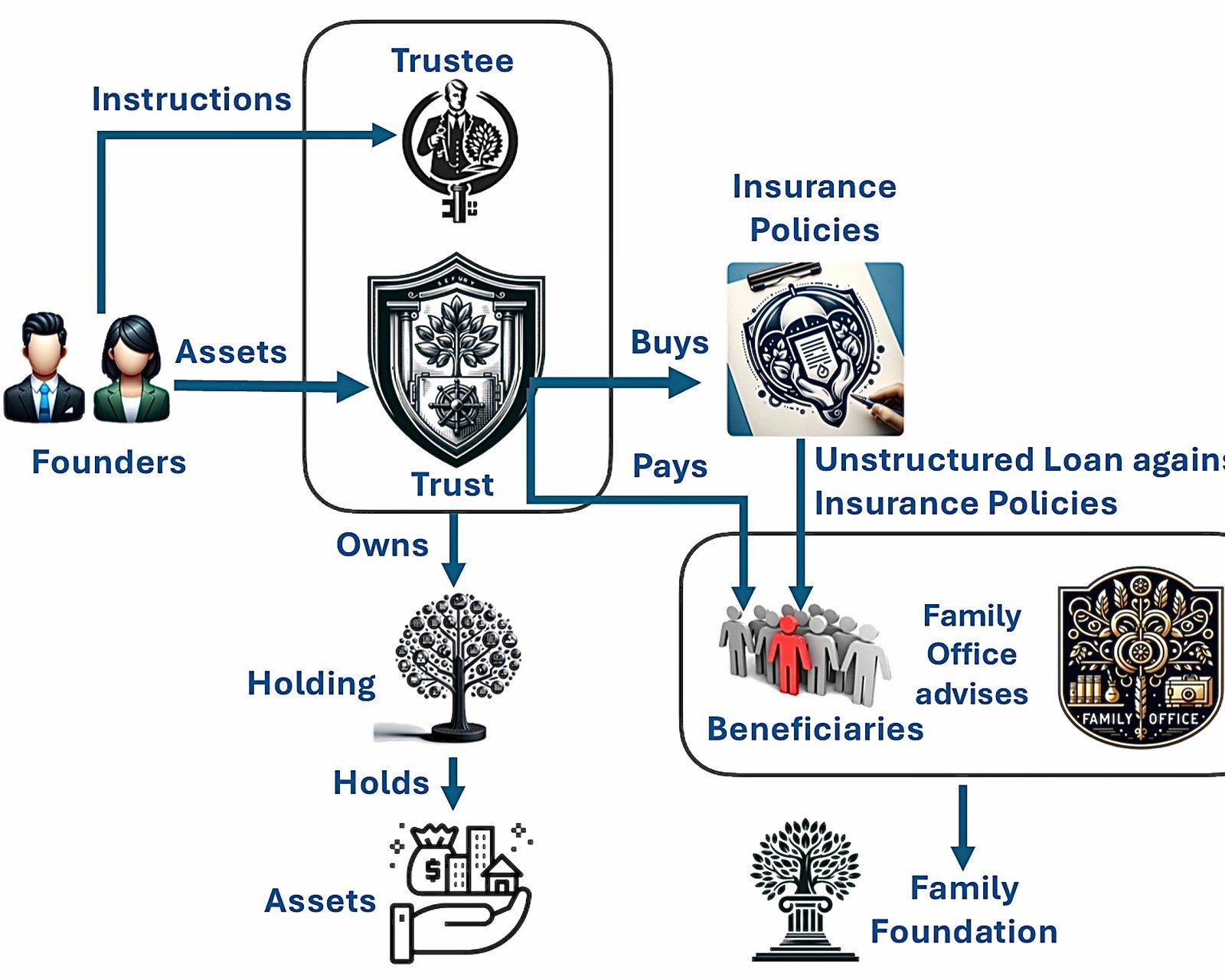
Trusts, Holdings, Insurance
Trusts, Holdings & Insurance are at the core of our wealth preservation strategies, offering vehicles for asset protection, tax efficiency, and estate planning. By using the international legal framework, IFB ensures that your wealth is safeguarded against volatility and uncertainty, optimizing for both growth and sustainability.

Family Offices
Family Offices embody our commitment to providing full, customized wealth management services. IFB’s family offices are structured to address all aspects of wealth management, including investment strategy, philanthropy, governance, and education, ensuring that your family’s wealth objectives are achieved with precision and coherence.

Family Foundation
Family Foundations are facilitated by IFB as a means to channel wealth towards philanthropic endeavors, creating a lasting impact that resonates with your family’s values. Through strategic philanthropy, we assist HNWIs in establishing a charitable legacy that promotes social good while aligning with long-term financial objectives.

Asset Management
Beaufort Securitisation Holding, we offer a full suite of asset management services designed to meet the needs of discerning clients who seek both performance and security. Our approach combines a deep understanding of financial markets with a personalised, client-centric methodology to help you achieve your financial aspirations.
Kindly complete our Investment Questionnaire to inform us about your financial objectives and risk tolerance. If you want to discuss with us your special needs, please get in contact with our director Bichara Kaba.



Next step
Request an introduction
Tell us in a few lines who you are and what you have in mind. Your enquiry goes directly to the bank and is treated in confidence.
Prefer to talk? Book a 30-minute videoconference.