
Alternative Transfer Methods
Server-to-Server (S2S)
S2S Services Activation at IFB
Server to Server facilities will be activated upon the client’s request once their account is in good standing:
- It maintains the minimum balance,
- exhibits a consistent financial track record, and
- aligns with legitimate business activities.
Additionally, the account must have
- no outstanding compliance issues, and
- all transactions must adhere to international financial regulations.
Final activation is subject to internal review and approval by our compliance and risk management team.
A message is not money
Why no SWIFT message, telex or server moves funds without settlement, in 90 seconds.
Verify a document with VL1 →Received a payment message, slip or confirmation? Have it checked before you rely on it.
Server to Server Transfers (S2S)
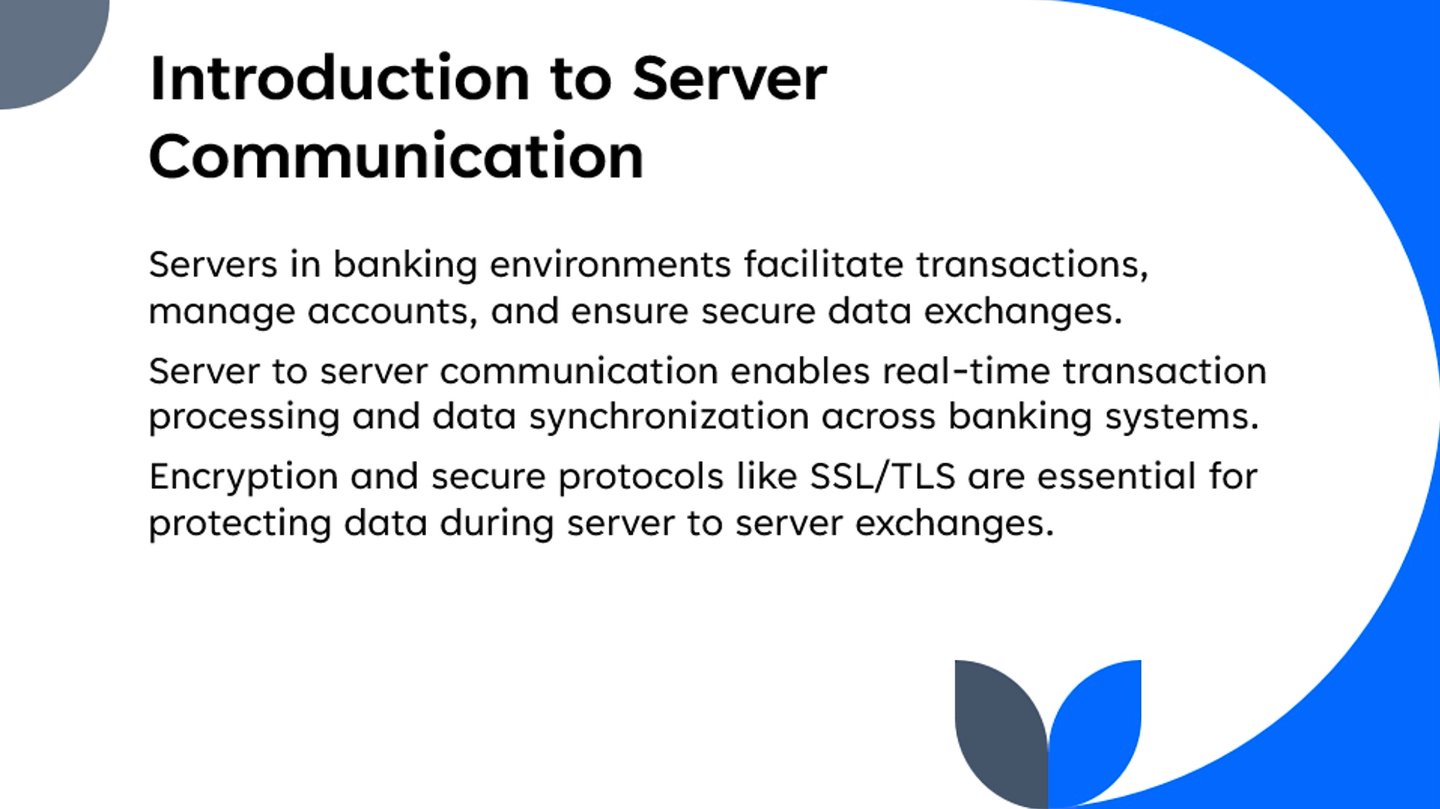
refer to a part of the process of moving funds, assets, liabilities and equities from their respective Nostro-Accounts, or data between different banks or financial institutions through their respective servers. These transfers are facilitated by secure, encrypted connections and rely on well-established protocols and standards to ensure the safe and efficient transmission of information. There are several components to server-to-server transfers in banking:
- Interbank networks: Financial institutions are connected to each other through interbank networks, such as the Society for Worldwide Interbank Financial Telecommunication (SWIFT) or the Automated Clearing House (ACH) network. These networks enable banks to communicate with one another and process transactions like fund transfers and payments.
- Protocols and standards: Server-to-server transfers rely on established protocols and standards to facilitate communication and transaction processing. Examples include the ISO 20022 standard for electronic data interchange and the SWIFT messaging system, which uses a specific format for exchanging financial messages between banks.
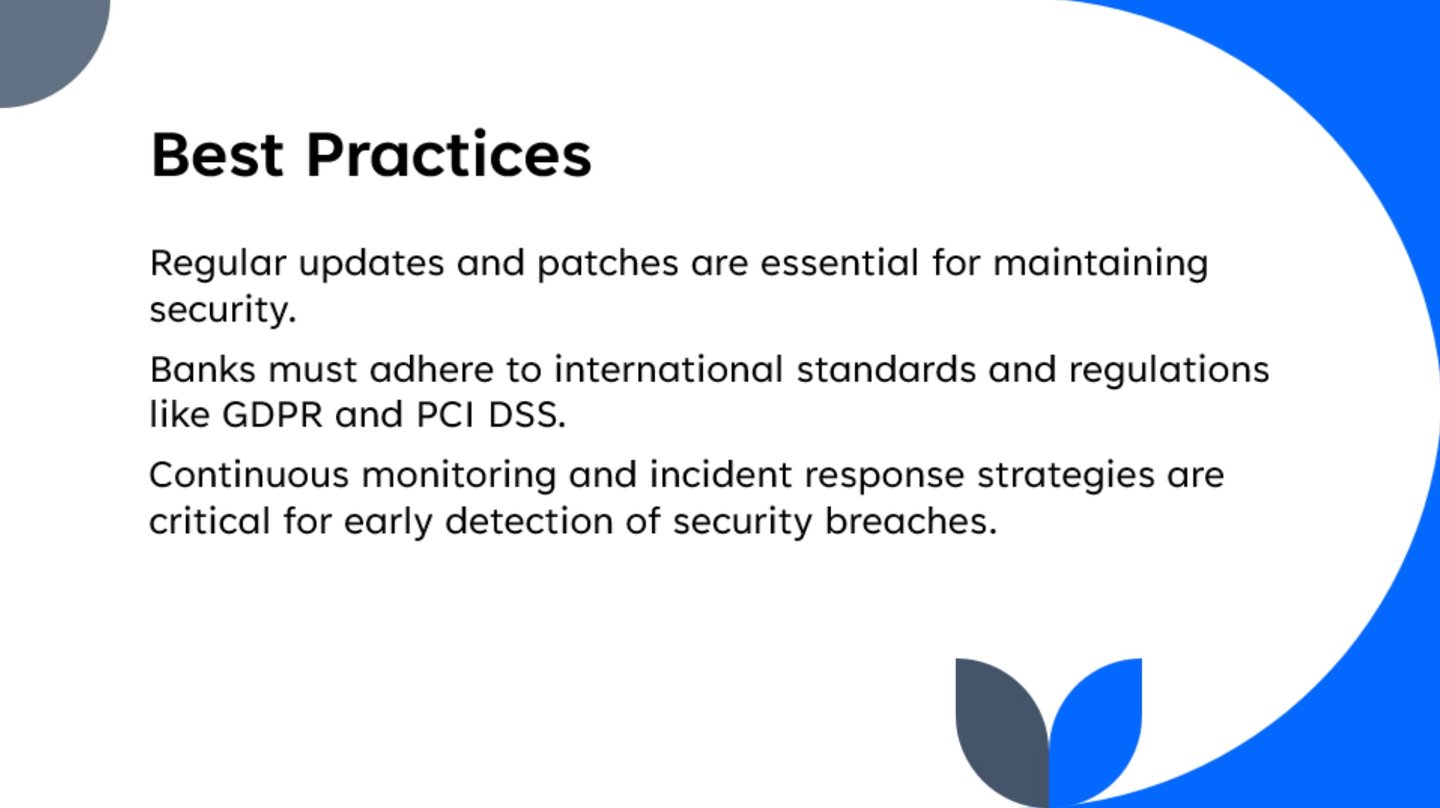
- Secure connections: Banks use secure, encrypted connections to protect the confidentiality and integrity of sensitive information transmitted during server-to-server transfers. This includes using technologies like Secure Socket Layer (SSL) or Transport Layer Security (TLS) to establish secure communication channels.
- Authentication and authorization: Banks employ strong authentication and authorization procedures to verify the identity of the parties involved in a server-to-server transfer. This may involve the use of digital certificates, cryptographic keys, or multi-factor authentication methods to ensure that only authorized individuals or systems can initiate or approve transactions.
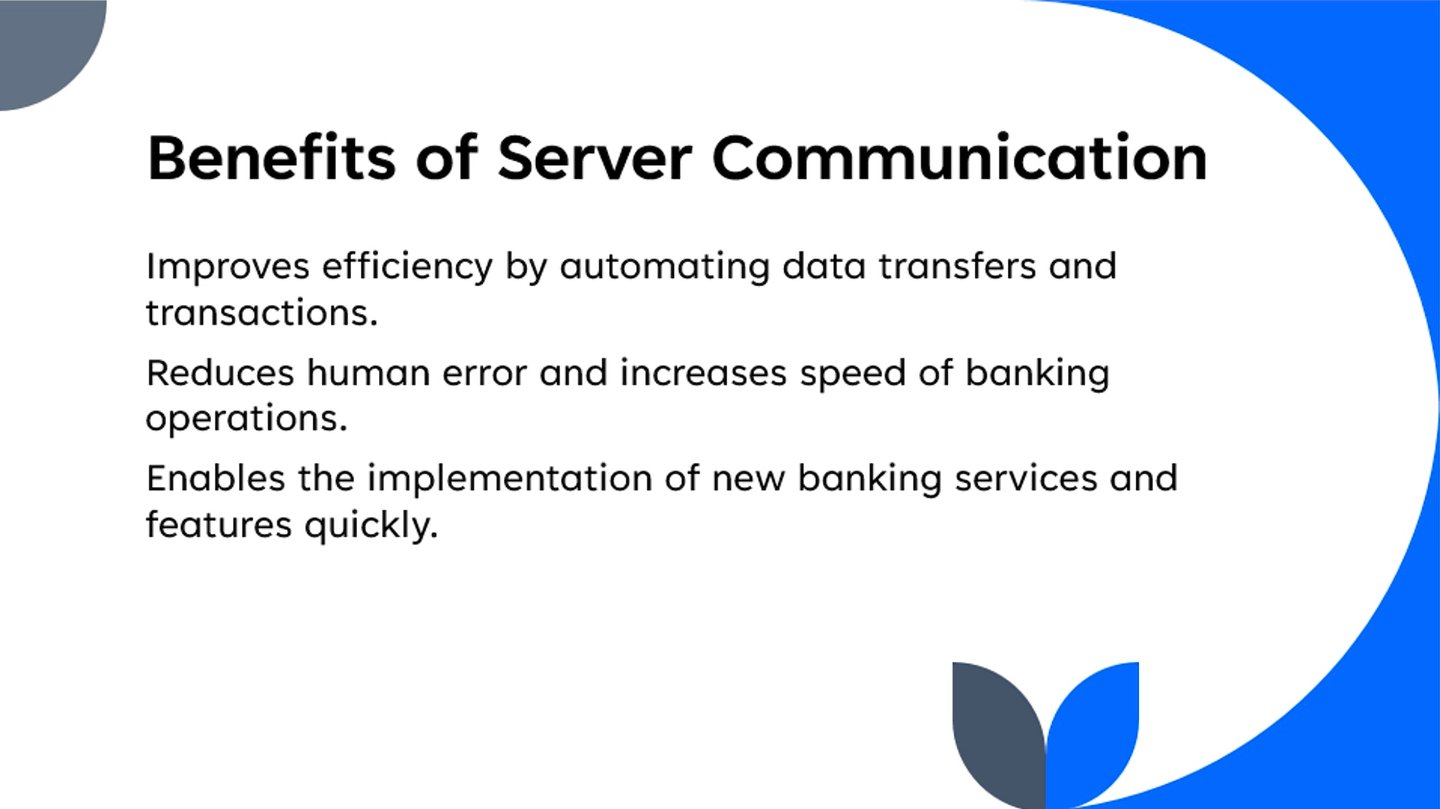
- Transaction processing: Once the necessary security measures are in place, transactions can be processed between banks. This typically involves the sending bank initiating the transfer request, the receiving bank verifying and accepting the request, and then both banks updating their respective records to reflect the completed transfer.
- Reconciliation and settlement: Following the completion of a server-to-server transfer, banks will reconcile their records and settle any outstanding balances. This may involve updating ledgers, reconciling transaction data, and settling any outstanding fees or charges associated with the transfer.
Our S2S Services
We provide S2S services to our select clientele of high-net-worth individuals and well-established corporate entities, with particular emphasis on discretion, confidentiality, and institutional integrity.
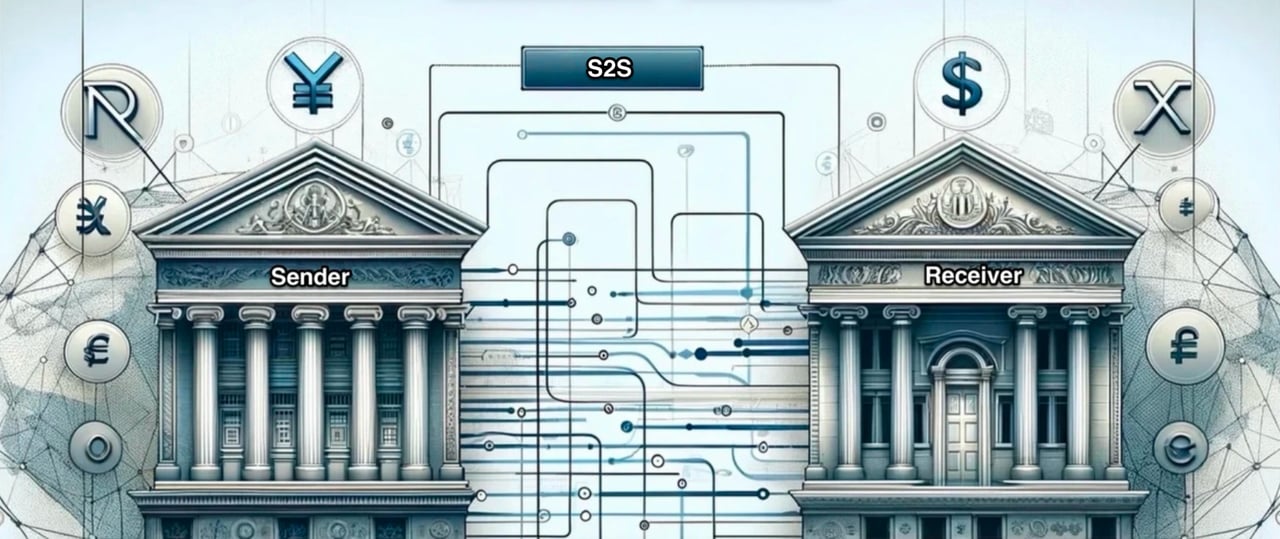
All S2S transactions are conducted exclusively between banks that are fully integrated into the international banking system, ensuring not only the secure exchange of authenticated S2S messages but also the effective and timely settlement of funds. Counterparties lacking such integration may be capable of message transmission, yet are inherently unable to complete financial settlement.
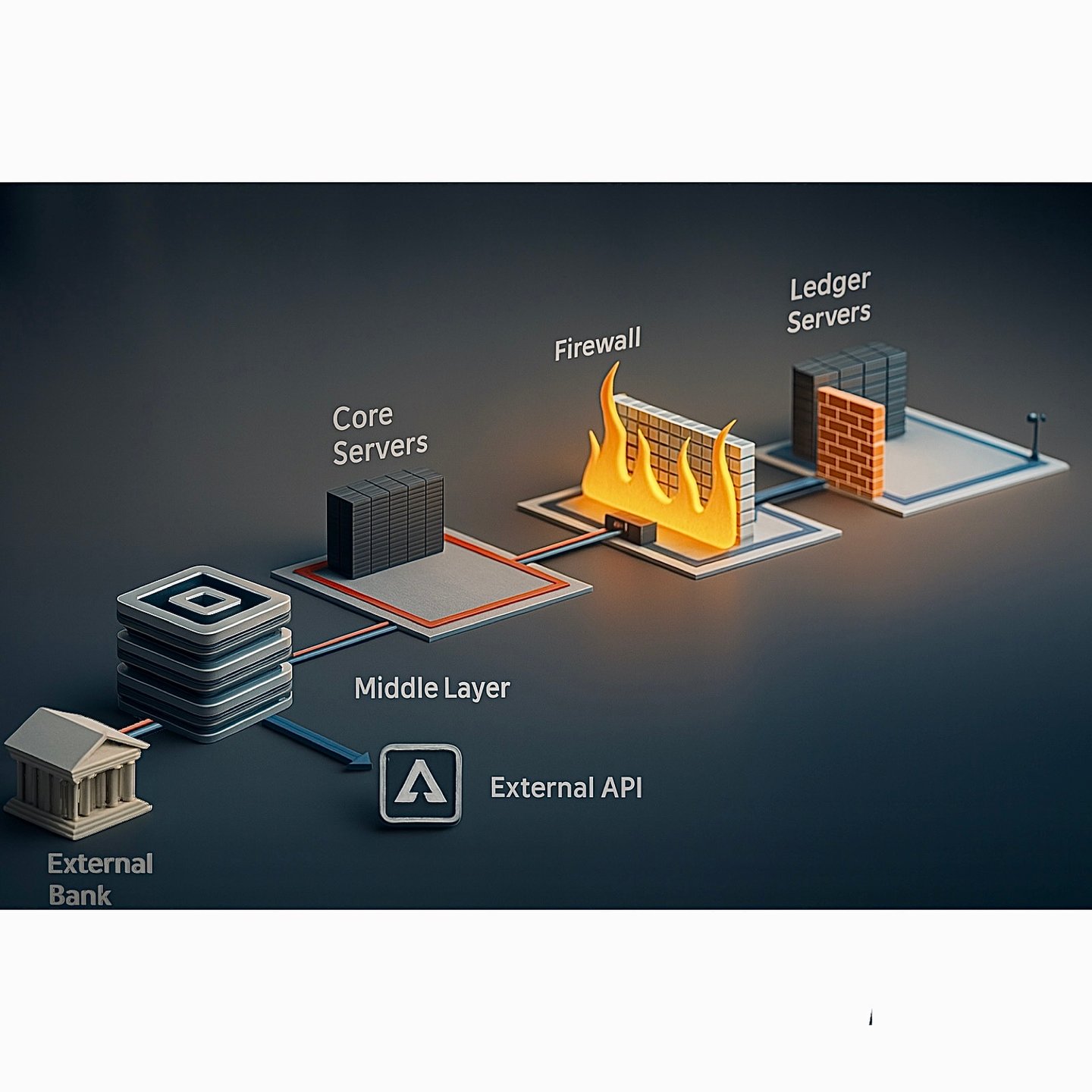
In S2S transfers, funds cannot be “downloaded” from a bank’s ledger or core servers, as these systems are always entirely isolated from external access. Unlike digital files stored in the cloud or on any normal server or computer, funds must always be transmitted through the secure and regulated framework of the global banking system, ensuring both their integrity and the compliance of every transaction.
Empirically, more than 68% of S2S transactions presented to us emanate from non-bank entities or from banks without the capability to send funds.
By contrast, we are positioned to transact without limitation as to amount, subject solely to rigorous verification of the originating institution and its demonstrable ability to effect settlement.

Server to Server (S2S) Currency Transfer Structure
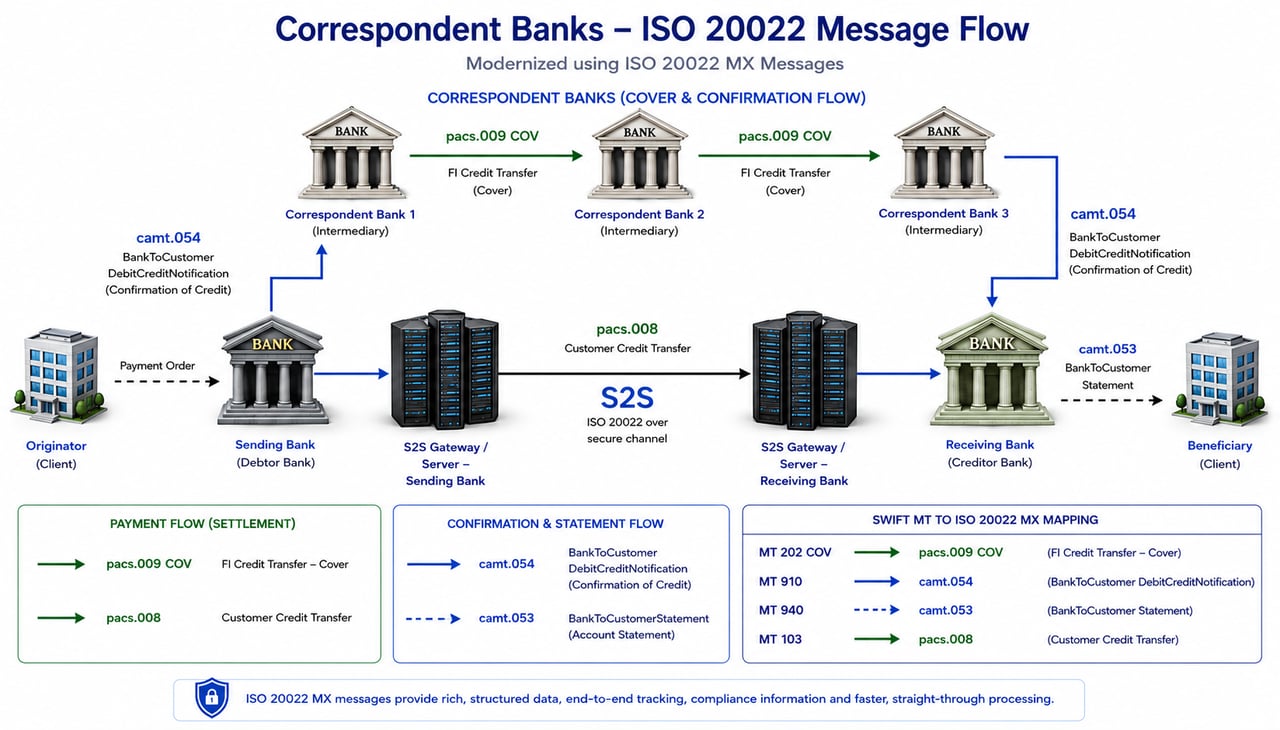
S2S Communications between Banks
Server-to-server communications between banks are established through a combination of secure protocols, regulatory frameworks, and industry standards to ensure the confidentiality, integrity, and availability of data. These communications are typically managed using a combination of the following protocols and technologies:
1. SWIFT (Society for Worldwide Interbank Financial Telecommunication)
- Overview: SWIFT provides a global network for secure and standardized financial messaging. It is widely used for international bank transfers.
- Protocols Used: SWIFTNet uses IP-based protocols such as SWIFTNet InterAct and SWIFTNet FileAct, which leverage XML for message formatting. Secure communications are ensured using TLS (Transport Layer Security).
2. ISO 20022
- Overview: ISO 20022 is an international standard for electronic data interchange between financial institutions. It provides a common platform for the development of messages in a standardized XML format.
- Protocols Used: Often implemented over secure transport protocols like HTTPS and TLS.
3. FIX (Financial Information Exchange) Protocol
- Overview: FIX is a standard protocol for the real-time electronic exchange of securities transactions.
- Protocols Used: FIX messages are usually transmitted over TCP/IP and can be secured using TLS.
4. EBICS (Electronic Banking Internet Communication Standard)
- Overview: Widely used in Europe, EBICS is a protocol for securely transmitting financial transactions over the internet.
- Protocols Used: EBICS utilises HTTPS with TLS for secure communication and XML for message formatting.
5. VPN (Virtual Private Network)
- Overview: VPNs provide secure point-to-point communication over the internet by creating encrypted tunnels.
- Protocols Used: Common protocols include IPsec (Internet Protocol Security) and SSL/TLS.
6. API (Application Programming Interface) Standards
- Overview: APIs allow for smooth integration and communication between banking systems.
- Protocols Used: RESTful APIs often use HTTPS with TLS for secure data transmission. Open Banking standards like PSD2 in Europe mandate the use of secure APIs for accessing banking data.
7. SFTP (Secure File Transfer Protocol)
- Overview: SFTP is used for secure file transfer between banks.
- Protocols Used: SFTP operates over SSH (Secure Shell), ensuring encryption and secure transmission.
8. Blockchain and DLT (Distributed Ledger Technology)
- Overview: Emerging technologies like blockchain provide decentralized and secure transaction processing.
- Protocols Used: Specific protocols depend on the blockchain platform, e.g., Hyperledger Fabric, Ethereum. Security is ensured through cryptographic methods.
Security and Regulatory Considerations
- Authentication and Authorization: Mechanisms such as two-factor authentication, digital signatures, and role-based access controls are employed.
- Encryption: Data at rest and in transit is encrypted using strong cryptographic algorithms (e.g., AES, RSA).
- Compliance: Adherence to regulatory requirements such as GDPR (General Data Protection Regulation), PSD2 (Payment Services Directive 2), and other regional standards.
Alternative connectivity
- Direct Private Lines: Some banks use leased lines or MPLS (Multiprotocol Label Switching) networks for direct, highly secure communication. Common in high-security environments.
- Cloud-Based Solutions: Increasingly, banks are leveraging cloud service providers with strong security frameworks for inter-bank communications. Increasingly common, subject to outsourcing and operational-resilience rules such as DORA in the EU.
Transmission Protocols for S2S
- FIX (Financial Information eXchange): The messaging standard for securities trading: orders, executions and allocations. It carries trade data, not payments.
- EBICS (Electronic Banking Internet Communication Standard): A standard for secure file exchange between corporate customers and their banks, used mainly in Germany, France, Switzerland and Austria.
- Zengin: The Zengin System is Japan’s domestic interbank funds-transfer network; the Zengin file format is used for domestic transfers and direct debits.
- AS2 (Applicability Statement 2): Secure, signed transport of business documents (EDI, XML) over the Internet, with delivery receipts.
- SNMPv3: Monitoring and management of network devices, with authentication and encryption. It manages infrastructure; it does not carry transactions.
- Kerberos: Ticket-based network authentication, so that clients and services can prove their identity to each other.
- OAuth 2.0: Delegated authorisation through limited access tokens; the basis of most open-banking APIs.
- SFTP and SCP over SSH: Encrypted file transfer and copying between servers, widely used for payment and statement files.
Each of these protocols secures the exchange of data or access to systems. In S2S transactions involving the transfer of currency, bank assets, liabilities and equity, the mentioned protocols are necessary but not sufficient for the completion of the financial transactions:
Actual Fund Transfer: These protocols efficiently transmit transaction details but don’t handle the actual movement of funds. For transferring funds, systems like correspondent banking, Real-Time Gross Settlement (RTGS) and instant payments are essential. They physically move the money between accounts, completing the financial transaction unless the funds are already lodged in and have to be moved out from a nostro-vostro account. Beyond data transmission, there’s a need for actual fund settlement, to ensure the real-time movement of funds and to reflect the transactions accurately in the banking systems.
Actual Transfer of Assets, Liabilities and Equities: In asset, liabilities and equity transactions, it’s crucial to record these transfers with the CSDs. CSDs are responsible for maintaining the legal record of securities ownership, a process beyond the scope of the initial communication protocols. The transfer of assets and equities also impacts the banks’ financial statements, altering liabilities, assets, and equity balances. This financial reporting to the involved controlling authorities and the necessary compliance aspect is beyond the data transmission capabilities of the protocols and requires additional financial and regulatory processes.
In essence, while protocols are vital for the secure and efficient exchange of information in S2S transactions, the complete process involves additional systems for actual currency, asset, liabilities and equities movement, settlement, legal recording and financial reporting, ensuring that the entire transaction is executed in compliance with regulatory banking standards.
Minimal Connection Procedures
To connect two servers from different banks for a one-time information transmission, several detailed steps and information are required. Here is an in-depth breakdown:
1. Network Information
- IP Addresses: Obtain the public or private IP addresses of both servers.
- Ports: Determine which ports will be used for communication (e.g., port 22 for SFTP, port 443 for HTTPS).
2. Authentication and Authorization
- Credentials: Exchange secure credentials for access. Username and Password: Ensure these are securely shared. SSH Keys: If using SSH, share public keys securely. API Keys: For API-based communication, share API keys securely.
- Certificates: Use SSL/TLS certificates for encrypted connections.
3. Data Transfer Protocols
- Protocol Choice: Choose the protocol based on security and functionality. FTP/SFTP: Secure File Transfer Protocol, HTTP/HTTPS: For web-based communication, API Endpoints: If using a web service
- Firewall Rules: Configure firewalls to allow traffic through specified ports. Example: Open port 22 for IP address on Server A’s firewall.
4. Security Considerations
- Encryption: Ensure data is encrypted during transmission. Use protocols like SFTP, HTTPS, or implement encryption within the data.
- Access Controls: Limit access to the necessary personnel and systems. Set up user roles and permissions.
5. Technical Coordination
- Network Configuration: Configure network settings, such as NAT (Network Address Translation) if needed. Example: Configure NAT to map internal IPs to external IPs.
- Testing: Conduct a test run to ensure connectivity and correct data transfer. Verify both connectivity and data integrity.
6. Data Preparation
- File Format: Agree on the format of data to be transferred (e.g., CSV, JSON, XML).
- Data Size: Ensure both parties are aware of the data size to handle it appropriately. Example: If the file size exceeds certain limits, consider splitting the data or using compression.
Example Steps for a Secure File Transfer Using SFTP:
- Exchange Public SSH Keys: Securely share and add each server’s public SSH key to the other server’s authorized keys.
- Server A: Add Server B’s public key to `~/.ssh/authorized_keys`.
- Server B: Add Server A’s public key to `~/.ssh/authorized_keys`.
2. Configure Firewalls: Open port 22 on both servers to allow SFTP traffic.
- `iptables -A INPUT -p tcp -s 203.0.113.5 --dport 22 -j ACCEPT`
- `iptables -A INPUT -p tcp -s 192.168.1.10 --dport 22 -j ACCEPT`
3. Initiate Transfer: Use SFTP to transfer files.
- On Server A: `sftp user@203.0.113.5`
- On Server B: `sftp user@192.168.1.10`
- Commands within SFTP: `put localfile` or `get remotefile`
4. Verification: Verify file integrity post-transfer.
- Compare checksums: `sha256sum localfile` and `sha256sum remotefile`
Actual Fund Transfer: These protocols are adept at transmitting transaction details, such as messages and instructions, yet they do not facilitate the actual movement of funds.
For the physical transfer of funds, systems such as correspondent banking, Real-Time Gross Settlement (RTGS), and Real-Time Payments (RTP) are indispensable.
- In corresponding banking, funds are moved between accounts at different banks.
- In the RTGS system, funds transfer occurs between settlement accounts within the central bank(s).
- Similarly, in the RTP system, funds are transferred between clearing accounts.
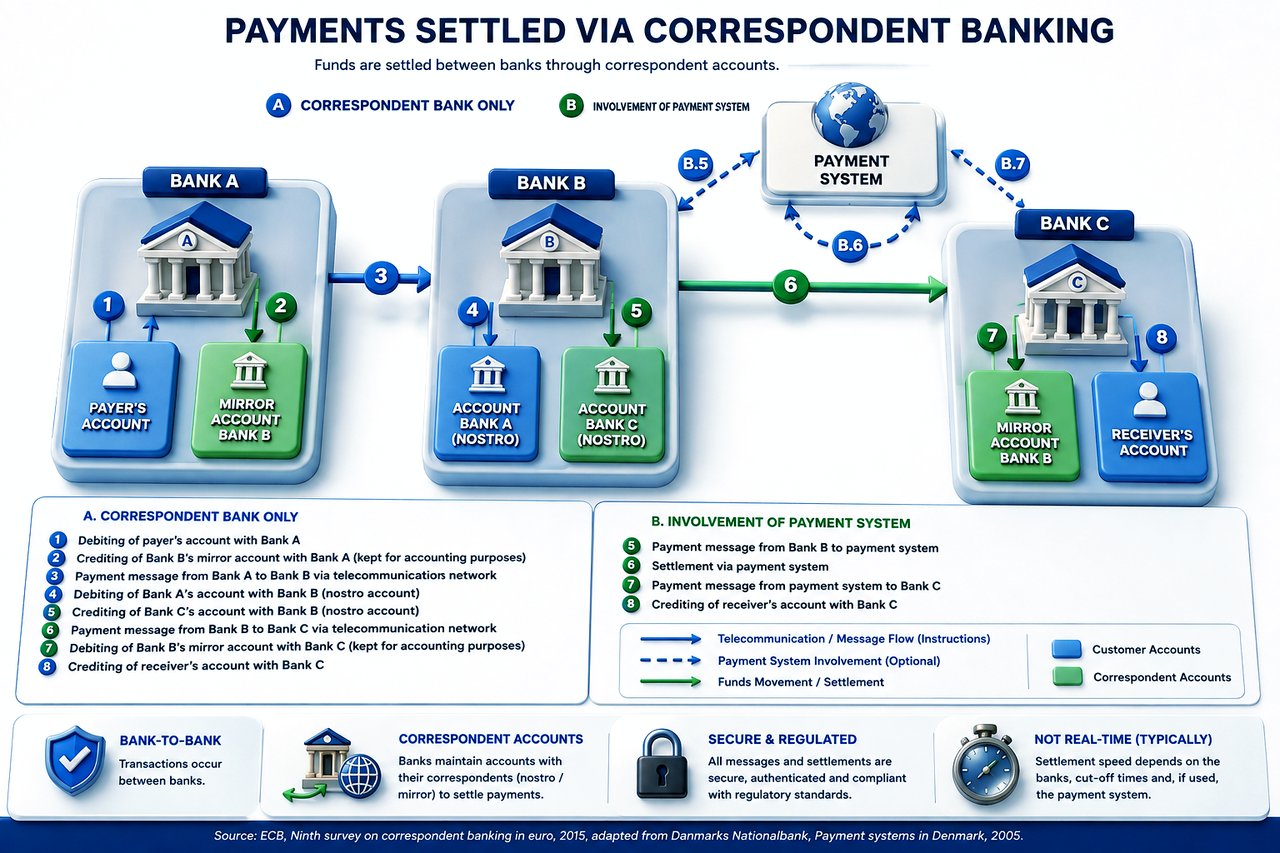
These systems are critical for the actual transfer of monetary assets. Therefore, it is imperative that the sending bank not only possesses server to server capabilities but also maintains full integration with the banking system.
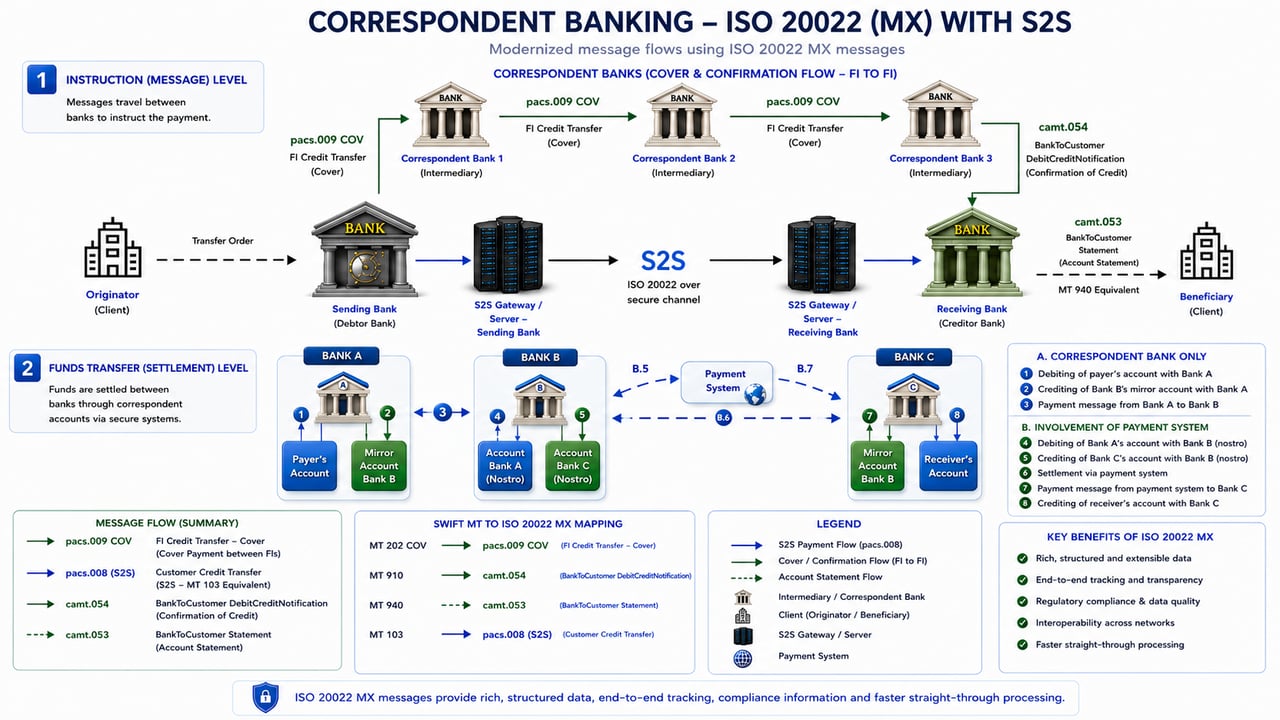
Two distinct Levels:
Instruction Level & actual Funds Transfer Level
S2S Funds Transfer to us
To alleviate some compliance concerns when a pacs.008 was sent per S2S instead of SWIFT to us, you could consider your sending bank including the following additional information in the pacs.009 COV within the correspondent bank to correspondent bank transmission of funds, where the format allows:
- Ordering Customer Information: Provide details of the ordering customer, similar to Field 50 in MT 103. This can include name, address, and account number.
- Beneficiary Information: Include details of the beneficiary, mimicking Field 59 in MT 103. This should have the beneficiary name, address, and account number.
- Purpose of Payment: Explicitly state the reason for the transaction, which could alleviate some Anti-Money Laundering (AML) concerns.
- Regulatory Reporting Information: If your jurisdiction requires, include codes or identifiers for regulatory reporting.
- Reference to S2S pacs.008: A specific mention that the pacs.009 COV is tied to an S2S pacs.008, can provide context to the intermediary bank.
- Contact Information: Include specific contact details for the compliance department or transaction manager responsible for this payment, in case the receiving bank needs immediate clarification.
- Special Handling Instructions: Any extra instructions for the receiving bank that could facilitate the identification and proper handling of the transferred funds.
- Charges and Fees Information: In absence of an SWIFT pacs.008, it might be beneficial to clarify who will bear transaction-related charges to prevent misunderstandings.
- Additional Identifiers: Include any additional transaction identifiers that can link the pacs.009 COV to the S2S pacs.008, such as invoice numbers or internal transaction IDs.
Note on Compliance
Including additional information in the pacs.009 COV may not fully mitigate compliance risks, especially AML and CFT (Combating the Financing of Terrorism) checks that are typically addressed with a SWIFT pacs.008 message and it’s important to ensure that the modified pacs.009 COV still complies with applicable standards and interbank agreements.
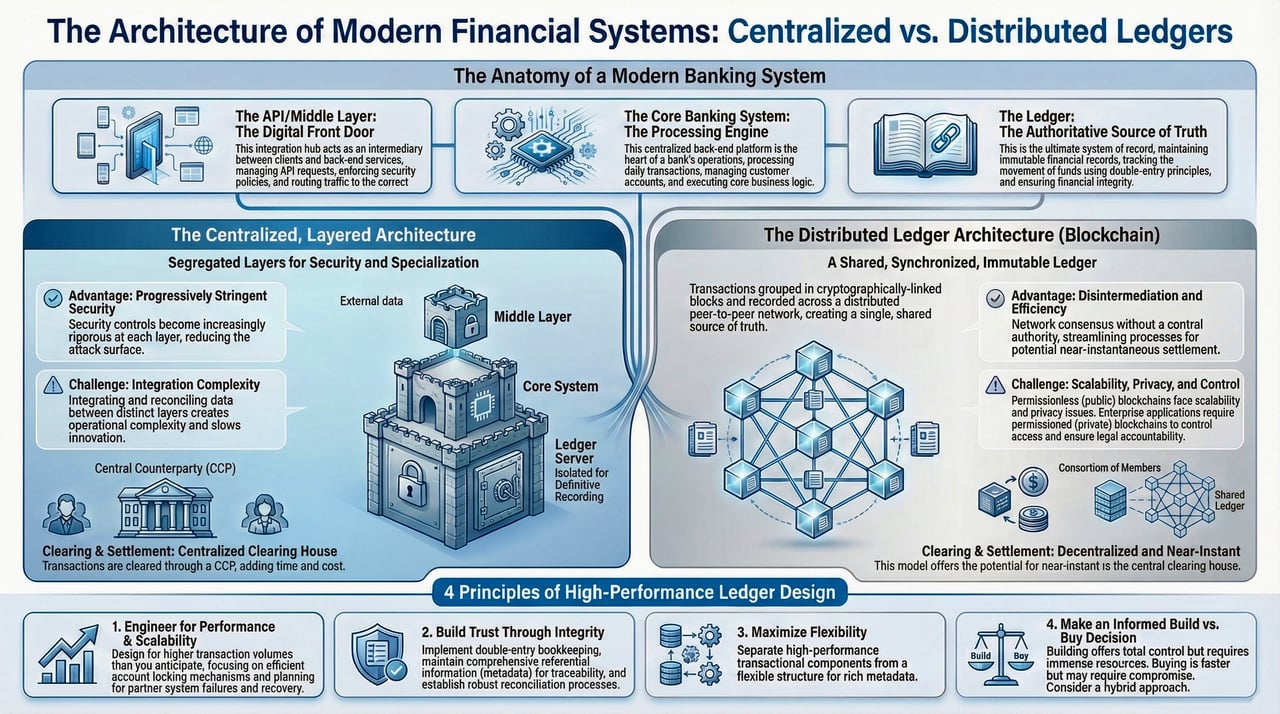
The Main Differences Between Communication Servers and Ledger/Account Servers in Banks
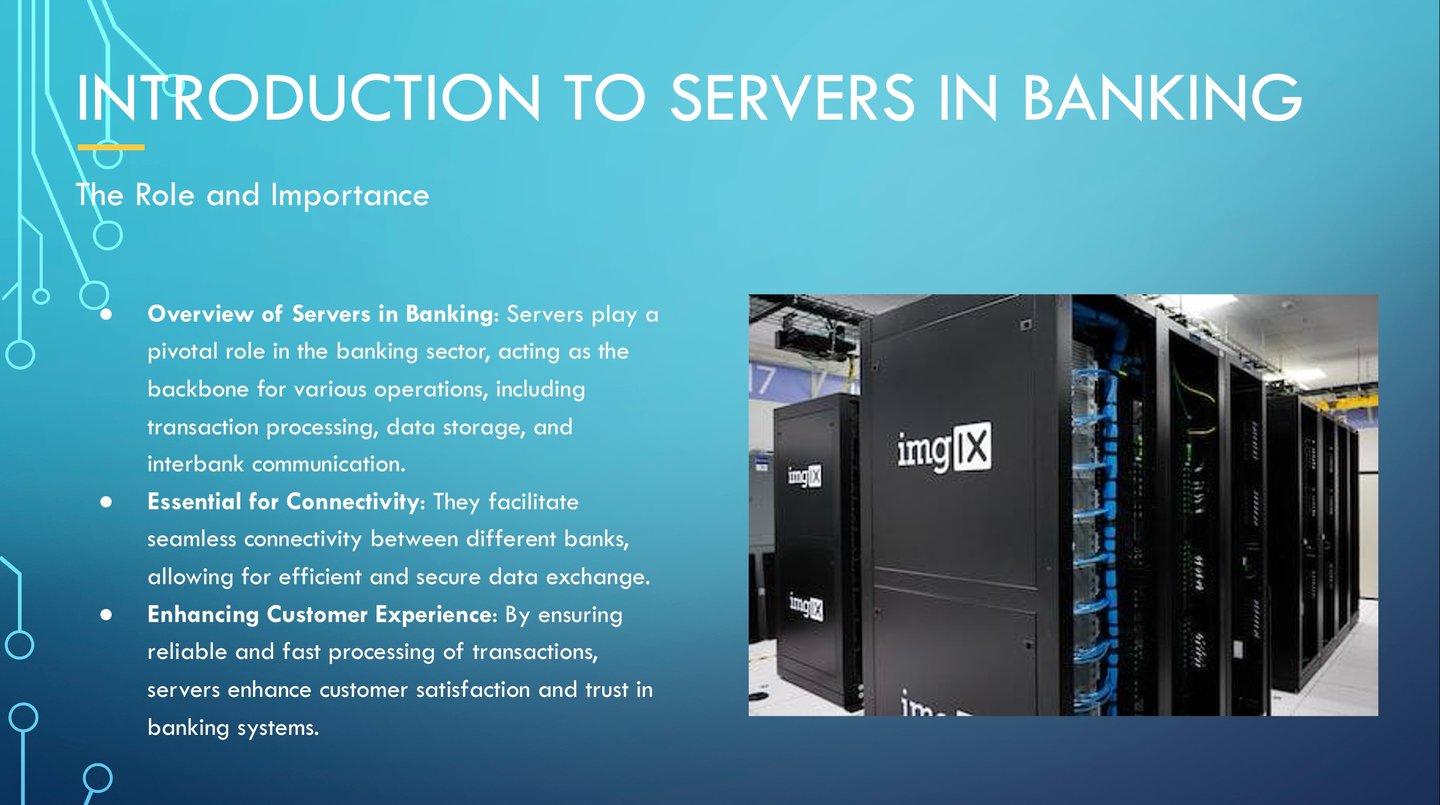
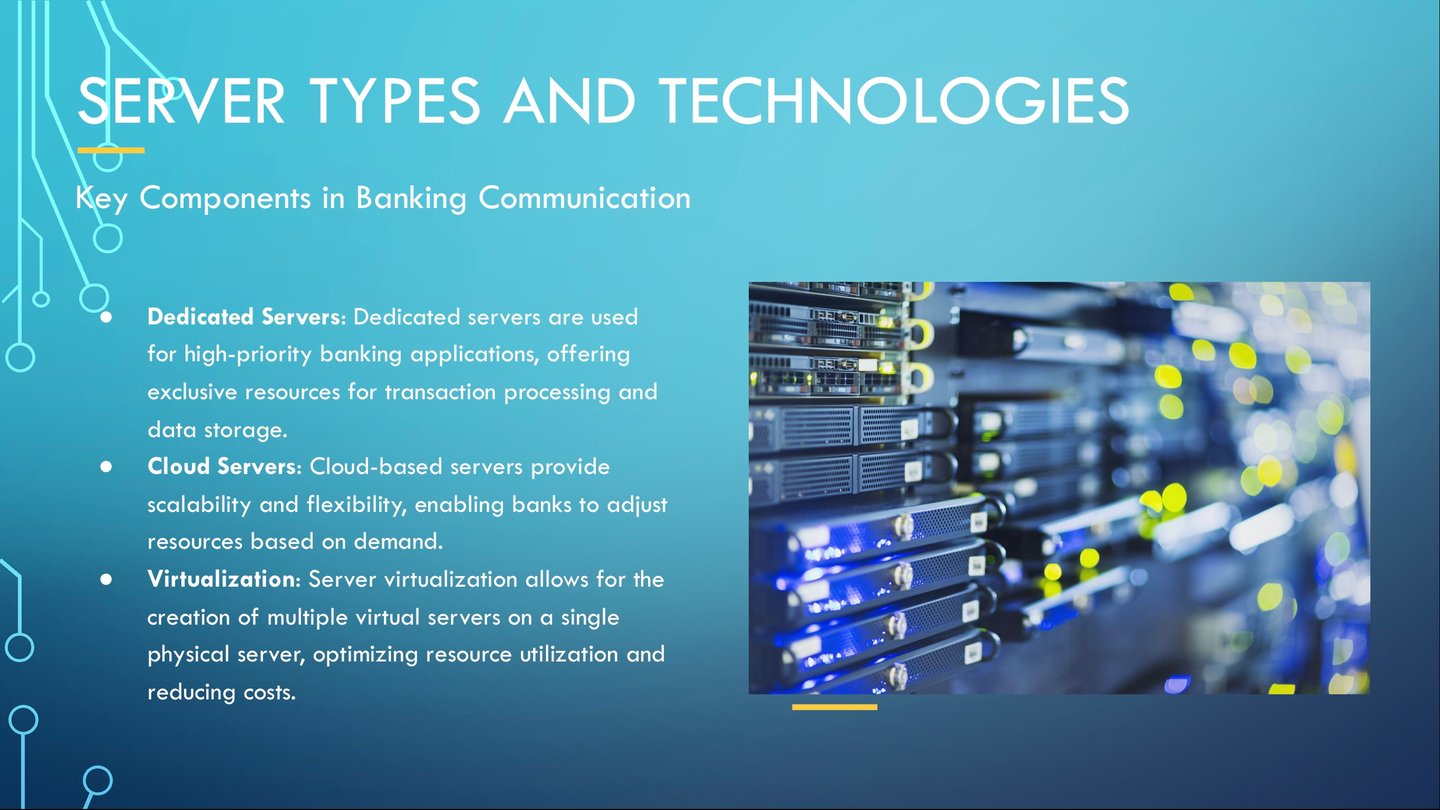
In banking technology, servers play a decisive role in ensuring the smooth operation of financial transactions and record-keeping. Two primary types of servers that banks rely on are communication servers and ledger/account servers. Despite both being crucial, they serve distinct purposes and handle different types of data.
Communication Servers
Communication servers are the backbone of secure data exchange between banks and financial institutions. Here are the key functions and features of communication servers:
- Secure Data Exchange: These servers facilitate secure data exchange, ensuring that sensitive financial information can be transmitted between institutions without compromise.
- Protocols and Standards: They utilize standardized protocols such as SWIFT, Sepa or ACH, etc. for interbank communication, ensuring uniformity and reliability across different platforms.
- Encryption and Authentication: To maintain security, communication servers employ advanced encryption methods and stringent authentication protocols, safeguarding data during transmission.
- Transaction Handling: Primarily, they handle transaction requests, messages, and instructions, acting as intermediaries that pass along the necessary information for transactions.
- No Fund Movement: Importantly, these servers do not move funds or update account balances directly; they only facilitate the communication required for such actions.
Ledger/Account Servers
Ledger/account servers, on the other hand, are the custodians of a bank’s financial records. Here are their main characteristics:
- Financial Record Maintenance: These servers store and maintain the core financial records of the bank, ensuring every transaction is accurately recorded.
- Transaction Recording: They record all transactions, including debits and credits, and are responsible for updating and storing current account balances.
- General Ledger Management: Ledger servers manage the bank’s general ledger along with individual customer accounts, providing a full view of financial health.
- Data Integrity: Ensuring data consistency and integrity is essential, as these records are essential for accurate financial reporting and compliance.
- Strong Security Measures: Given the sensitivity of the data, ledger servers typically employ more stringent security measures, including additional layers of encryption and rigorous access controls.
The communication server initiates and facilitates transactions, but the ledger server ultimately records and reflects those transactions after validation in the bank’s books.
In contemporary banking systems, these functions are often integrated, with secure intra-bank communication protocols working in tandem with ledger management systems. This integration ensures real-time updates and consistency across the bank’s entire financial ecosystem, enhancing both efficiency and security.
What can be transferred from Bank to Bank?
Bank Assets:
- Cash & Cash Equivalents: These are funds that can be accessed immediately or almost immediately. They include physical cash, deposits with other banks, and highly liquid securities like Treasury bills.
- Investments/Securities: These are financial instruments that the bank invests in to earn a return, such as government and corporate bonds, stocks, and other securities.
- Loans and Advances: These are the funds that a bank lends to its customers, and they generate interest income. They can include personal loans, mortgages, commercial loans, credit card balances, and overdrafts.
- Fixed Assets: These are physical properties owned by the bank, such as buildings, land, equipment, and furniture.
- Intangible Assets: These include non-physical assets like software, patents, trademarks, and goodwill.
- Other Assets: These can include accrued interest receivable, deferred tax assets, and derivative financial instruments among others.
Bank Liabilities:
- Deposits: These are funds that individuals and businesses keep in the bank. They include checking accounts, savings accounts, and time deposits. They are liabilities because the bank has an obligation to return these funds to the depositors on demand or at a specific maturity date.
- Borrowed Funds: These are funds that the bank borrows from other financial institutions, the central bank, or through issuing debt securities.
- Debt Securities: These are bonds or other forms of debt issued by the bank to raise funds. The bank is obligated to pay back the principal and interest to the bondholders.
- Other Liabilities: These include items like accrued expenses, accounts payable, deferred tax liabilities, provisions for loan losses, and derivative financial instruments.
- Subordinated Liabilities: These are debts that will only be paid after all other debts if the bank goes bankrupt.
Bank Equity:
- Common Stock: This is the equity that owners of the bank hold. They have voting rights and may receive dividends.
- Preferred Stock: This type of equity has a higher claim on earnings and assets than common stock but usually doesn’t come with voting rights.
- Retained Earnings: These are the net earnings a bank has accumulated over the years and chosen to reinvest in the business rather than distribute as dividends.
- Treasury Stock: These are the bank’s own shares that it has repurchased from the market.
- Other Complete Income: These are gains and losses from various investments and derivatives that haven’t been realized yet.
- Minority Interest: This is the part of the net assets of a subsidiary attributable to equity interests that are not owned, directly or indirectly through subsidiaries, by the parent.
Dropbox, Onedrive, WeTransfer, etc.
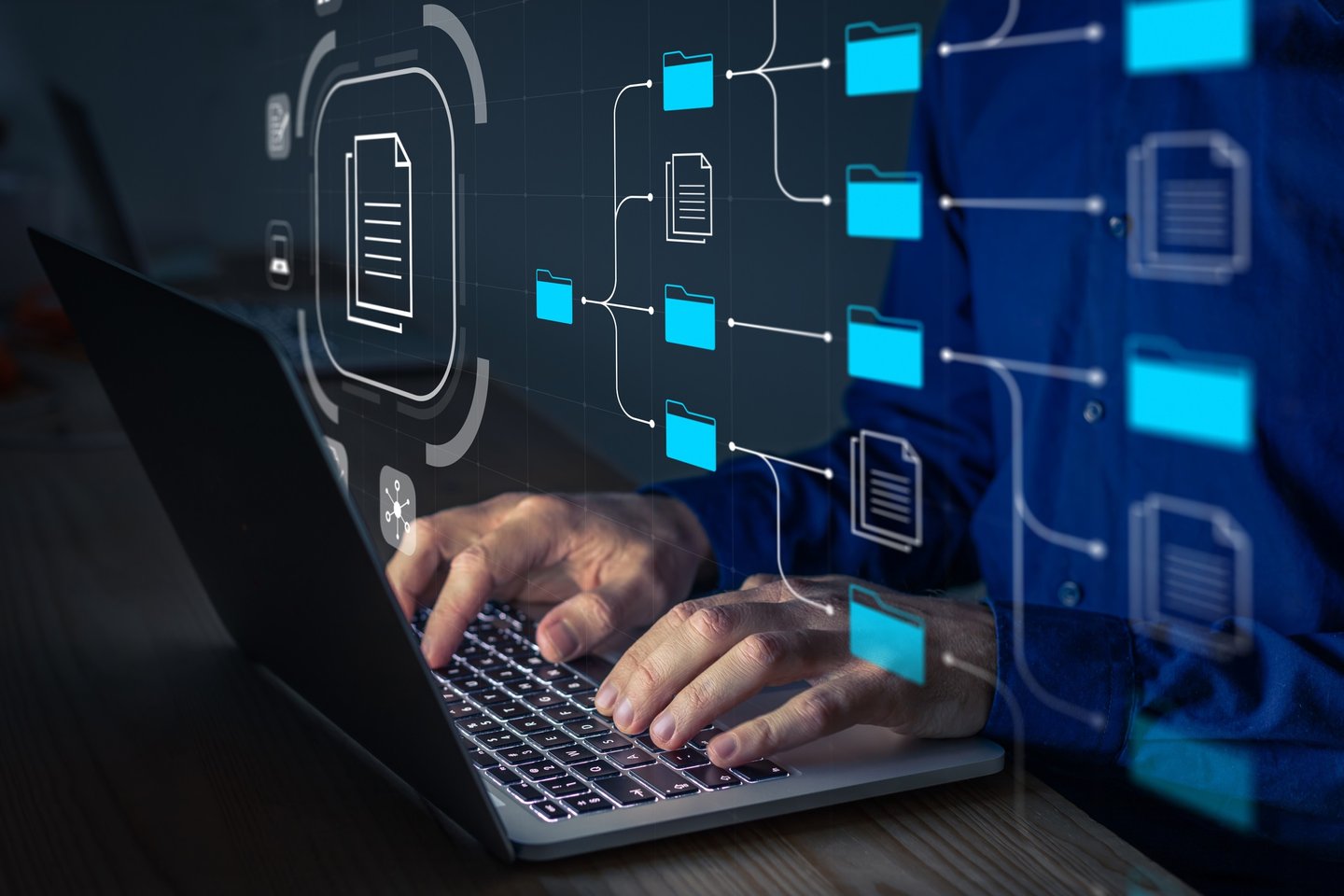
Dropbox, OneDrive, WeTransfer, and similar platforms: are cloud-based file sharing and storage solutions. They are designed to facilitate the transfer and storage of digital files over the internet. However, their role and capabilities in the context of Server-to-Server (S2S) currency transactions, specifically in the transmission of financial information similar to pacs.008 messages, must be understood in the proper context.
Role in S2S Transactions
- Transmission of Information: In S2S transactions, information about the transaction, including details that might have been encapsulated in a SWIFT pacs.008 message (a standard format for transmitting payment information), needs to be transmitted securely between banks. Services like Dropbox or OneDrive could theoretically be used to transmit documents or data files containing this information. However, this would be an unconventional method, as these platforms are not primarily designed for secure banking communications or financial transactions.
- Security and Compliance: Financial institutions typically use secure, dedicated communication channels for transmitting sensitive financial data. These channels comply with stringent regulatory, security, and privacy standards, which services like Dropbox or OneDrive, etc. might not fully meet, especially in the context of highly regulated record keeping banking transactions.
Why Funds Cannot Be “Downloaded” from These Platforms
In the financial world, the concept of money storage is fundamentally different from storing a digital file. Currency, particularly in the context of banking and electronic transactions, is not stored as a tangible entity that can be moved or copied like a file. Instead, money exists as a record of value within financial accounts managed by banking institutions.
- No Banking Functionality: Platforms like Dropbox, OneDrive, and WeTransfer are not banking systems. They do not have the functionality to process financial transactions or access banking networks. They are essentially digital storage lockers and do not interact with banking systems like RTGS (Real-Time Gross Settlement), RTP (Real-Time Payments), or correspondent banking networks.
- No Direct Connection to Financial Institutions: These file-sharing services are not connected to the banking infrastructure. Banks use specific, secured protocols and systems (like SWIFT for international transactions) for processing and clearing payments. The infrastructure of cloud storage services does not interface with these banking systems.
- Currency as a Record of Value: In banking systems, currency is represented as digital records or entries in a bank account ledger. These ledgers are maintained by financial institutions and reflect the amount of money each customer has deposited into their account. These records are not physical or tangible but are rather digital representations of value.
- Transactions as Adjustments in Ledgers: When a financial transaction occurs, such as a transfer of currency from one account to another, no physical movement of money takes place. Instead, the transaction is executed by adjusting the ledger entries in the respective accounts of correspondent banks, the central bank(s) or RTP clearing systems. The banking system decreases the balance in one account and increases the balance in another, reflecting the transfer of value to be settled separately. Reconciliation and Final Settlement: The banks involved reconcile the transaction to ensure accuracy. In cases where intermediary banks are used, each bank settles its part of the transaction through their correspondent banking relationships. Reporting and Record-Keeping: Banks maintain records of all transactions for compliance, auditing, and reporting purposes.
- Incompatibility with File Storage Systems: Given that currency in modern banking systems is represented as ledger entries within a bank’s secure database, it cannot be stored or transferred via conventional file storage and sharing systems like Dropbox, OneDrive, or WeTransfer, etc. These platforms can store and transfer digital files containing information about transactions (like transaction statements, contracts, or the analogs of SWIFT messages), but they cannot store the monetary value itself.
- Security and Regulation: The management of money within these banking ledgers is governed by strict security protocols, financial regulations and supervision. Banks use highly secure and specialized systems to manage accounts and account for executed transactions. These systems ensure the integrity, confidentiality, and accuracy of financial data, something that general file storage services are not designed to handle.
Terminology associated with alternative or legacy transfer methods should be interpreted within the context of banking infrastructure. Such terms may describe communication channels, internal processing methods, or historical practices, but they do not replace the requirement for regulated institutions, recognised payment systems, and formal settlement procedures.
Any transfer, regardless of terminology, must ultimately be processed, cleared, and reconciled within the established financial system.



Next step
Request an introduction
Tell us in a few lines who you are and what you have in mind. Your enquiry goes directly to the bank and is treated in confidence.
Prefer to talk? Book a 30-minute videoconference.
Key exchange

If you want to know more about how to transfer funds or assets to your accounts with us, please get in contact with Marie Mayer.