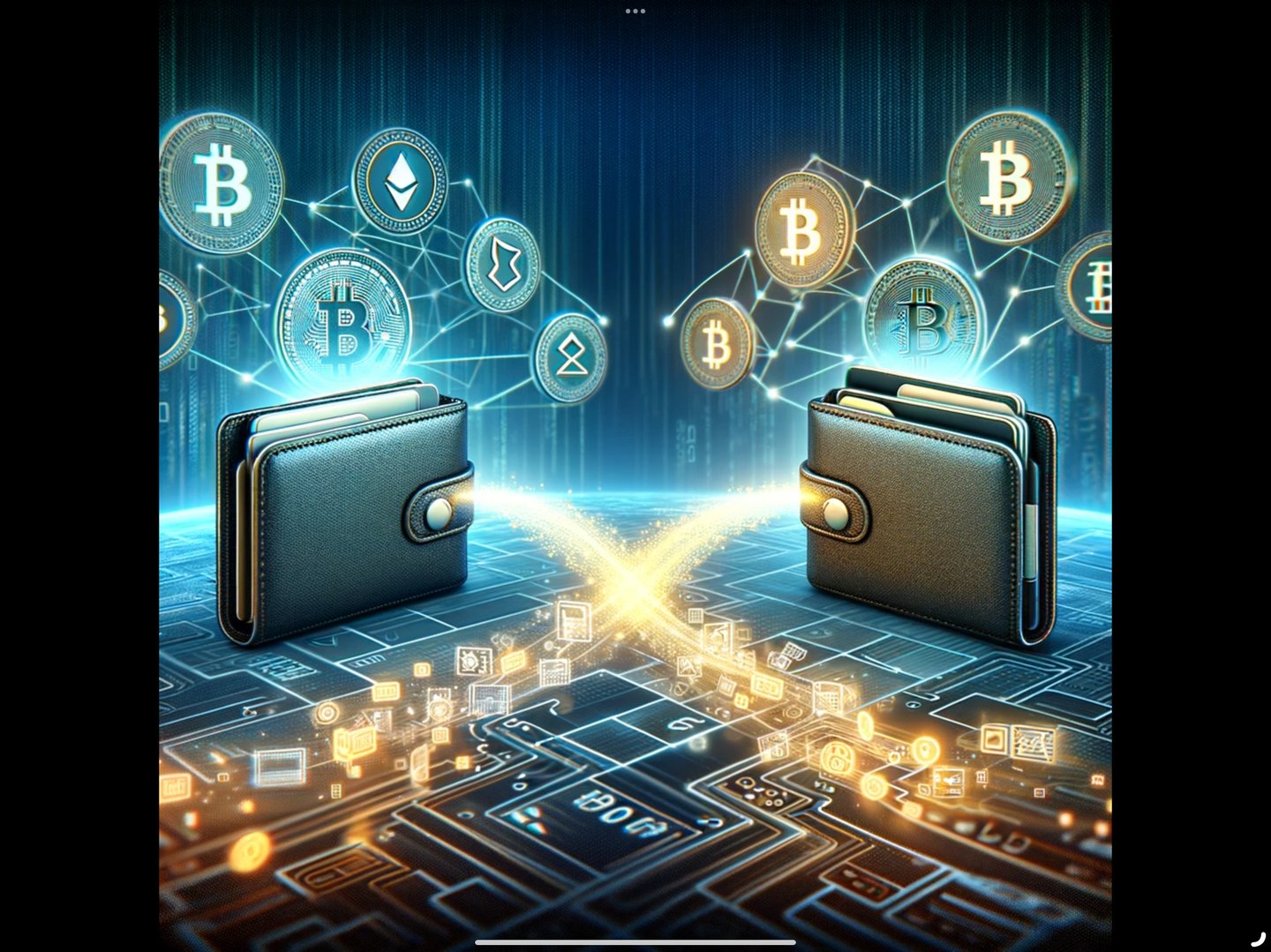
Crypto & Digital Assets
Crypto Coins
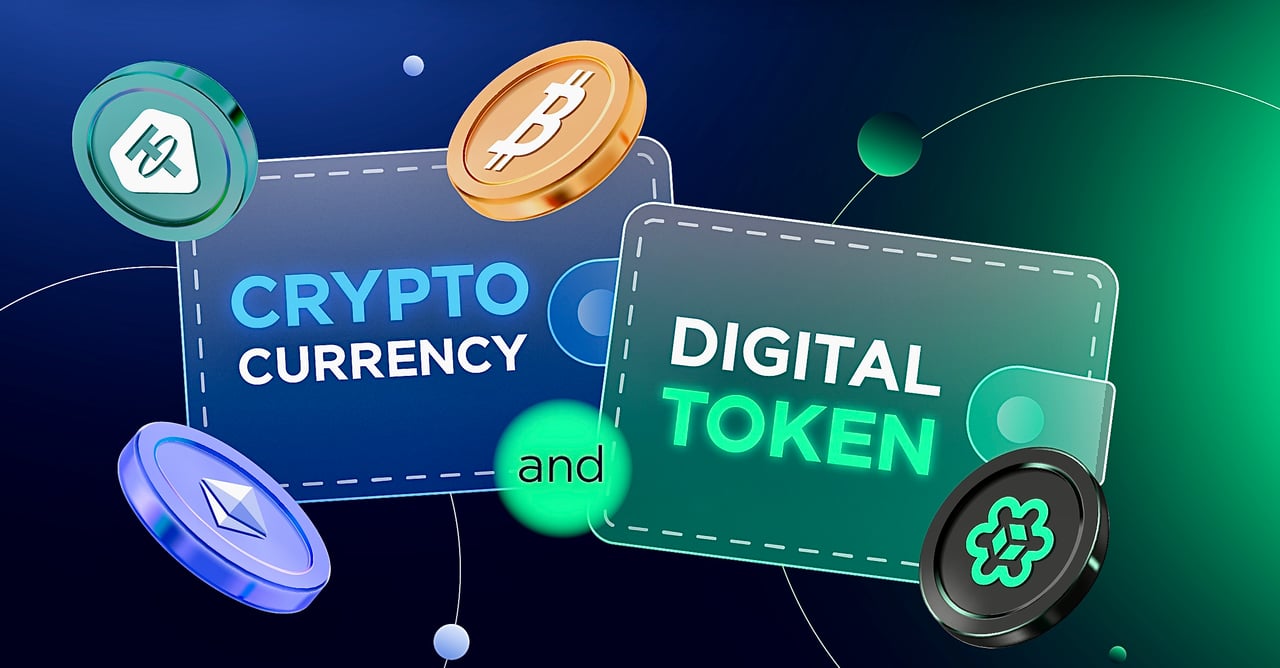
Key Differences between Coins and Digital Token
- Interchangeability: Coins are identical and interchangeable with one another within the same cryptocurrency, whereas NFTs are unique and cannot be exchanged on a one-to-one basis with another NFT.
- Use Cases: Coins are used as digital money for transactions, payments, and as a store of value, similar to fiat currencies. NFTs, however, are used to represent ownership or certify the authenticity of unique digital or physical assets.
- Value Determination: The value of coins is uniform and determined by market forces within their specific cryptocurrency ecosystem. The value of NFTs varies widely based on their rarity, the demand for the asset they represent, and other unique characteristics.
- Blockchain Standards: Coins operate on their blockchain platforms or within the framework of a specific cryptocurrency system. NFTs typically follow specific standards like ERC-721 or ERC-1155 on the Ethereum blockchain, which are designed for the creation and transfer of non-fungible assets.
This differentiation underscores the versatility of blockchain technology, from enabling digital transactions with coins to facilitating new forms of asset ownership and certification with NFTs. Each of these token types serves a different purpose within the blockchain ecosystem and caters to various use cases and applications. As the technology continues to evolve, we can expect to see the development of even more specialized token types in the future.
If you want to read more about Crypto-securities regulation please click here.
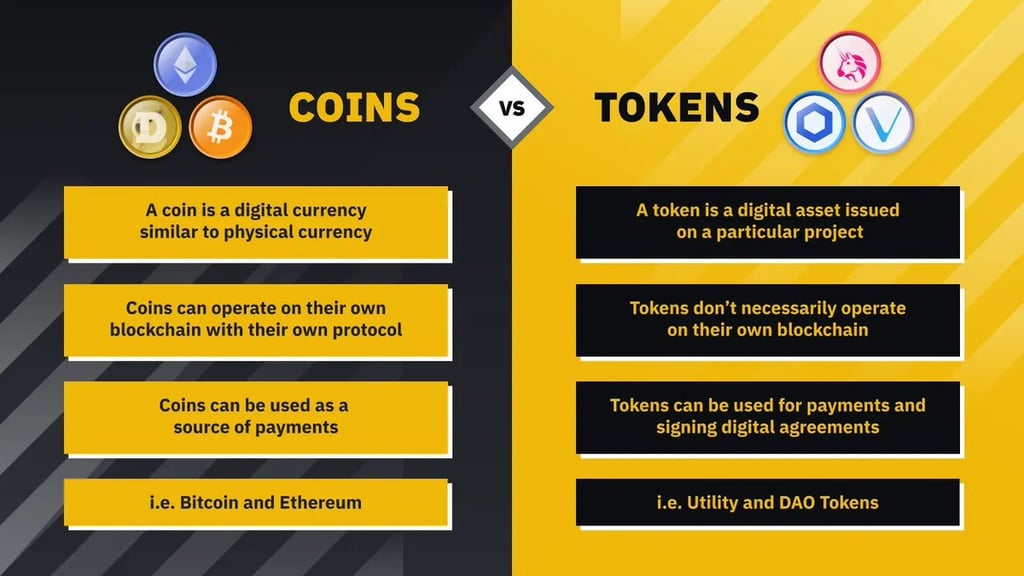
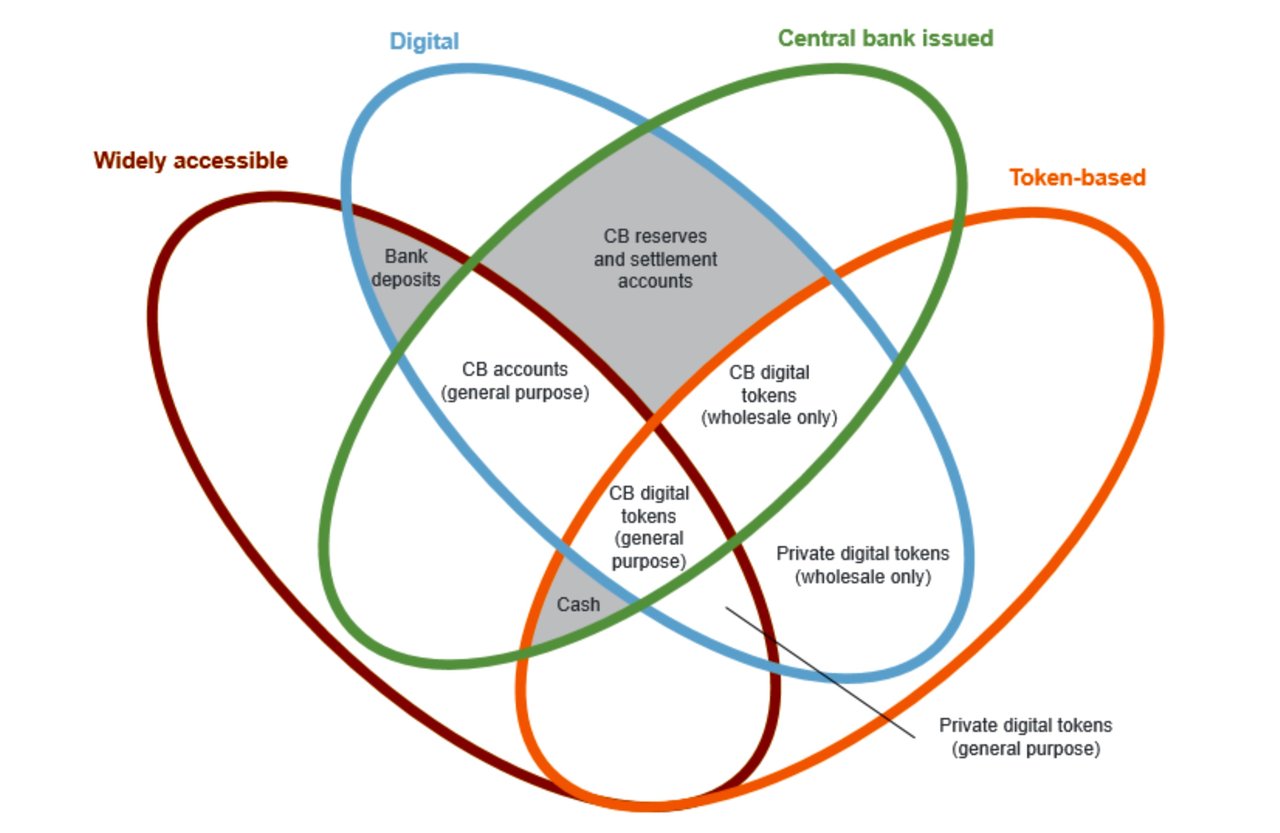
There are several types of tokens that exist on the blockchain. These tokens can be broadly classified into the following categories:
Coins
- Cryptocurrencies: These are digital or virtual fungible currencies that use cryptography for security and operate on a decentralized network, such as Bitcoin, Ethereum, and Litecoin. They serve as a medium of exchange, store of value, and unit of account.
- Stablecoins: These are digital tokens pegged to a stable asset, such as a fiat currency like the US dollar or a commodity like gold. They aim to provide stability and reduce price volatility in the cryptocurrency market. Examples include Tether (USDT), USD Coin (USDC) and Pax Dollar (USDP).
Tokens
- Utility tokens: These tokens provide access to a product or service within a specific blockchain ecosystem. They are designed to be used within a particular platform or application and often have a specific function or utility. Examples include Golem (GLM) for computing power and Filecoin (FIL) for decentralized storage.
- Security tokens: These tokens represent ownership in an asset, such as shares in a company, real estate, or other forms of investments. They are subject to securities regulations and often grant holders specific rights, such as dividends, voting rights, or profit sharing. Examples include Polymesh (POLYX), the successor to Polymath, and tZERO preferred tokens (TZROP).
- Wrapped tokens: Wrapped tokens are representations of an existing asset on a different blockchain. They enable cross-chain interaction and liquidity by allowing assets to be used on multiple blockchain platforms. Examples include Wrapped Bitcoin (WBTC) on the Ethereum blockchain and Wrapped Ether (WETH).
- Non-fungible tokens (NFTs): NFTs are unique digital assets that cannot be exchanged on a one-to-one basis like other tokens. They are used to represent digital art, collectibles, virtual real estate, and other forms of unique digital content. Each NFT has a unique identifier, and their ownership is recorded on the blockchain. Examples include CryptoKitties and Decentraland LAND parcels.
- Governance tokens: These tokens are used in decentralized autonomous organizations (DAOs) and other decentralized platforms to enable token holders to participate in the governance and decision-making processes of the platform. Holders can propose changes, vote on proposals, and help shape the future of the platform. Examples include Maker (MKR) and Compound (COMP).
The distinction between coins and non-fungible tokens (NFTs) lies primarily in their interchangeability and uniqueness.
Coins
Coins are interchangeable units of value within their own blockchain, acting as digital money. Each coin within the same blockchain and cryptocurrency type holds identical value to another coin of the same type, making them perfectly interchangeable. Coins like Bitcoin, Ethereum (when considered as Ether), and Litecoin serve as mediums of exchange, stores of value, or units of account within their respective ecosystems. Their fungibility, similar to traditional fiat currencies, allows them to be used in financial transactions smoothly.
Non-Fungible Tokens (NFTs)
In contrast, non-fungible tokens represent unique assets, digital or physical, and each holds a distinct value that is not interchangeable. NFTs are used to certify the ownership and authenticity of specific items, making them particularly valuable in art, collectibles, and other markets where uniqueness and proof of ownership are important. They are stored on a blockchain, ensuring the security and immutability of ownership records.
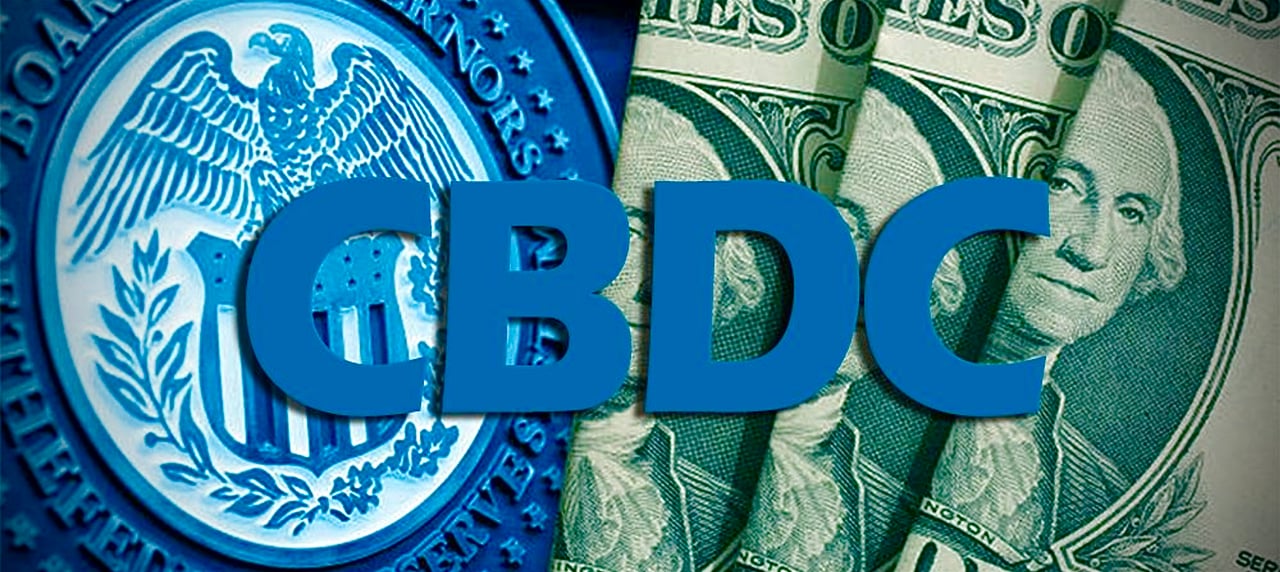
Strategic Integration of Stablecoins and Bitcoin: Sustaining U.S. Dollar Supremacy
Introduction
In an era characterized by rapid technological evolution, geopolitical transformations, and shifting economic landscapes, the United States finds itself at a crucial juncture. Maintaining the global dominance of the U.S. dollar amidst rising international efforts toward dedollarization has become a significant national imperative. Central to America’s response to these trends is the strategic incorporation of digital assets: specifically, stablecoins backed by U.S. dollars and Treasury bills, alongside a strategic embrace of Bitcoin. This section sets out the rationale and the measures taken.
Historical Context and Motivation
The supremacy of the U.S. dollar as the global reserve currency has conferred significant economic and geopolitical advantages upon the United States, facilitating international trade, enabling cheaper borrowing, and affording geopolitical leverage. However, recent international developments, notably the push for dedollarization led by BRICS nations, China, Russia, and other emerging economies, have underscored vulnerabilities inherent in the traditional dollar-centric international financial system. In response, the U.S. administration, regulators, and financial institutions have recognized digital assets, particularly stablecoins and Bitcoin, as critical instruments in maintaining the dollar’s hegemony.
Stablecoins as Instruments of Economic Stability
Stablecoins, digital currencies pegged to stable assets such as the U.S. dollar or Treasury bills, represent a transformative evolution in international finance. Unlike conventional cryptocurrencies, stablecoins offer the stability necessary for widespread adoption in commerce, trade, and investment. American banks have increasingly been encouraged by regulators to issue their own stablecoins, explicitly backed by reserves denominated either in dollars or high-quality liquid assets, predominantly U.S. Treasury bills. These rules require transparency, reserve adequacy, monthly reserve reports examined by a registered public accounting firm, and segregation of reserve assets.
Implementation and Regulatory Framework
The GENIUS Act, signed into law on 18 July 2025, created the federal framework under which banks and licensed non-banks may issue payment stablecoins. This act outlines requirements including:
- One-to-one backing by cash, bank deposits, short-dated Treasury bills, repos or government money market funds.
- Monthly public disclosure of reserves, certified by the issuer’s management.
- Transparency in reserve management.
- Mandatory risk management protocols.
This regulatory clarity significantly enhances institutional and consumer confidence, propelling widespread acceptance and integration of stablecoins into mainstream finance.
Strategic Bitcoin Reserves: The Digital Fort Knox
Further complementing the stablecoin initiative, the establishment of a U.S. strategic Bitcoin reserve signifies a critical shift in governmental perspective toward cryptocurrencies. The reserve was established by an executive order of President Trump on 6 March 2025 and is capitalised with bitcoin forfeited in criminal and civil proceedings. Further acquisitions are permitted only through budget-neutral strategies that impose no additional cost on taxpayers.
Geopolitical and Economic Implications
Countering Dedollarization
The intentional expansion of USD-backed stablecoins into global markets directly addresses dedollarization trends. By offering an efficient, secure, and transparent medium for cross-border transactions, stablecoins significantly reduce the transactional friction associated with traditional banking systems. This accessibility positions USD stablecoins as a preferred medium of exchange, particularly attractive in emerging economies with less stable domestic currencies.
Geopolitical Ramifications
Countries actively seeking alternatives to dollar dominance, notably China, Russia, and members of the BRICS coalition, face increased competitive pressure from the spread of USD stablecoins. By embedding stablecoins into the global financial fabric, the United States strategically ensures the continued dependency on the dollar, reducing incentives for alternative currency systems and preserving geopolitical influence.
Potential Risks and Mitigation Strategies
The adoption of stablecoins and strategic Bitcoin reserves introduces specific risks including market volatility, regulatory arbitrage, cybersecurity threats, and geopolitical backlash. Effective risk mitigation strategies include strong regulatory frameworks, international cooperation on standards, cybersecurity investments, consumer protection measures, and diplomatic engagement to ensure international acceptance.
Assessment
Whether stablecoins strengthen the dollar’s role remains open. Supporters point to the growing demand for dollar stablecoins abroad and for the Treasury bills that back them. Sceptics, including the BIS in its Annual Economic Report 2025, argue that stablecoins fall short of the tests of singleness, elasticity and integrity that sound money must meet.
In short
By integrating stablecoins and Bitcoin into its financial and strategic frameworks, the United States proactively addresses evolving global economic trends. Through careful regulatory stewardship, strategic foresight, and proactive implementation, the U.S. positions itself not only to sustain but enhance the global dominance of the U.S. dollar amid a rapidly transforming digital financial world.

Blockchain
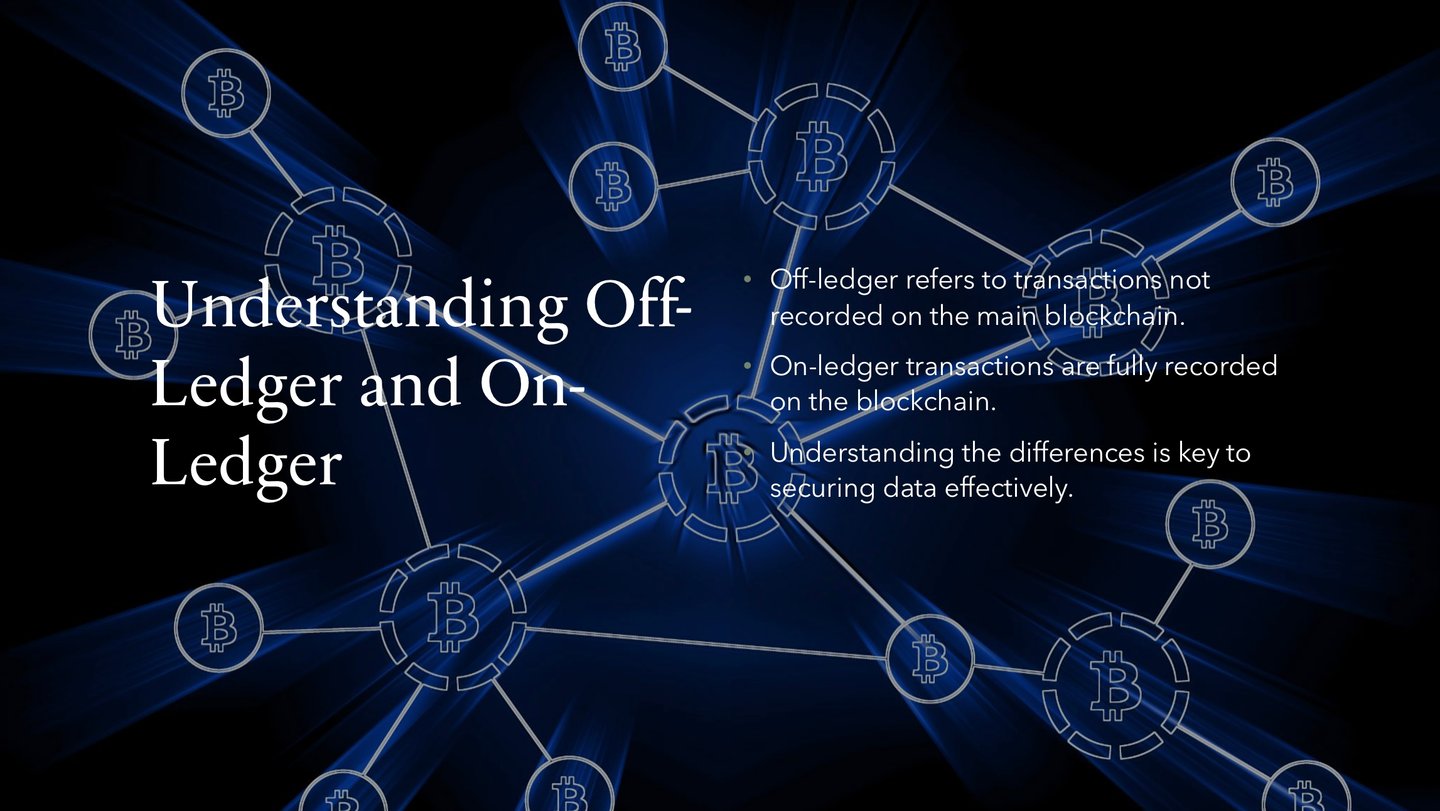
Ledger-to-ledger transfers, also known as inter-ledger transfers or ledger-to-ledger transactions, refer to the process of transferring value or assets between two distinct ledgers or distributed ledgers. Ledgers are essentially record-keeping systems that track transactions and ownership of assets, with distributed ledgers being decentralized versions of these systems, such as blockchain networks. The concept of ledger-to-ledger transfers is particularly relevant in the context of digital assets, cryptocurrencies, and financial technology (FinTech) innovations.
In a ledger-to-ledger transfer, the assets or value are moved from one ledger to another while ensuring that the transaction is properly validated, recorded, and settled in both ledgers. This process is more complex than a simple intra-ledger transfer (transferring value within the same ledger) and typically requires the involvement of intermediaries or specialized protocols to facilitate the transfer. The following are some key aspects of ledger-to-ledger transfers:
- Interoperability: One of the main challenges in conducting ledger-to-ledger transfers is ensuring that the two ledgers involved are compatible and can effectively communicate with each other. This requires a level of interoperability between the systems, which can be achieved through the use of standardized protocols, APIs, or data formats.
- Atomic Swaps: Atomic swaps are a specific type of ledger-to-ledger transfer technique that enables the exchange of cryptocurrencies between different blockchains without the need for a centralized intermediary, such as a cryptocurrency exchange. This is achieved through the use of smart contracts, which are self-executing agreements with the terms of the transaction directly coded into the contract. Atomic swaps ensure that the transfer is either completed successfully for both parties or not executed at all, preventing any potential loss of funds.
- Interledger Protocol (ILP): The Interledger Protocol is an open-source protocol designed to facilitate ledger-to-ledger transfers across different payment networks, including traditional financial institutions, digital asset networks, and distributed ledgers. ILP enables secure and efficient transfers by establishing a common standard for transactions while maintaining the integrity of the individual ledgers involved. This protocol allows for smooth value transfer between different ledgers, improving the overall efficiency and interoperability of payment networks.
- Cross-Chain Bridges: Cross-chain bridges are another method of facilitating ledger-to-ledger transfers, particularly between different blockchain networks. These bridges act as intermediaries that enable the transfer of tokens or assets from one blockchain to another by locking the assets on the originating chain and releasing equivalent assets on the destination chain. Examples of cross-chain bridges include the Wanchain protocol and the Polkadot ecosystem.
- Risks and Challenges: Ledger-to-ledger transfers involve certain risks and challenges, such as the potential for security vulnerabilities, the need for effective governance and consensus mechanisms, and the complexity of managing the interoperability between different systems. It is important for organizations and individuals engaging in ledger-to-ledger transfers to be aware of these risks and implement appropriate security measures to mitigate potential threats.
Distributed Ledger Technology in Banking
DLT, or Distributed Ledger Technology, is a system for recording and verifying transactions across multiple computers or nodes in a network. It is the technology that underpins cryptocurrencies like Bitcoin, but its applications extend far beyond just digital currencies.
Here’s a detailed explanation of DLT:
- Decentralization: DLT operates on a decentralized network of computers, often referred to as nodes. Unlike traditional centralized systems (like banks), there is no single authority or central server that controls the entire ledger. Instead, copies of the ledger are maintained independently by many participants in the network.
- Ledger: The “ledger” in DLT refers to a digital record or database that contains a history of all transactions. Each transaction is grouped into a block, and these blocks are linked together in a chronological chain, creating a blockchain.
- Transfer: In the context of DLT, a “transfer” typically refers to the movement of digital assets or data from one participant to another. This transfer can represent various things, such as cryptocurrency tokens, ownership of assets, contractual agreements, or any form of valuable information.
- Security: DLT systems use cryptographic techniques to secure transactions and ensure the integrity of the ledger. Once a transaction is added to the ledger, it is difficult to alter or delete without consensus from the network participants. This immutability makes DLT highly secure against fraud and tampering.
- Consensus Mechanisms: To achieve agreement on the state of the ledger among participants, DLT Distributed Ledger Technology employ consensus mechanisms. The most well-known is Proof of Work (PoW) and Proof of Stake (PoS), which validate and add new transactions to the ledger in a trustless manner.
- Types of DLT: DLT comes in various forms, including public and private. Public DLTs, like the Bitcoin blockchain, are open to anyone and are maintained by a distributed network of volunteers. Private DLTs are restricted to a specific group of participants and are often used by businesses for internal purposes.
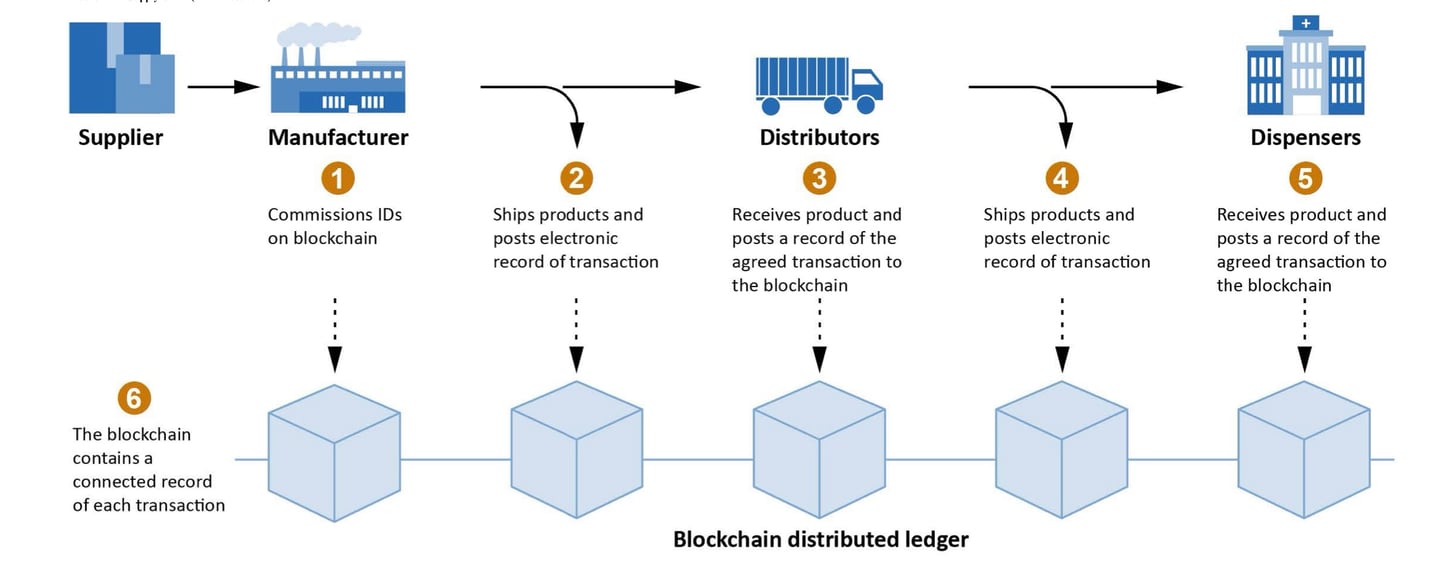
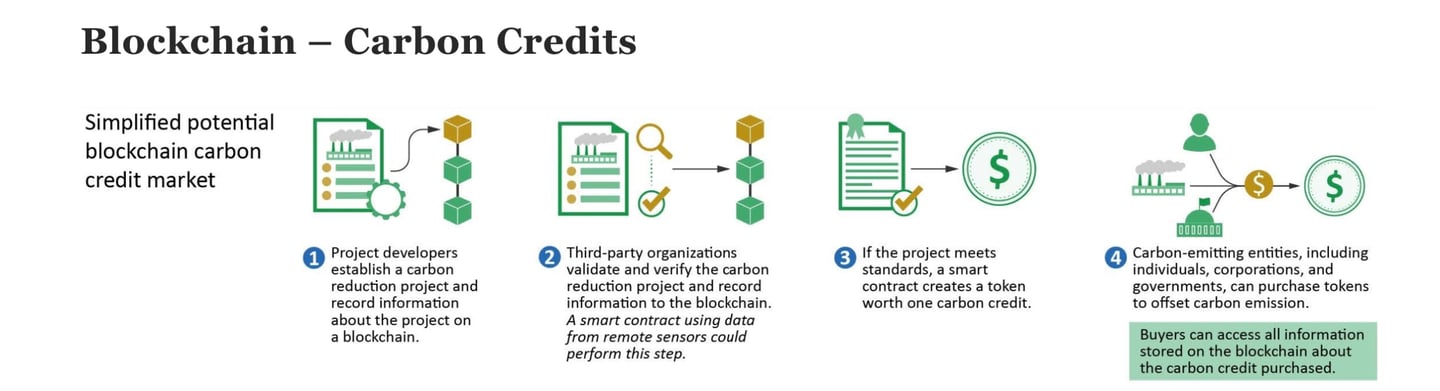
- Smart Contracts: Some DLT platforms support smart contracts, which are self-executing contracts with the terms of the agreement directly written into code. Smart contracts can automatically enforce and execute agreements when predefined conditions are met.
DLT has the potential to revolutionize various industries beyond finance, including supply chain management, healthcare, voting systems, and more, by providing transparency, security, and trust in transactions and data sharing. Its decentralized nature reduces the need for intermediaries and opens up new possibilities for innovation and efficiency.
Smart Contracts in Distributed Ledger
Bitcoin ETFs and the Potential for Price Manipulation: Lessons from Gold and Silver ETFs
As the cryptocurrency market continues to evolve and attract mainstream attention, the introduction of Bitcoin exchange-traded funds (ETFs) has been a topic of heated debate. While proponents argue that Bitcoin ETFs could facilitate broader institutional adoption and provide investors with a regulated and accessible investment vehicle, lessons from the gold and silver ETF markets raise concerns about the potential for price manipulation and distortion.
Critics have long argued that paper markets in gold and silver – futures, unallocated accounts and synthetic products – can influence the prices of the physical metals. The large physically backed ETFs, such as SPDR Gold Shares, hold allocated bullion in vaults; the concern applies above all to derivative and synthetic exposure.
The total amount of Bitcoin that can ever exist is capped at 21 million, a rule embedded in Bitcoin’s protocol by its creator, Satoshi Nakamoto, to prevent inflation. Close to 20 million bitcoins had been mined by 2026; new coins are still created through mining. The rate of new Bitcoin creation is halved approximately every four years in an event known as the “halving,” which gradually reduces the rate of new supply until the cap is reached, estimated to be around the year 2140.
The question is whether bitcoin could follow the same pattern. The US spot bitcoin ETFs approved by the SEC in January 2024 hold actual bitcoin with custodians, so they do not create synthetic supply themselves; futures, options and leveraged products on bitcoin and on these ETFs, however, do add paper exposure on top of a fixed supply of close to 20 million coins.
But the disparity between the influx of capital into Bitcoin ETFs and the actual holdings of physical Bitcoin raises concerns about the potential for price distortion and manipulation. If bitcoin exposure shifts towards derivatives and synthetic products, as happened in parts of the gold and silver markets, it could create an artificial supply that does not reflect the underlying market. While these financial products don’t increase the actual supply of Bitcoin, they can create what some might consider a “synthetic” inflation of Bitcoin’s liquidity – meaning there’s more capital moving around in the Bitcoin market than there might be Bitcoins available. This is akin to how fractional-reserve banking increases the supply of money beyond the actual physical currency in circulation. Leveraged products could amplify price movements and volatility in the bitcoin market. Short-term trading strategies and the creation of synthetic supply through derivatives could exert downward pressure on Bitcoin prices, distorting the true value of the underlying asset.
To mitigate these risks, it is essential for Bitcoin ETFs to maintain transparency and a commitment to holding substantial physical reserves of Bitcoin. Regulators and market participants should also closely monitor the activities of these ETFs and implement measures to prevent market manipulation and ensure fair price discovery.
Lessons from the gold and silver ETF markets underscore the importance of striking a balance between providing accessible investment vehicles and preserving the integrity of the underlying asset market. While Bitcoin ETFs could facilitate broader adoption, they should be designed and regulated in a manner that minimizes the potential for price distortion and manipulation.
As the cryptocurrency market continues to evolve, the introduction of Bitcoin ETFs presents both opportunities and challenges. By learning from the experiences of the gold and silver ETF markets, regulators and market participants can take proactive steps to mitigate the risks of price manipulation and ensure that Bitcoin ETFs accurately reflect the true value of the underlying asset. Transparency, appropriate regulation, and a commitment to holding substantial physical reserves of Bitcoin will be crucial in maintaining the integrity of the cryptocurrency market and promoting sustainable growth.
If you want to know more when tokens are considered securities or how to transfer funds through the Crypto system to your accounts with us, please get in contact with our director Maurice Wadhwa.



Next step
Request an introduction
Tell us in a few lines who you are and what you have in mind. Your enquiry goes directly to the bank and is treated in confidence.
Prefer to talk? Book a 30-minute videoconference.