Trading
Commodities
Commodity Trading
Commodity trading encompasses a broad spectrum of products that are essential for global economies, divided into categories such as metals, energy, and agricultural products. IFB provides access to these markets through key exchanges and trading venues around the world.
Commodities and Their Main Exchanges
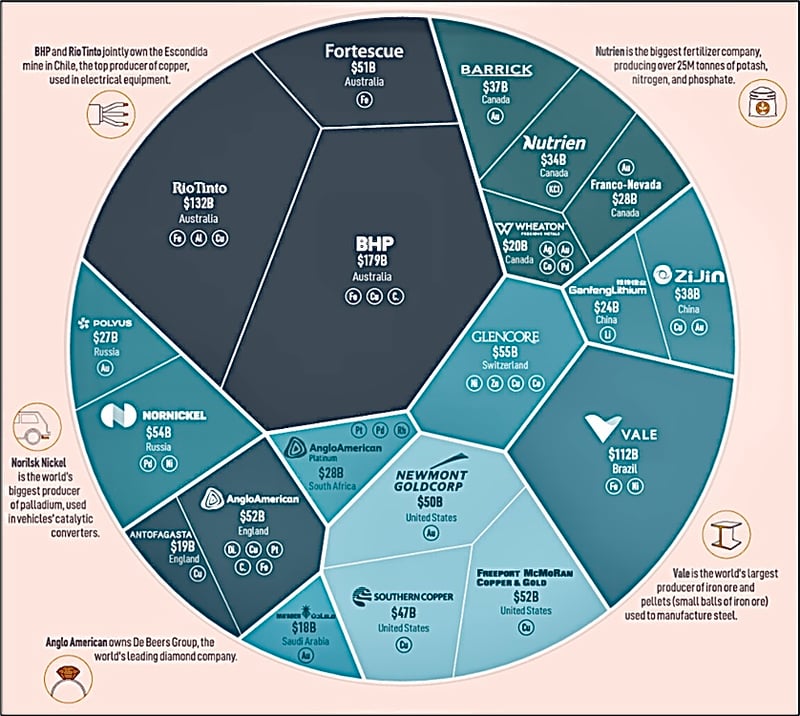
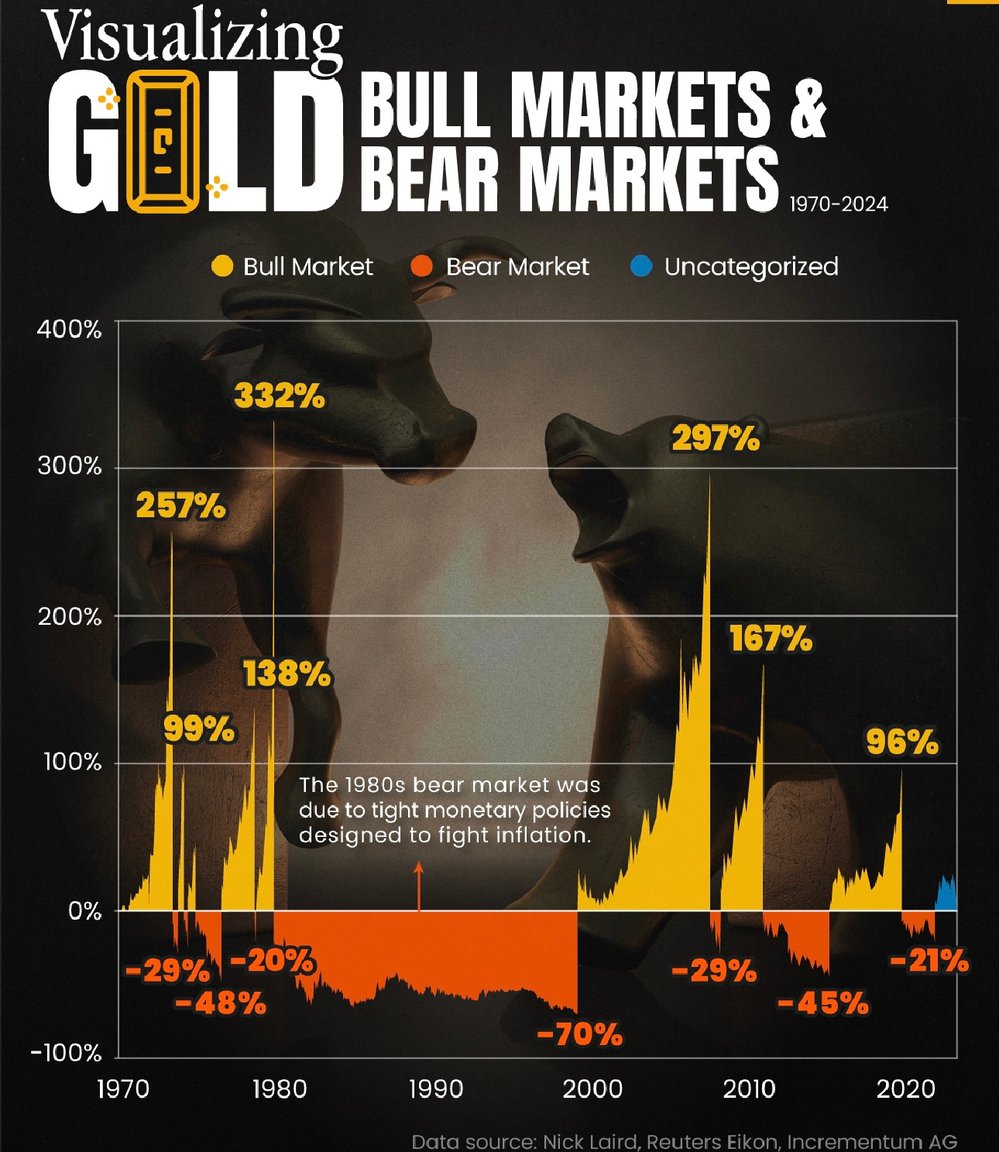
Metals: This category includes precious metals like gold and silver, which are primarily traded in the London over-the-counter market (under LBMA standards) and on COMEX in New York. Base metals like copper and aluminum are also significant, with trading hubs on the LME and the Shanghai Futures Exchange (SHFE).
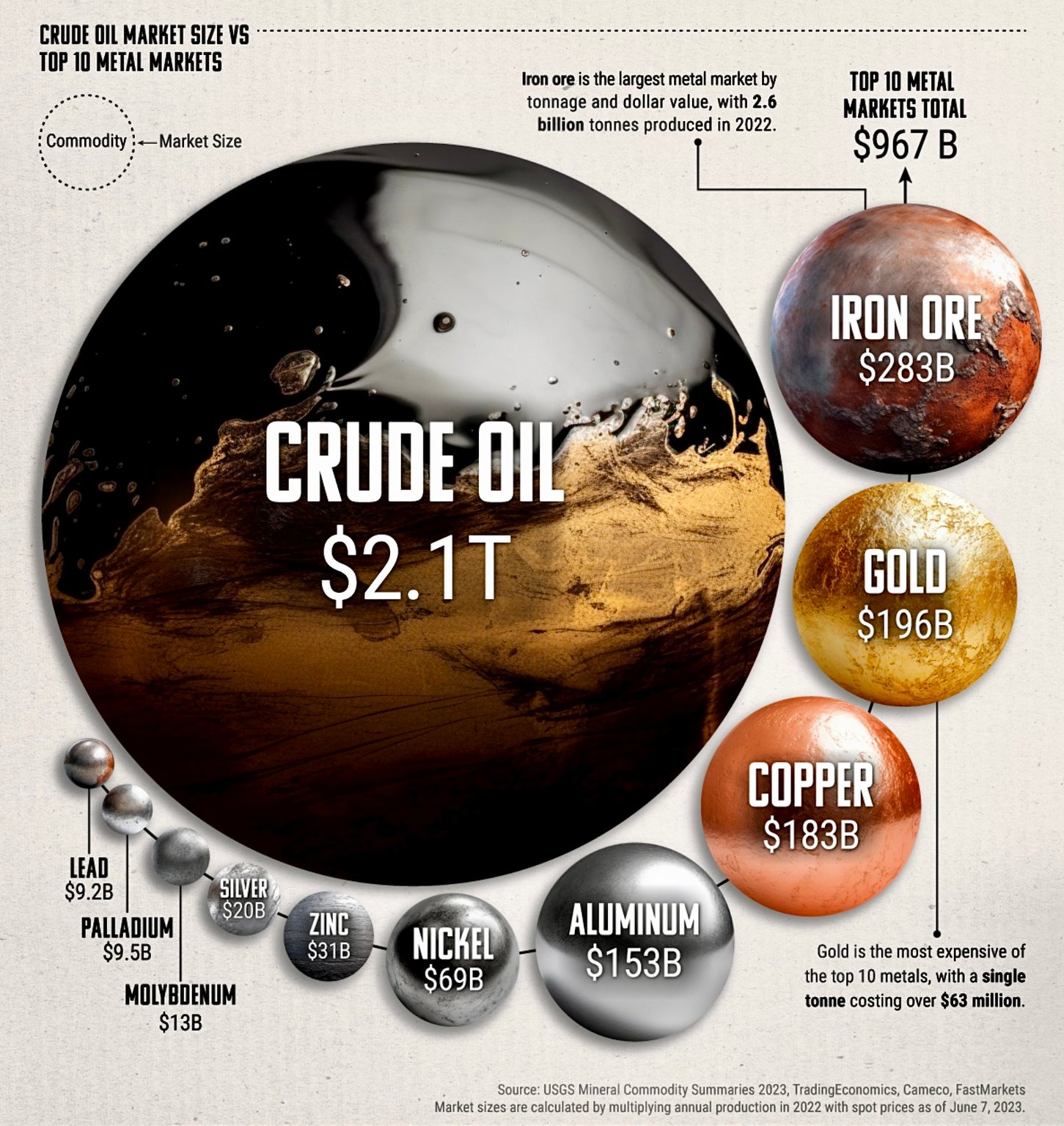
Energy: Crude oil, natural gas, and coal are decisive commodities within the energy sector, with primary trading on the NYMEX and the Intercontinental Exchange (ICE). Renewable energy certificates and carbon credits are emerging commodities, reflecting the sector’s evolving environment towards sustainability.
Agricultural Products: Grains (wheat, corn, soybeans), along with coffee, sugar, and cocoa, form the bulk of agricultural commodities. The Chicago Board of Trade (CBOT) and the Intercontinental Exchange (ICE) are key platforms for these trades.
Current Trends in Commodity Trading
The commodity trading environment is undergoing significant transformations, driven by a confluence of factors ranging from geopolitical events to environmental concerns and technological advancements. Here’s an in-depth look at the state of commodity trading and the strategic responses of institutions like IFB to these evolving trends.
Volatility and Risk Mitigation
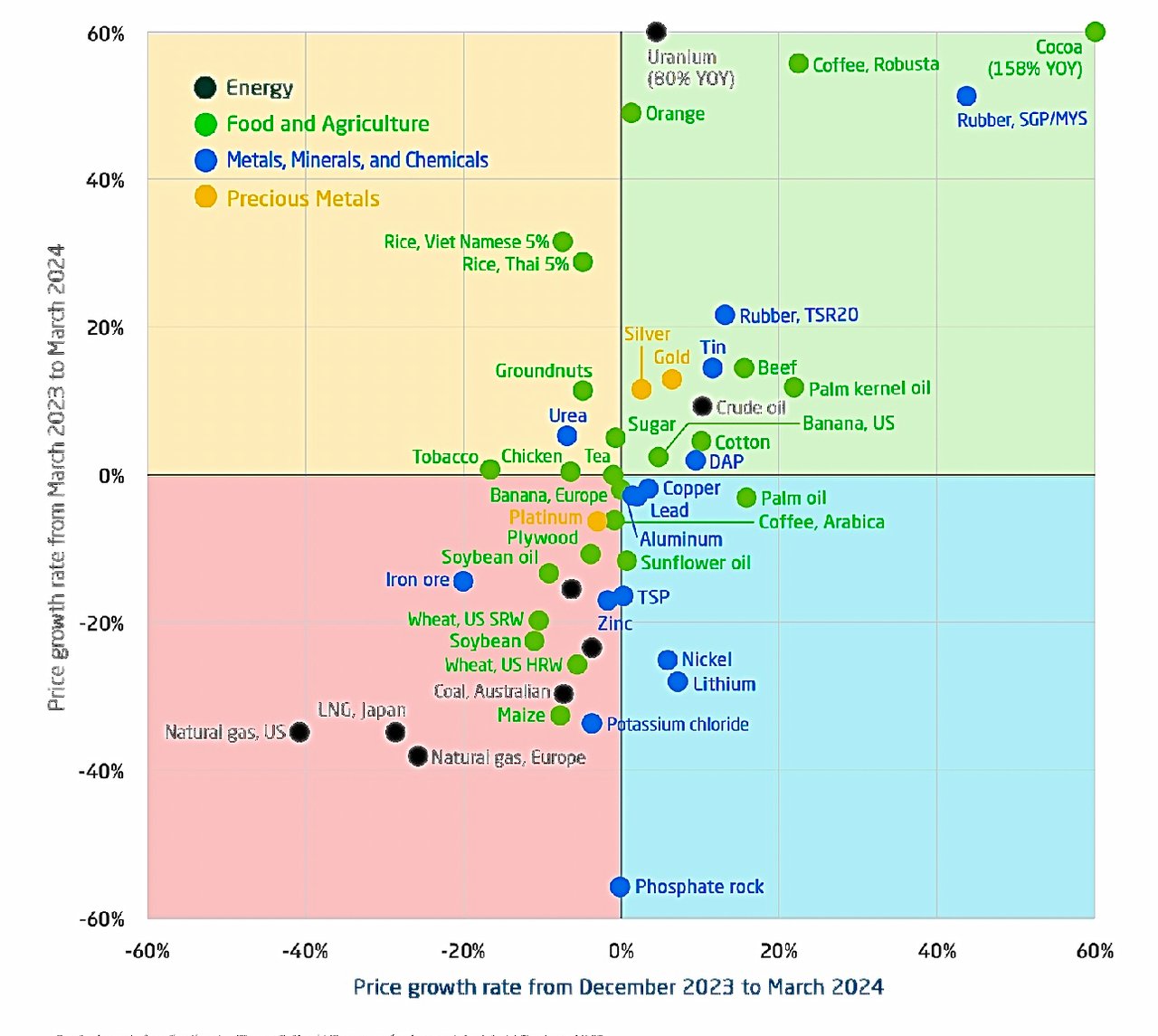
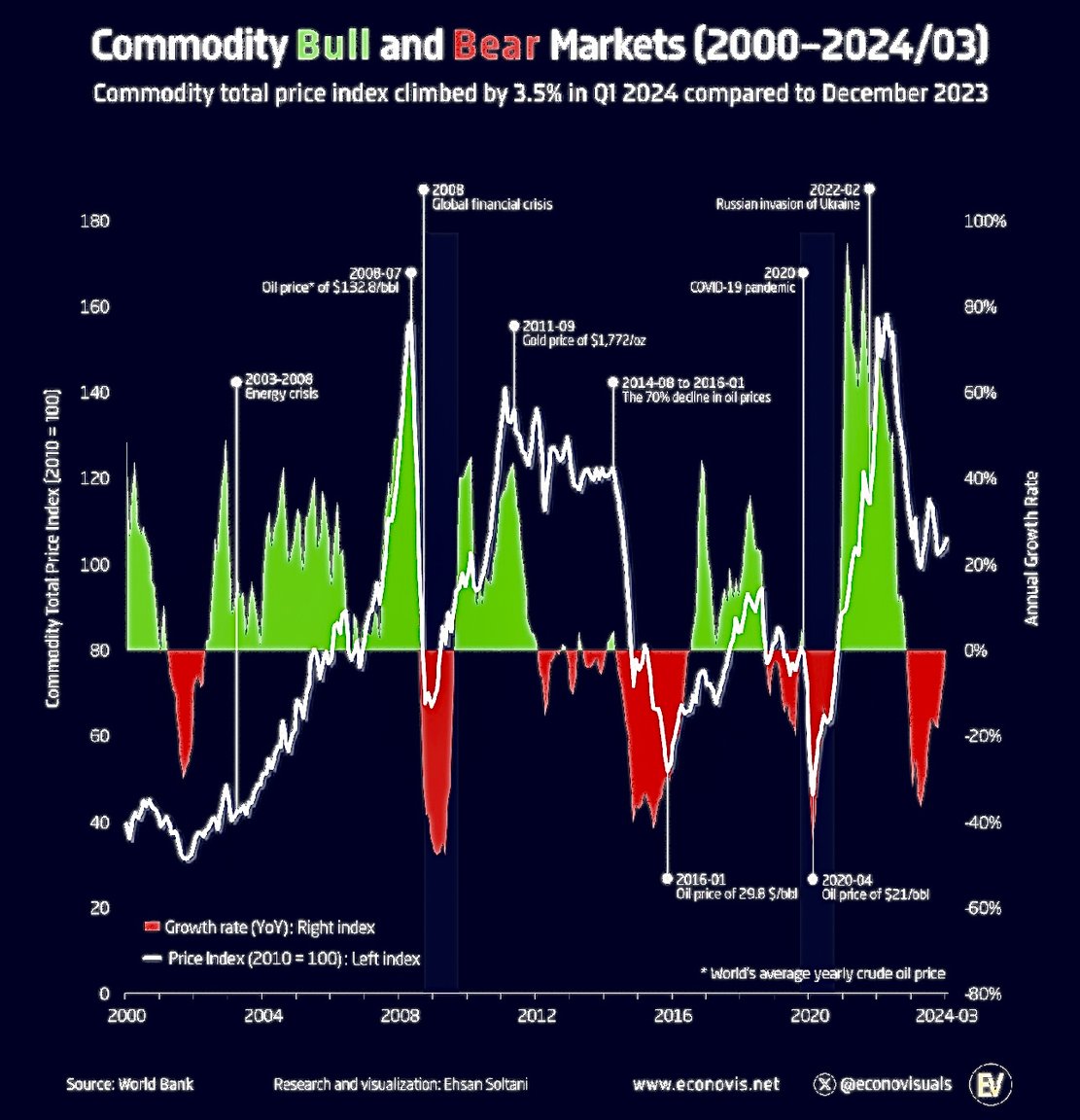
Commodity markets have been marked by pronounced volatility, spurred by a myriad of geopolitical developments, including ongoing conflicts and tensions, policy changes, and climate-related disruptions. Such volatility necessitates strong risk management strategies, integrating insurance risk capital and leveraging credit, political risk, and surety bond markets to create value and sustain trade across the commodity value chain .
Digital Transformation and Sustainability
Technological innovations continue to reshape the commodity trading environment. Blockchain, AI, and IoT are at the forefront, offering greater transparency, efficiency and security across transactions. These technologies facilitate real-time monitoring and analytics, enabling traders to make informed decisions and predict market trends with greater accuracy .
Simultaneously, sustainability and ESG (Environmental, Social, and Governance) criteria are increasingly influencing investment decisions and operational strategies. The global push towards sustainability, spurred by regulatory mandates and a collective moral imperative, emphasizes green commodities and sustainable trading practices .
Regulatory Environment and Supply Chain Resilience
Emerging regulations, particularly concerning environmental sustainability and digital assets, pose new compliance challenges and opportunities. Traders are required to adapt swiftly to these changes, with technology playing a crucial role in ensuring compliance and operational adaptability .
The importance of supply chain resilience has been underscored by recent global disruptions. Companies are diversifying their sourcing and logistics strategies, investing in digital tools for enhanced visibility and flexibility, to mitigate future risks and ensure operational strength against global shocks .
Strategic Insights for IFB
In response to these trends, IFB’s services in commodity trading continue to evolve. By focusing on:
- Advanced Risk Management: Implementing sophisticated tools and analytics to navigate market volatility effectively.
- Technological Integration: Embracing blockchain, AI, and IoT to enhance transaction security, market analysis, and supply chain monitoring.
- Adaptive Compliance and Supply Chain Strategies: Staying ahead of regulatory changes and fortifying supply chain resilience to maintain competitive advantage and operational integrity.
- Sustainability and Green Commodities: A significant trend is the shift towards sustainability, with an increasing focus on green commodities like carbon credits and biofuels. Traders and institutions are aligning their portfolios with environmental objectives, driving demand in this segment.
- Geopolitical Influences: Fluctuations in commodity prices are increasingly influenced by geopolitical events, trade policies, and regulatory changes. IFB’s analysis helps clients to assess these complexities.
IFB: A Complete Approach to Commodity Trading
IFB’s expertise spans across these commodities and trends, offering clients a full suite of services from trading and risk management to insightful market analysis and efficient post-trade processes. By understanding the particulars of each commodity and following the latest trends, IFB ensures that its clients are well-positioned to achieve their trading objectives in the dynamic commodity markets.
In short
As the commodity trading environment continues to evolve, IFB remains committed to providing its clients with the expertise and solutions needed to thrive. From the bustling floors of the world’s leading exchanges to the forefront of sustainability and technology trends, IFB is a committed partner in commodity trading.