Your Gold.
Your Terms.
Your Yield.
Allocated gold storage in Panama. Gold in euros: +216% over ten years, about 12% a year (EUR 37,394/kg on 24 Oct 2016, LBMA Gold Price PM; EUR 118,111/kg on 21 Oct 2026, 12:50 UTC spot). After euro-area inflation of 33.0% (Eurostat HICP, October 2016 to September 2026), the real gain is 137%, or about 9% a year. Plus a variable yield paid from a share of network transaction fees (not guaranteed). No storage fees. Full ownership. Past performance is not a reliable indicator of future results.

Do you want to sell Gold to us?
We consistently procure gold on an ongoing basis. You may download our standard Sales & Purchase Agreement (SPA) using the following link:
Precious Metal Accounts
A metal account, also known as a precious metals account or a gold account, is a type of account offered by some banks that allows clients to buy and sell precious metals, usually gold or silver, much like they would buy or sell foreign currency.
The specifics can vary, but here’s a general overview of how a metal account might work:
- Opening an Account: To start, you would open a metal account as a standalone account, or linked to a savings account.
- Buying Metals: Once your account is set up, you can buy precious metals. The price will be based on the current market rate, plus any commission or fees charged by the bank. When you buy, the bank will credit your account with the amount of metal you purchased.
- Holding Metals: The metal you buy is usually held in an unallocated or allocated account. In an unallocated account, you have a claim on a certain amount of metal, but it’s not specific bars or coins: it’s just part of the bank’s overall metal holdings. In an allocated account, specific bars or coins are set aside for you. Allocated accounts are more secure, but they often come with additional storage and insurance fees.
- Selling Metals: When you want to sell, the bank will debit the amount of metal from your account and credit you with the cash equivalent, based on the current market rate.
- Physical Delivery: We offer the option to take physical delivery of the metal. This means you can convert your metal balance into physical bars or coins, which you can take possession of. This usually involves additional fees.
A metal account can be a way to invest in precious metals without having to store and insure physical bars or coins yourself.
The types of precious metals that can be stored in your precious metal account are:
- Gold: Gold is by far the most common precious metal held in our types of accounts. Gold is a popular investment due to its historical use as a store of value and its relative stability compared to many other forms of investment.
- Silver: Silver is another commonly held metal. While it is typically less valuable per ounce than gold, it has many industrial uses and can be a valuable investment.
- Platinum: Platinum is a valuable metal that is often held in precious metal accounts. It is rarer than gold and silver, and it has many industrial uses, especially in the automotive industry.
- Palladium: Palladium, like platinum, is a rare and valuable metal that is often used in industry, particularly in catalytic converters for cars.
- Rhodium: Rhodium is a rare and valuable metal often used in the automotive and jewelry industry. Some banks may offer it as an option in a metal account.
Safeguard Your Gold Assets
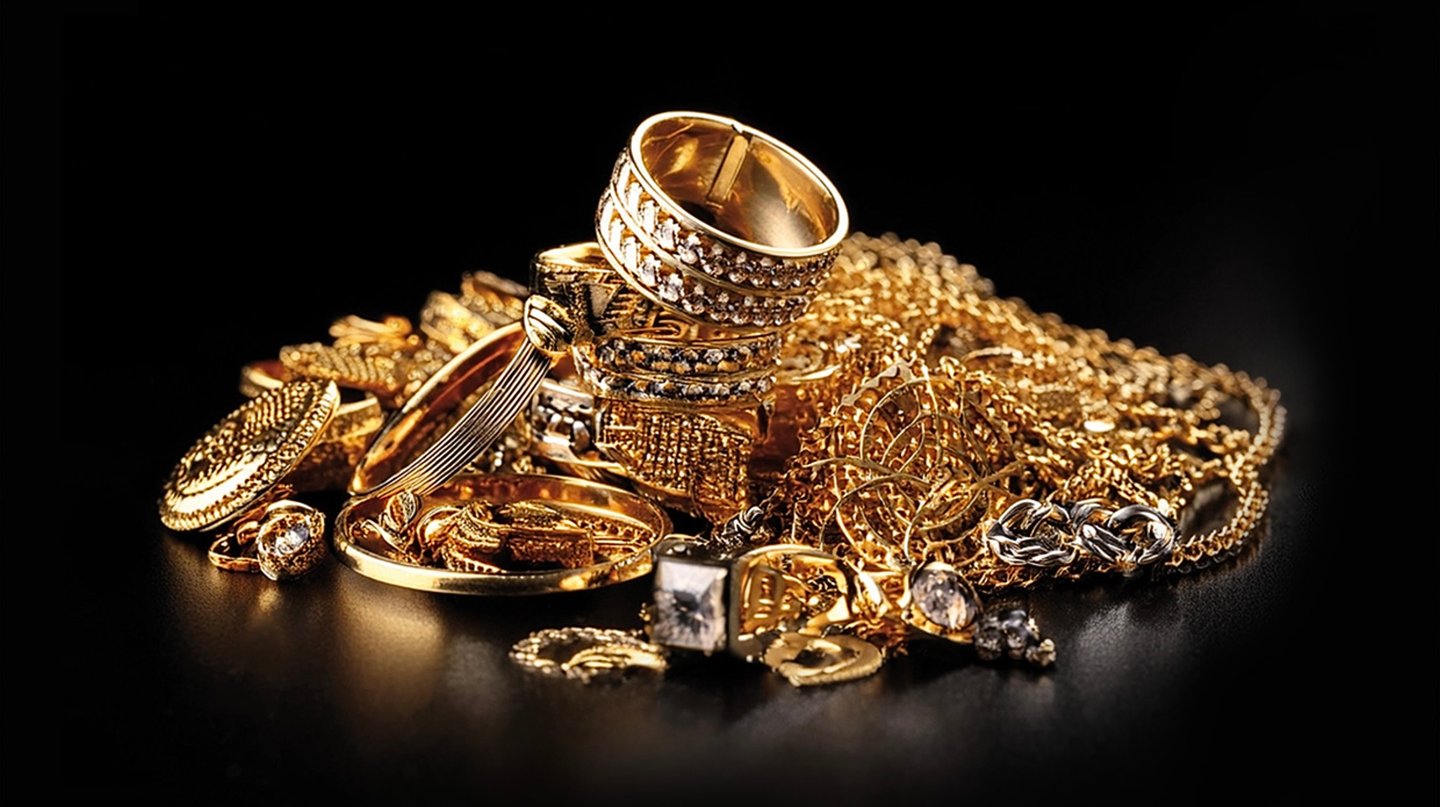
In an era where economic landscapes are perpetually shifting and geopolitical tensions can impact financial markets, gold remains a paragon of stability and a venerable instrument of wealth preservation. For residents of countries with import duties or restrictions on gold, holding gold abroad can be a lawful alternative – provided the home country’s rules are observed, for example India’s Liberalised Remittance Scheme and its foreign-asset reporting requirements. Our International Gold Safe-Vault Services are offered on that basis.
Our Proposition: Security and Accessibility Redefined
We have conceived our safe-vault services with the utmost attention to the exigencies and preferences of discerning investors. Situated in geopolitically stable locations, the vaults are operated to high security standards and fully insured.
Unfettered Access to Your Holdings
In alignment with our ethos of providing exceptional client service, we proffer two modes of access to cater to the distinct requirements of our clientele:
Direct Physical Access:
Clients may opt to visit our vaults for a tangible engagement with their assets. This facility is available by appointment, affirming our commitment to confidentiality and personalized service.
Digital Transactional Access:
Acknowledging the dynamism of the gold market, our platform facilitates immediate transaction orders for the sale or acquisition of gold. This service is designed for investors seeking to optimize their portfolio’s performance in real-time, supported by our expert team’s execution capabilities.
Distinguished Advantages of Our Service
- Strategic Global Presence: Vaults are located in jurisdictions chosen for security and legal certainty.
- Paramount Security Standards: Advanced security technology, dual control and insurance protect your assets.
- Customised Flexibility: Our service is tailored to grant investors autonomy in managing their holdings, be it through personal oversight or digital directives.
- Transparent Operations: Integrity and transparency are the cornerstones of our operations, guaranteeing a straightforward and trustworthy partnership with no concealed contingencies.
Elevate Your Investment Strategy with Secure Storage Solutions
In the volatile domain of international finance, securing your gold investments with a partner that offers not just security but strategic advantage is essential. Our International Gold Safe-Vault Services stand as your bulwark against the uncertainties of gold acquisition and storage in restrictive regimes. We not only offer a sanctuary for your assets but also enable you to manage the market’s fluidity with confidence and strategic insight.
Discover our gold custody services. Reach out to us to explore how we can facilitate the safeguarding and enrichment of your gold portfolio.

Discover our Gold Standard of Investment with IFB’s Precious Metals Accounts
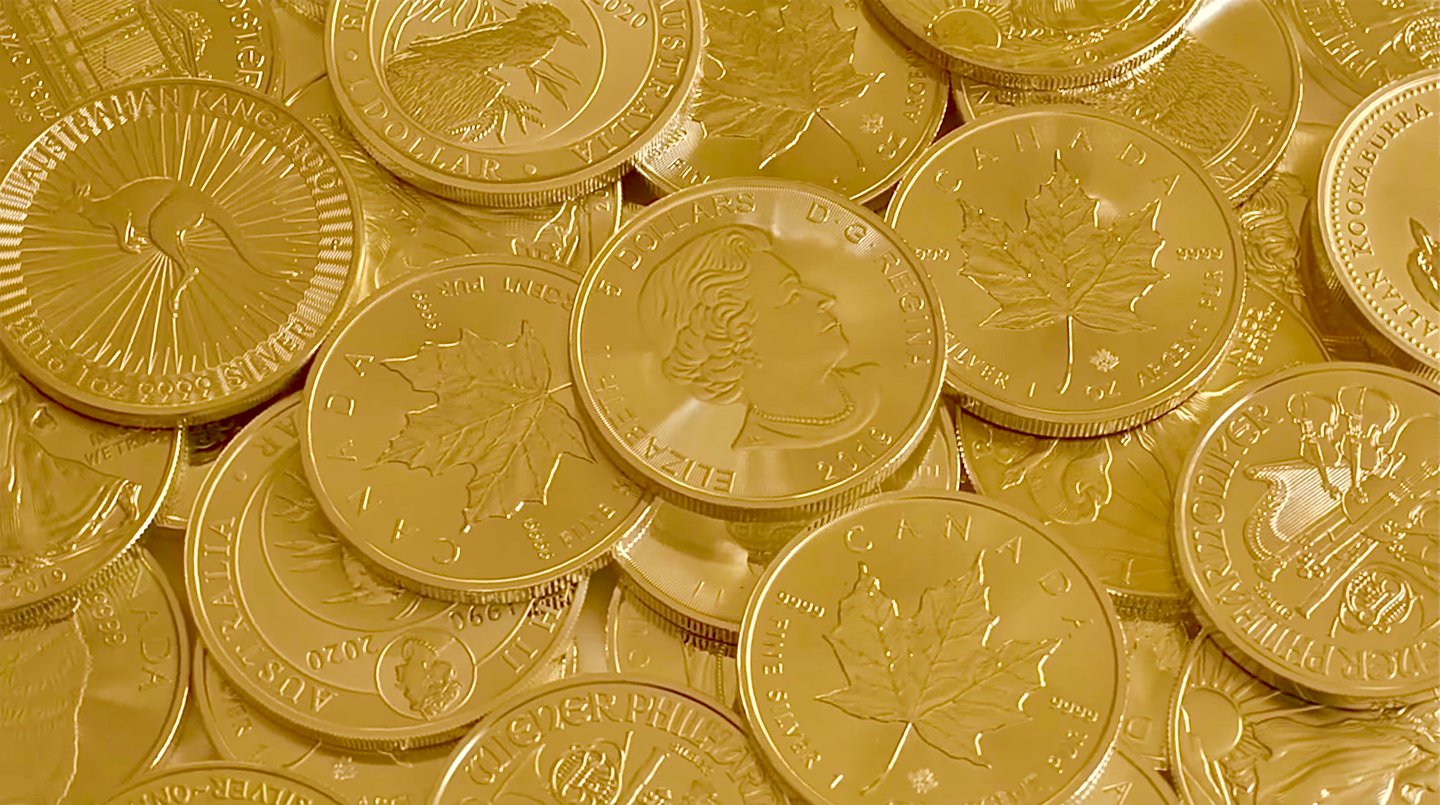
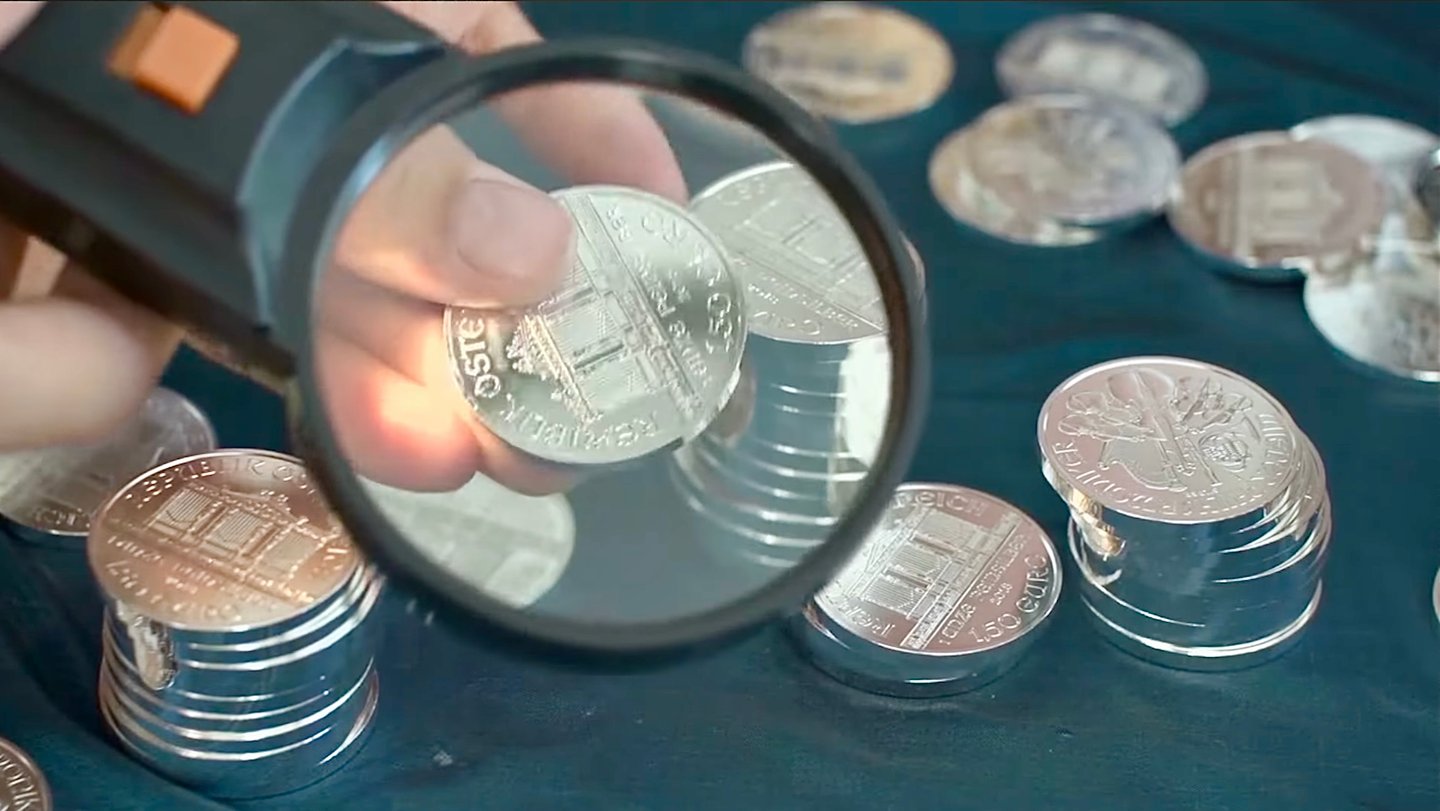
In the changing world of investments, securing your wealth with tangible assets like precious metals remains a timeless strategy. IFB’s Precious Metals Accounts are designed for investors who seek both the lustre of gold and the solidity of a bank vault, combining security and flexibility.
A Fortress for Your Wealth
Security is not just a feature at IFB; it’s a promise. Our vaulting partners keep your precious metals under constant surveillance and strict access control. Rest easy knowing that your investments are protected by advanced technology and a legacy of trust.
Investment, Tailored to You
Whether you’re drawn to the steady allure of gold, the industrial charm of silver, or the rare prestige of platinum and palladium, our Precious Metals Accounts cater to every preference. Each account is a gateway to:
- Direct Ownership: Physical precious metals, directly attributed to you.
- Real-time Management: A digital interface that puts control at your fingertips, offering real-time access to account details, transaction histories, and market insights.
- Flexibility and Liquidity: Options to add to your holdings or liquidate your assets with ease, responding agilely to market changes or personal needs.
The IFB Advantage
Choosing IFB means partnering with a financial institution that understands the unique value of precious metals in a diversified portfolio. Our experts are dedicated to providing personalized advice, ensuring your investments not only preserve wealth but also offer the potential for growth. With IFB, you’re not just opening an account; you’re opening a world of possibilities.
Secure Your Legacy Today
In a world of fleeting opportunities, the enduring value of precious metals stands firm. With IFB’s Precious Metals Accounts, you gain more than just a safe haven for your investments; you embrace a partnership that’s as committed to safeguarding your wealth as you are. Invest with IFB.


Our Vaulting Facilities
for your convenience with Malca Amit

Physical Gold, Silver and Basel III
Gold under the Basel framework. Gold held in a bank’s own vaults or in allocated custody can be given a 0% risk weight for credit-risk purposes, to the extent that it is matched by corresponding gold liabilities and the applicable prudential rules provide for it. This option already existed under the Basel Accord of 1988, at national discretion. It does not mean that gold is treated like cash in every respect, nor that it is recognised as Tier 1 capital or as a high-quality liquid asset (HQLA) for the Liquidity Coverage Ratio. Separate market-risk requirements continue to apply.
What Basel III changed. The Net Stable Funding Ratio, in force in the EU since June 2021 and in the UK since January 2022, requires banks to fund 85% of the value of their gold holdings with stable funding. The bullion industry argued that this raises the cost of unallocated gold business, which is one reason why banks increasingly prefer allocated structures.
Allocated, unallocated and “paper” gold. Allocated metal consists of identified bars that remain the client’s property and are kept separate from the bank’s own assets. Unallocated metal is a claim against the bank, comparable to a deposit. Physically backed exchange-traded products such as SPDR Gold Shares (GLD) and the iShares Silver Trust (SLV) hold allocated bars with custodians; their investors own shares in a trust, not the bars themselves. Futures, such as those traded on COMEX, provide price exposure; most positions are closed or rolled before delivery.
Paper metal and physical metal
Claims on gold and silver – unallocated accounts, futures, forwards and other derivatives – far exceed the metal that physically backs them. Unallocated metal is a claim on the bank, like a deposit, and futures are mostly settled in cash or rolled over. In normal markets this works because holders rarely demand delivery all at once. Under stress, it does not.
- October 2025: silver broke its 1980 record above USD 50 per ounce; in London, the one-month lease rate for borrowing silver rose to about 39% on 9 October, against less than 1% normally, because metal available for delivery had run short. About 225 million ounces had moved from London to CME vaults in New York between December 2024 and early October 2025.
- End of September 2025: of the silver in London vaults, about 83% was held by physically backed ETFs; the freely available remainder was estimated at about 136 million ounces – less than a third of an average day’s London OTC turnover of about 450 million ounces.
- January 2026: silver reached a record of USD 121.67; at the end of the month it fell by more than a third within one session, amid higher CME margin requirements.
- June 2026: London vaults held 9,464 tonnes of gold and 28,082 tonnes of silver, while net clearing averaged about 519 tonnes of gold and almost 6,000 tonnes of silver every day (LBMA). Gross trading is a multiple of net clearing.
Large banks are central to this market as market makers, clearers and custodians – JPMorgan, for example, is the custodian of the iShares Silver Trust. In 2020 JPMorgan agreed to pay USD 920 million to settle U.S. charges of manipulating precious-metals futures through “spoofing” between 2008 and 2016. For investors, the practical lesson is simple: only allocated metal – identified bars held in the client’s name, outside the bank’s balance sheet – is independent of the solvency and liquidity of the bank or exchange. This is the basis of IFB’s allocated storage.
Why hold physical metal through a bank. Allocated holdings combine direct ownership of identifiable bars with professional storage, insurance and the ability to sell or take delivery. Storage and insurance carry costs, and the price of gold and silver can fluctuate considerably.
Offering 24/7 Trading and Physical Delivery Across Global Metal Exchanges
Smooth Access to Global Metal Markets
IFB provides access to the main global precious-metals markets. Because these markets are spread across time zones, trading is possible around the clock on business days.
Complete Coverage of Leading Exchanges
We facilitate trading on the following markets:
- London over-the-counter market (LBMA standards; the LBMA is a trade association, not an exchange)
- COMEX (Commodity Exchange Inc.)
- Shanghai Gold Exchange (SGE)
- Osaka Exchange (precious metals transferred from TOCOM in July 2020)
- Singapore Exchange (SGX)
These platforms are instrumental in the global metals market, each offering unique advantages and access to a variety of metal products including gold, silver, platinum, and palladium.
Expertise and Support
Our team of experts is dedicated to supporting clients through every step of the trading process. With extensive knowledge of market trends and regulatory environments, we provide insightful guidance to ensure informed trading decisions.
Flexible Physical Delivery Options
In addition to trading capabilities, IFB offers flexible physical delivery options. Clients can choose to have their metals delivered from either Europe or Singapore, depending on their logistical needs and strategic interests. This service underscores our commitment to accommodating the diverse preferences and requirements of our global clientele.
Secure and Efficient Transactions
Security and efficiency are foremost at IFB. We employ advanced technology to facilitate secure transactions and ensure the integrity of every trade. Physical delivery is handled by specialised, insured logistics providers.
Join Us
Explore the advantages of 24/7 metal trading and reliable physical delivery with IFB. Contact us to access the global metals markets.
For more information and to start trading, contact our customer service team.
IFB – Your Gateway to Global Metal Trading


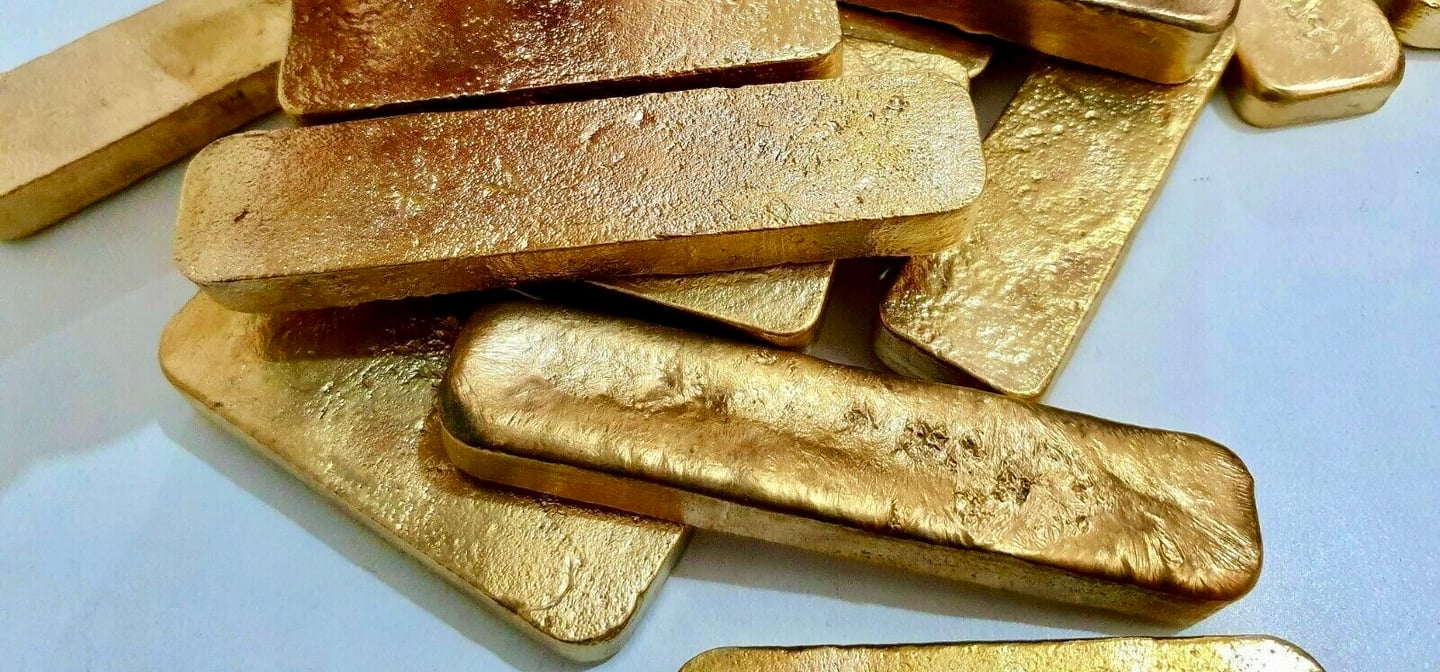
Complete Guide to Importing Dore Bars into Europe and Your Accounts
Importing dore bars, which are semi-purified gold and silver bars, into Europe involves managing a complex array of regulations, conditions, tariffs, and VAT requirements. This guide provides a detailed overview of the necessary steps and compliance measures to ensure a smooth and lawful importation process.
Customs Regulations
Union Customs Code (UCC) – Regulation (EU) No 952/2013
The UCC establishes the legal framework for customs procedures and operations in the EU. Importers must submit detailed import declarations, including accurate descriptions, weights, and values of the dore bars. Compliance with appropriate tariff classifications under Chapter 71 of the Harmonized System (HS) Code is essential. Dore bars are typically classified under HS Code 7108.12 for unwrought non-monetary gold.
Value-Added Tax (VAT)
Council Directive 2006/112/EC on the common system of VAT
Gold products, including dore bars, may be subject to VAT unless classified as investment gold. Investment gold, defined under Article 344 of the VAT Directive (bars or wafers of a purity of at least 995 thousandths), is exempt from VAT. Doré, being unrefined, rarely meets this definition; for gold material of a purity of 325 thousandths or more supplied between taxable persons, Member States may apply the reverse charge (Article 198(2)). The VAT rates vary by EU member state, typically ranging between 17% and 27%.
Origin Documentation
Non-Preferential Rules of Origin
Governed by the Union Customs Code and its Implementing Regulation (Commission Implementing Regulation (EU) 2015/2447), importers may need to provide certificates of origin to prove compliance with non-preferential origin rules. Origin determines the applicable trade measures; responsible-sourcing checks are a separate obligation (see below).
Assay and Quality Standards
Assay and hallmarking There is no single EU regulation on the purity of imported precious metals; assaying and hallmarking are governed nationally and, in several countries, by the Hallmarking Convention of 1972. Importers should provide assay certificates from recognised laboratories or refineries verifying the purity and weight of the doré bars.
Regulatory Compliance
REACH Regulation (EC) No 1907/2006
This regulation governs chemical substances placed on the EU market; refiners should check whether impurities contained in doré trigger obligations.
Anti-Money Laundering Directive (AMLD) – Directive (EU) 2015/849, to be replaced by the AML Regulation (EU) 2024/1624 from July 2027. These rules require full AML and KYC compliance to prevent financial crimes associated with precious metals. Importers must maintain thorough documentation and verification of the supply chain and involved parties.
Environmental and Ethical Considerations
Regulation (EU) 2017/821 on Conflict Minerals Since 1 January 2021, this regulation obliges EU importers of gold above an annual volume threshold (100 kg for gold ores and doré) to conduct due diligence on their supply chains to ensure that they are not sourcing from conflict-affected areas. Importers must adhere to the OECD Due Diligence Guidance for Responsible Supply Chains to ensure ethical sourcing practices.
Tariffs and VAT Conditions
Common External Tariff (CET)
Dore bars are subject to the CET applied by the EU. The tariff classification under HS Code 7108.12 for unwrought non-monetary gold currently generally has a 0% tariff rate, facilitating trade in necessary raw materials.
Investment Gold Exemption Investment gold, which meets the purity requirements (at least 995 thousandths for bars), is exempt from VAT across the EU. Each member state may have specific provisions or additional documentation requirements to claim this exemption.
Specific Member State Conditions
Germany
- VAT Rate: Standard rate of 19%.
- Investment Gold: Exempt from VAT if it meets the purity requirements.
France
- VAT Rate: Standard rate of 20%.
- Investment Gold: Exempt from VAT under the same conditions as the EU Directive.
Italy
- VAT Rate: Standard rate of 22%.
- Investment Gold: Exempt from VAT if purity conditions are satisfied.
United Kingdom (Post-Brexit)
- VAT Rate: Standard rate of 20%.
- Investment Gold: Exempt from VAT if it meets the criteria for investment gold.
Compliance Procedures and Documentation
Import Declarations
Importers must complete and submit the Single Administrative Document (SAD) through relevant electronic customs systems. This declaration includes detailed information about the dore bars, including their classification, value, and origin.
Certificates and Assay Reports
Importers must provide certificates of origin and assay certificates verifying the purity and weight of the dore bars. These certificates are typically issued by recognized laboratories or refineries.
AML and KYC Documentation
Importers must adhere to AML and KYC regulations by maintaining full customer due diligence (CDD) records and continuously monitoring transactions to detect and prevent suspicious activities.
Transport and Logistics
Secure Transportation
Given the high value of dore bars, secure transport arrangements are crucial. This often involves specialized logistics providers experienced in handling precious metals. Complete insurance coverage is necessary to cover potential risks such as theft, loss, or damage during transit.
Key Steps for Importing Dore Bars
- Pre-Import Preparation
- Identify and Verify Suppliers: Conduct due diligence on suppliers to ensure they meet all regulatory and ethical standards.
- Obtain Necessary Documentation: Gather certificates of origin, assay reports, and any other required documentation.
- Apply for Import Licenses: If necessary, obtain any specific import licenses or permits required by the destination country.
2. Customs Clearance
- Submit Import Declaration: Complete and submit the Single Administrative Document (SAD) through the relevant electronic customs system.
- Pay Duties and Taxes: Calculate and pay any applicable customs duties, VAT, and other taxes.
- Undergo Inspections: Be prepared for any customs inspections or audits that may be conducted.
3. Post-Import Compliance
- Maintain Records: Keep detailed records of all import transactions and related documentation.
- Monitor Compliance: Continuously monitor and update compliance procedures to ensure adherence to all relevant regulations.
In short
Importing dore bars into Europe is a complex process that involves managing a range of regulatory requirements, customs procedures, and ethical considerations. By adhering to the detailed laws and conditions outlined above, importers can ensure a smooth and lawful importation process while maximizing the benefits of any available tariff reductions and VAT exemptions.
By meticulously following these guidelines, importers can effectively manage the complexities of bringing dore bars into Europe, ensuring both regulatory compliance and operational efficiency.



Next step
Request an introduction
Tell us in a few lines who you are and what you have in mind. Your enquiry goes directly to the bank and is treated in confidence.
Prefer to talk? Book a 30-minute videoconference.