
Crypto & Digital Assets
Crypto Deposits
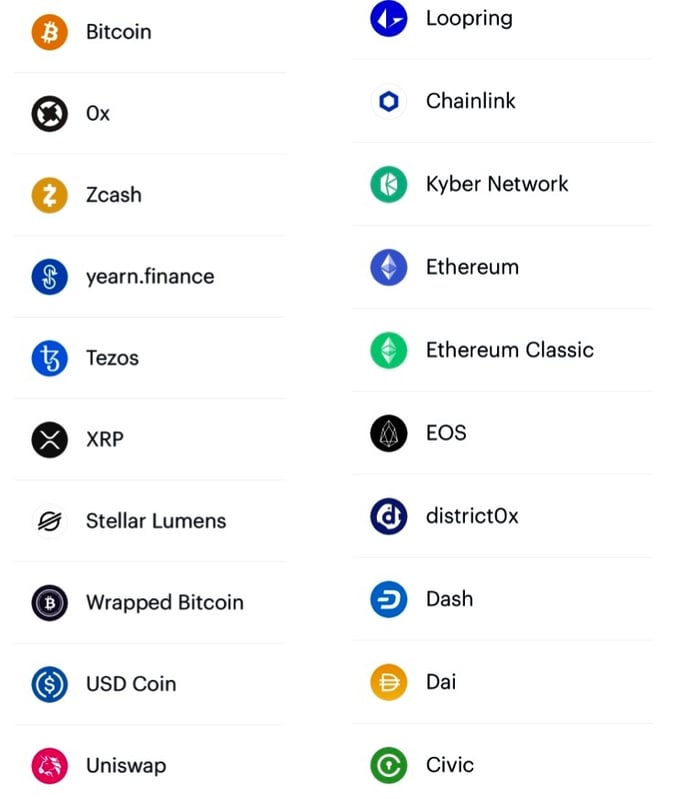
Transfers to your accounts per Cryptocurrencies
We can accept all major cryptocurrencies and many more for your transfer.
Get in touch with us, we will create a special wallet for your transfer to your accounts.
For Crypto-Transfers to IFB please utilize:

BTC Bitcoin
Bitcoin Blockchain
bc1qznyaujjdzmgyykxkqswgyujh6va0hssevhjt88

ETH Ethereum
Ethereum Blockchain
0x1AE5004a8f3C8f13584Ef5c9795Dc5BEC7ba0d94

USDT Tether
Ethereum Blockchain
0x9F8af5EcFF9e016253747757Bb3fe4d9D808E2cf

XRP Ripple
XRP Blockchain
r9MtWT4RD8dEbxwuwwmpbvXqed5TAp4Rp7

SOL Solana
Solana Blockchain
84boS5JcHDpGBwn93BPmQ21mkJnXkzAp3FGejqceozTA

DOGE Coin
DOGECOIN Blockchain
DL1eHYZoFQ8nSALH13nSDJhYV1Q43gEHXP

XLM STELLAR
STELLAR Blockchain
GASGRFWP6MINHL7OGGKWLCWT5ZPEJFF4UPCJN27HULOBRER5XWR75MSM

ADA Cardano
Cardano Network
addr1qxek26qdvww0n6d7ufn4kpmgvccfnltuyz0e43xwma30s2s8q29stcekzn3tcmqvgzgflndccs6cf3k4pp2a42rhl8mq9wdg0k

AVAX Avalanche
Avalanche C-Chain
0x1AE5004a8f3C8f13584Ef5c9795Dc5BEC7ba0d94

Tron
Tron Blockchain
THeMSdodgcpCgZYb9hUNXpCjBCc9EBNVBb

BNB
Binance Smart-Chain
0x1AE5004a8f3C8f13584Ef5c9795Dc5BEC7ba0d94

DOT
Polkadot-Blockchain
14Lj8xbqkNAQRioDrXb7WEii2gUGysN3gAEBiRKCvgMKvy1T

The process of transferring cryptocurrencies from one wallet to another and the security measures in place.
Cryptocurrency transactions involve the transfer of digital assets between two parties, usually represented by their wallet addresses. A wallet is a digital tool that stores the user’s public and private keys, allowing them to interact with the blockchain.
Here’s an overview of the transfer process:
- Initiation: The sender initiates the transaction by specifying the recipient’s wallet address, the amount to be transferred, and setting a transaction fee. The transaction fee is an incentive for miners or validators to prioritize the transaction for processing.
- Transaction signing: The sender’s wallet software signs the transaction using the private key associated with the wallet. The private key is essential to prove the sender’s ownership of the funds and to authorize the transaction. This signature is included in the transaction data.
- Broadcasting: Once the transaction is signed, it is broadcasted to the network, where nodes (computers participating in the blockchain) receive and validate it.
- Validation & Consensus: Miners or validators verify the transaction’s validity by checking the sender’s wallet balance, the recipient’s address, and the digital signature. If everything is in order, the transaction is placed in a pool of pending transactions. Miners or validators select transactions from this pool and include them in a new block, following the consensus protocol specific to the cryptocurrency in question (e.g., Proof of Work, Proof of Stake).
- Block confirmation: Once a block containing the transaction is added to the blockchain, the transaction is considered confirmed. Most cryptocurrencies require multiple confirmations to ensure the transaction is secure and irreversible. The number of confirmations needed varies depending on the specific cryptocurrency.
The security of a cryptocurrency transfer is ensured by several factors:
- Cryptographic signatures: The use of private keys and digital signatures makes it almost impossible for a malicious actor to forge a transaction or access the sender’s funds without the private key.
- Consensus protocols: The decentralized nature of blockchain networks requires validators or miners to reach consensus on the state of the blockchain. This makes it highly resistant to manipulation by a single party.
- Confirmation process: Multiple confirmations required for a transaction to be considered secure make it harder for attackers to execute a double-spend attack or attempt to reverse a transaction.
- Network effect: The more participants in a blockchain network, the more secure it becomes, as it becomes increasingly difficult for an attacker to gain control over the majority of the network.
However, it’s essential to keep in mind that the security of a cryptocurrency transfer is also dependent on the user’s practices. Storing private keys securely, using strong passwords, and enabling two-factor authentication are crucial to ensuring the safety of your digital assets.
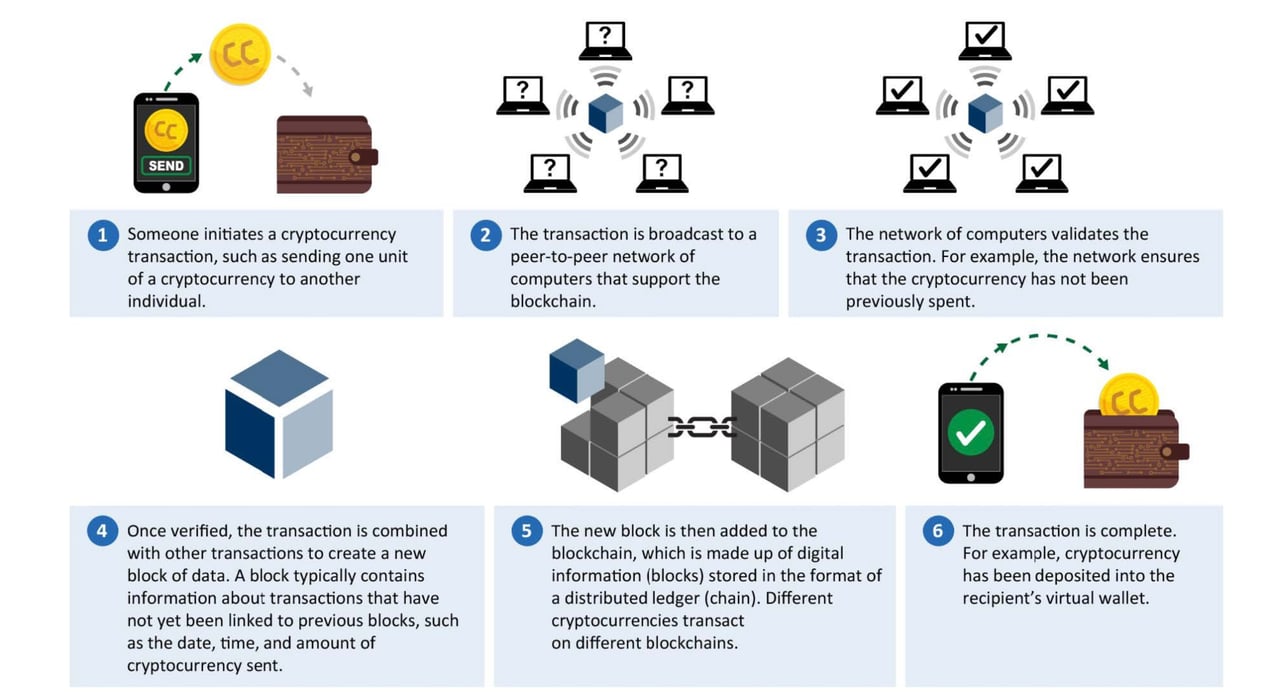
Example of how a person or company might send cryptocurrency to another person or company using blockchain technology



Next step
Request an introduction
Tell us in a few lines who you are and what you have in mind. Your enquiry goes directly to the bank and is treated in confidence.
Prefer to talk? Book a 30-minute videoconference.